
Are Ragdoll Cats Friendly? Gentle Traits You Should Know
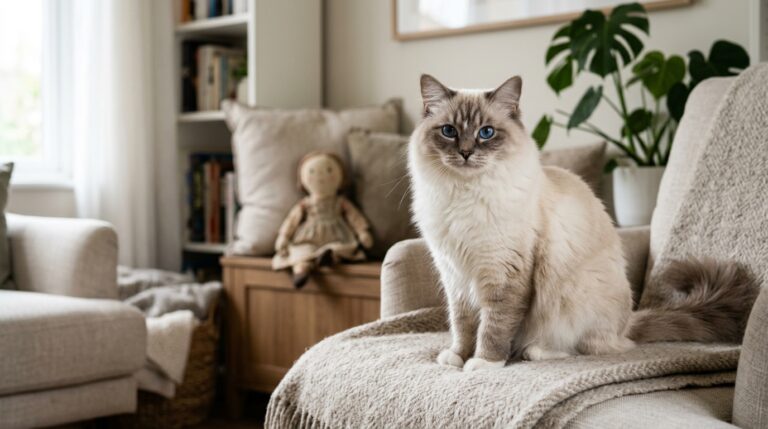
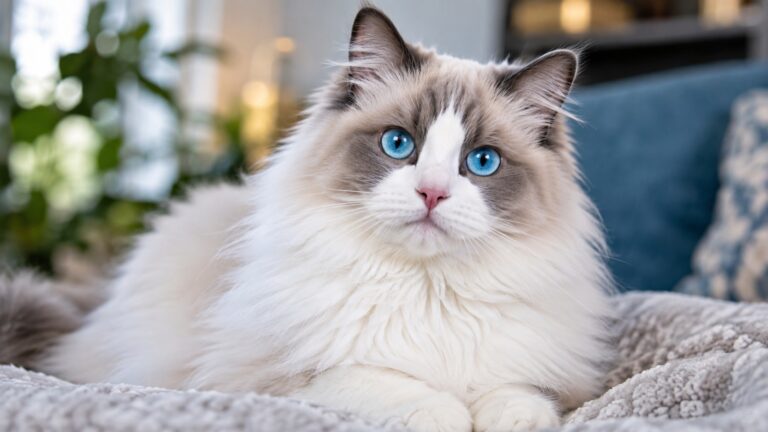
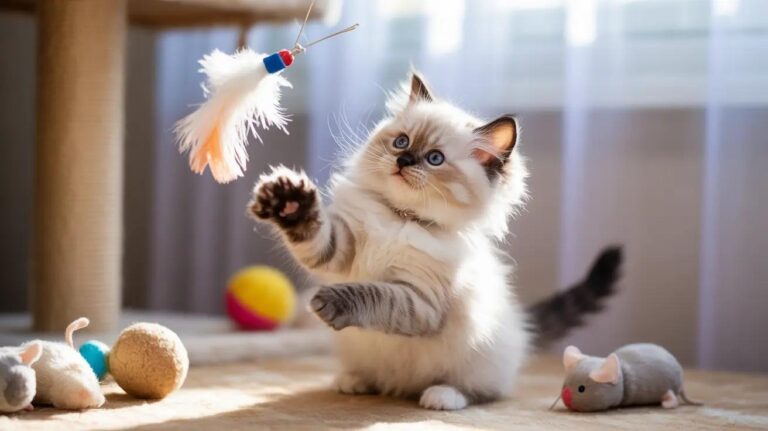
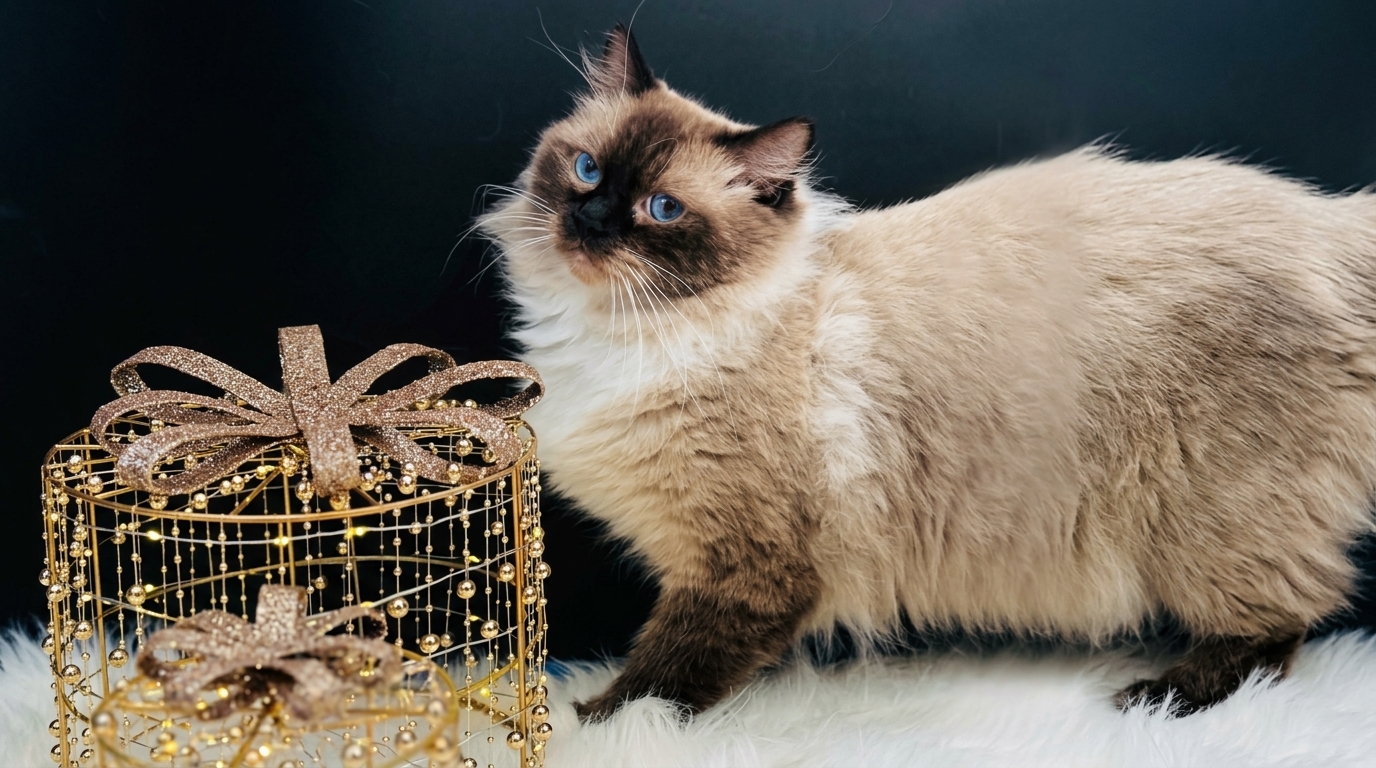
Ragdoll cats are widely recognized for their beautiful appearance, calm personalities, and affectionate nature. Their striking blue eyes, soft coats, and relaxed behavior make them one of the most popular cat breeds among people looking for a loving companion. But appearance is only one part of choosing a cat. If you are considering bringing a Ragdoll into your home, you may naturally wonder, are Ragdoll cats friendly?
In general, Ragdoll cats are known for being friendly, gentle, social, and people-oriented. They often enjoy spending time with their human companions and may follow family members around the home simply because they want to be close to them. Unlike some cats that prefer long periods of independence, many Ragdolls seem to appreciate regular interaction and companionship.
However, every cat has its own personality. Breed characteristics can tell you what you may commonly expect, but they cannot guarantee exactly how an individual cat will behave. Genetics, early socialization, environment, past experiences, health, and daily interactions can all influence a cat’s temperament.
Understanding these factors can help you decide whether a Ragdoll is suitable for your household. From their affectionate behavior to their gentle temperament, there are several reasons why this breed has earned a reputation as a wonderful companion. In this article, we will explore seven gentle traits that help explain why Ragdoll cats are generally considered friendly.
Are Ragdoll Cats Friendly?
Yes, Ragdoll cats are generally considered a friendly and affectionate breed. They are often described as calm, social, and comfortable around people. Many Ragdolls enjoy being in the same room as their owners and may seek attention through quiet companionship rather than demanding behavior.
Their friendliness can appear in different ways. Some Ragdolls enjoy sitting beside their owners, while others may follow people around the house. Some like gentle petting and cuddling, while others prefer simply relaxing nearby. Their affectionate nature is often more about companionship than constant physical contact.
One reason Ragdolls are popular as companion cats is their relatively relaxed personality. They are not typically known for being extremely aggressive or highly territorial when properly socialized. Their calm nature can make them appealing to households that want a cat that enjoys human interaction.
Still, being a friendly breed does not mean every Ragdoll will immediately trust every person. A cat may need time to become comfortable in a new home or around unfamiliar people. Respecting the cat’s boundaries is an important part of building a healthy relationship.
A Ragdoll’s friendliness should therefore be understood as a general breed tendency rather than an absolute rule. Individual cats can be shy, cautious, independent, playful, or extremely affectionate. The key is to understand the cat as an individual while recognizing the personality traits commonly associated with the breed.
Ragdoll Cats Are Usually Very Affectionate
One of the most noticeable traits of Ragdoll cats is their affectionate personality. Many Ragdolls enjoy being near the people they trust and may actively seek opportunities for gentle interaction. Their affection can become an important part of everyday life for owners who enjoy having a social pet.
A Ragdoll may show affection by sitting next to you, resting at your feet, following you between rooms, or quietly watching what you are doing. Some may greet their owners when they return home, while others may simply come closer and settle down nearby.
Their affectionate behavior is often calm rather than overwhelming. Ragdolls are not necessarily constantly demanding attention. Instead, many prefer a relaxed form of companionship in which they can remain close to their favorite people.
Physical affection can also vary from one Ragdoll to another. Some cats enjoy being stroked for long periods, while others prefer shorter interactions. Some may enjoy sitting on a lap, while others would rather lie beside you. Understanding these individual preferences can make your relationship much stronger.
Affection is also connected to trust. A Ragdoll that feels safe in its environment is more likely to relax around its owners. A comfortable cat may sleep openly, stretch out, approach people voluntarily, and show other signs of relaxation.
Because of this affectionate nature, Ragdolls can become strongly attached to their families. They often enjoy being part of household activities, even when they are not directly involved. Simply being close to their humans can be rewarding for them.
They Often Enjoy Being Around People
Ragdoll cats are commonly described as social cats that enjoy human company. This does not mean they need attention every minute of the day, but many appreciate having people nearby.
Their social personality can make them feel like a quiet companion throughout the day. They may move from one room to another as family members go about their routines. Instead of hiding for long periods, a confident Ragdoll may prefer staying where the household activity is happening.
This people-oriented behavior is one reason many owners find Ragdolls especially enjoyable. Their presence can feel more interactive than that of a highly independent cat. They may show interest in what their owners are doing and remain nearby even when no direct attention is being given.
A Ragdoll can also develop a strong relationship with the people who regularly care for it. Feeding, grooming, playing, and gentle interaction all contribute to familiarity and trust. Over time, these daily routines can strengthen the bond between the cat and its family.
Social behavior is especially influenced by early experiences. Kittens that receive gentle, appropriate handling and positive exposure to normal household activity may become more comfortable with people. However, socialization should always be gradual and respectful.
A friendly Ragdoll does not necessarily mean a cat that loves every stranger immediately. Some individuals may approach new people confidently, while others may watch from a distance until they feel safe. Both behaviors can be normal.
Ragdolls Are Known for Their Gentle Temperament
Another important reason people ask are Ragdoll cats friendly is their reputation for having a gentle temperament. Ragdolls are generally associated with calm and easygoing behavior, although individual personalities can vary.
Their gentle nature can make them appealing to families looking for a relaxed companion. They are often more comfortable with peaceful interactions than with rough handling or chaotic situations.
A gentle temperament does not mean a Ragdoll should be treated like a toy. Every cat has boundaries, and even a calm cat can become uncomfortable when it feels frightened, threatened, or overstimulated.
Learning feline body language is therefore important. Changes in ear position, tail movement, posture, vocalization, and attempts to move away can indicate that a cat needs space. Respecting these signals helps maintain trust.
Ragdolls can also become stressed when their environment changes suddenly. Moving to a new home, meeting unfamiliar animals, or experiencing excessive noise can temporarily affect their behavior. A cat that appears less social during a stressful period may simply need time to adjust.
Providing a quiet and predictable environment can encourage a Ragdoll to relax. Consistent routines, comfortable resting areas, appropriate hiding spaces, and positive interactions can all help the cat feel secure.
The gentle reputation of the breed is therefore best understood alongside responsible ownership. A friendly temperament becomes easier to see when a cat feels safe, respected, and properly cared for.
Are Ragdoll Cats Friendly With Children?
Ragdoll cats can be good companions for families with children, particularly when children understand how to interact with cats respectfully. Their generally calm and affectionate personality can make them suitable for family environments, but supervision and education remain important.
Children should learn that a cat is a living animal with its own preferences and boundaries. Pulling a tail, grabbing fur, chasing a cat, disturbing it while sleeping, or forcing it to be held can create fear and stress.
A Ragdoll that feels comfortable around children may enjoy gentle attention and companionship. However, the relationship should develop naturally. The cat should always have the option to move away when it wants privacy.
Parents can help by teaching children to approach cats calmly and allow the cat to initiate contact when possible. Gentle petting is generally preferable to rough physical play.
Young children should not be left unsupervised with a cat. Even a calm Ragdoll can react defensively if it becomes frightened or accidentally hurt. Supervision protects both the child and the animal.
A cat’s age can also influence how it interacts with children. Kittens may be energetic and curious, while adult Ragdolls may have more predictable personalities. Regardless of age, each cat should be evaluated as an individual.
When children and cats learn to respect one another, a strong relationship can develop. The cat can become a familiar companion, while children can learn valuable lessons about empathy, responsibility, and animal care.
Are Ragdoll Cats Friendly With Other Pets?
Ragdoll cats can often live successfully with other pets, especially when introductions are handled carefully. Their relatively calm and social nature may help them adjust to a multi-pet household, but compatibility depends on the personalities of all the animals involved.
Introducing two animals too quickly can create unnecessary stress. Cats generally benefit from gradual introductions that allow them to become familiar with another animal’s scent and presence before direct interaction.
A Ragdoll may live comfortably with another cat when both animals have appropriate space and resources. Separate feeding areas, resting locations, litter boxes, and safe spaces can reduce competition and stress.
Living with dogs can also be possible. The dog’s temperament and behavior are particularly important. A calm dog that respects boundaries may be easier for a cat to live with than a highly excitable dog that constantly chases or approaches the cat.
The cat should always have access to places where it can retreat. Vertical spaces, quiet rooms, cat trees, and secure resting areas can help a Ragdoll maintain a sense of safety.
Successful relationships between pets do not happen automatically. Even a friendly Ragdoll may become frightened by an unfamiliar animal. Patience is essential during the adjustment period.
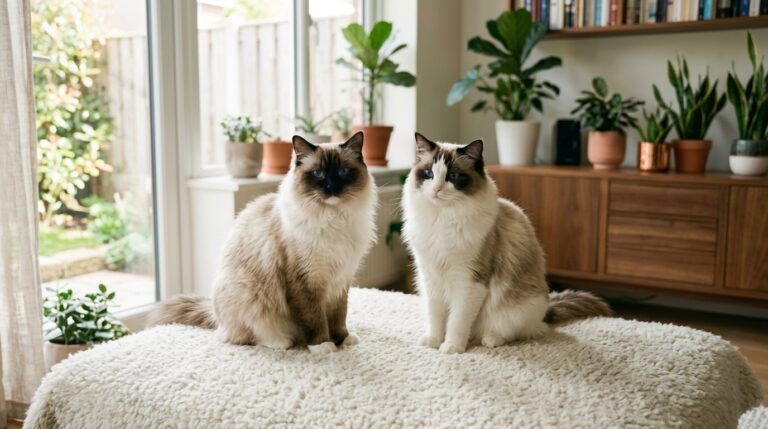
The goal should not be to force animals to become close friends. Peaceful coexistence is already a successful outcome. Over time, some pets may become strongly bonded, while others may simply learn to comfortably share the same household.
Do Ragdoll Cats Like to Be Held?
Ragdoll cats have a famous reputation for becoming relaxed when picked up, which has contributed to the breed’s name and popular image. However, it is important not to assume that every Ragdoll wants to be carried or held whenever a person chooses.
Individual preferences matter. Some Ragdolls may enjoy being held for a while, while others prefer keeping all four paws on the ground. A cat’s willingness to be carried can also change depending on its mood, age, environment, and level of trust.
When picking up a Ragdoll, proper support is important. The cat’s body should be supported securely and gently. Sudden movements or uncomfortable handling can make even a relaxed cat nervous.
A comfortable cat being held may remain relaxed, while an uncomfortable cat may struggle, stiffen, vocalize, or attempt to escape. These signals should be respected rather than ignored.
Affection does not have to involve carrying. Sitting beside the cat, gently petting it, playing with it, or allowing it to rest nearby can be equally meaningful forms of interaction.
The best approach is to let the Ragdoll communicate what it enjoys. When owners respect a cat’s preferences, the cat is more likely to associate human contact with safety and positive experiences.
Why Some Ragdoll Cats May Seem Less Friendly
Although Ragdoll cats are generally known for being friendly, some individuals may appear shy, distant, or cautious. This does not automatically mean something is wrong with the cat or that the breed is not friendly.
A new environment can be overwhelming. Moving from one home to another exposes a cat to unfamiliar smells, sounds, people, rooms, and routines. It may take time before the cat feels secure enough to behave naturally.
Early socialization can also influence behavior. Cats that have had limited positive interaction with people may need additional patience. Their cautious behavior may reflect uncertainty rather than aggression.
Past experiences can matter as well. A cat that has experienced frightening handling or stressful environments may take longer to trust people. Building confidence requires consistency and gentle treatment.
Health problems can sometimes affect behavior too. A cat that suddenly becomes withdrawn, irritable, or unusually aggressive should be evaluated by a veterinarian because behavioral changes can sometimes be associated with discomfort or illness.
Environmental stress can also affect social behavior. Excessive noise, conflict with other animals, lack of safe spaces, or major changes in routine may cause a normally social cat to withdraw.
The best response is patience. Give the cat time, provide safe spaces, maintain a predictable routine, and allow interaction to happen at the cat’s pace. Trust usually develops through repeated positive experiences.
How to Make a Ragdoll Cat More Social
Building a strong relationship with a Ragdoll starts with creating a safe and comfortable environment. A cat is more likely to become social when it feels secure in its surroundings.
Gentle interaction is one of the most effective ways to develop trust. Avoid forcing the cat to interact. Instead, allow it to approach you and reward calm behavior with appropriate attention.
Play can also strengthen the relationship. Interactive toys provide an opportunity for physical activity while creating positive interaction between the cat and its owner.
A consistent daily routine can make a significant difference. Cats often feel more comfortable when feeding, playtime, grooming, and rest happen within a predictable structure.
Positive reinforcement can encourage desirable social behavior. Calm praise, gentle attention, and appropriate rewards can help the cat associate human interaction with positive experiences.
It is equally important to respect moments when the cat wants to be alone. Giving a Ragdoll space does not weaken the relationship. In many cases, respecting boundaries actually strengthens trust.
Grooming can also become a bonding activity when introduced carefully. Ragdolls have semi-long coats that require regular care, so helping the cat become comfortable with gentle grooming can benefit both its coat and the human-animal relationship.
Signs Your Ragdoll Cat Is Comfortable With You
Understanding body language can help owners determine whether their Ragdoll feels safe and comfortable. A relaxed cat often displays an open and peaceful posture rather than keeping its body tense.
A Ragdoll that chooses to rest near you is often showing that it feels comfortable in your presence. Sleeping is a vulnerable activity for cats, so choosing a nearby resting location can indicate a sense of security.
Slow blinking can also be a relaxed social signal. When a cat calmly looks at you and slowly closes its eyes, it may be displaying a peaceful interaction.
Purring can occur during positive interactions, although purring does not always mean happiness. Context is important. A relaxed posture combined with purring, gentle behavior, and willingness to remain nearby is more informative than any single signal.
Following you around the home may also indicate social attachment. Some Ragdolls enjoy being involved in household activity and may move from room to room simply to stay near their owners.
A cat that approaches voluntarily is generally more comfortable than one that is repeatedly forced into interaction. Allowing the Ragdoll to choose when to approach can help build a stronger relationship.
Are Ragdoll Cats Good Family Pets?
Ragdoll cats can be wonderful family companions for households that understand their needs and personality. Their affectionate, social, and generally calm nature can make them appealing to people who want an interactive companion.
However, owning a Ragdoll involves more than enjoying its beautiful appearance. These cats require proper nutrition, veterinary care, grooming, enrichment, clean litter facilities, and regular attention.
Their long, soft coat needs routine grooming to reduce tangles and mats. Regular grooming also gives owners an opportunity to monitor the cat’s skin, coat, and overall condition.
Ragdolls can also benefit from mental and physical stimulation. Toys, scratching posts, climbing areas, and interactive play can help keep them active and engaged.
Because they often enjoy companionship, owners should consider how much social interaction they can provide. A cat that strongly prefers human company may not thrive in an environment where it is routinely ignored for long periods.
A peaceful household can be especially suitable for a Ragdoll. While they can adapt to many environments, having predictable routines and safe spaces can make daily life easier for them.
Ultimately, the best family pet is not determined by breed alone. The individual cat, household environment, owner’s expectations, and quality of care all influence whether the relationship will be successful.
Ragdoll Cats and Their Relationship With Their Owners
One of the most appealing characteristics of Ragdoll cats is the bond they can develop with their owners. Their social nature often means they enjoy being part of everyday household life.
A Ragdoll may not demand constant attention, but it may show a preference for staying close. This quiet companionship can be particularly enjoyable for people who want a pet that is present without always being highly energetic.
Over time, the cat can become familiar with household routines, voices, smells, and daily patterns. Familiarity can increase confidence and strengthen the relationship.
Trust develops through consistency. Feeding the cat on a regular schedule, providing appropriate care, playing gently, and respecting its boundaries all contribute to a positive relationship.
The strongest bond usually develops when the owner learns to understand the cat’s individual personality. Some Ragdolls are highly affectionate, while others are more reserved. Some are playful, while others prefer long periods of relaxation.
Instead of expecting a particular personality, owners can appreciate the unique characteristics of their own cat. This approach allows the relationship to develop naturally.
Can Ragdoll Cats Become Attached to One Person?
Ragdoll cats can form strong relationships with particular people, although their social preferences vary. Some may appear especially attached to one household member, while others may interact comfortably with everyone in the family.
A cat may develop a preference based on the amount and type of interaction it receives. Someone who regularly feeds, plays with, grooms, and calmly interacts with the cat may become especially familiar.
This does not necessarily mean the cat dislikes other family members. A Ragdoll can still be social with multiple people while showing a stronger preference for one person.
Attachment can also change over time. A cat’s behavior may evolve as its environment and daily routines change.
Providing positive experiences to every household member can encourage broader socialization. Everyone should interact gently and consistently rather than competing for the cat’s attention.
Are Ragdoll Cats Friendly to Strangers?
Many Ragdoll cats can become comfortable around visitors, but their response to strangers varies from one individual to another. A confident cat may approach unfamiliar people, while a cautious cat may observe from a safe distance.
There is no need to force a shy Ragdoll to greet visitors. Allowing the cat to decide when to approach can prevent unnecessary stress.
Visitors should also avoid chasing or grabbing the cat. Quiet behavior and gentle interaction are usually more appropriate.
As the cat becomes familiar with regular visitors, it may gradually become more confident. Positive experiences can help a Ragdoll learn that unfamiliar people are not necessarily a threat.
A cat’s reaction to strangers should therefore be interpreted in context. Being cautious does not mean a Ragdoll is unfriendly. It can simply be part of an individual’s personality.
What Makes Ragdoll Cats Different From Very Independent Cats?
Ragdoll cats are often chosen by people who want a companion that enjoys human interaction. Their social tendencies can make them different from cats that prefer spending most of their time alone.
An independent cat may be perfectly happy relaxing in a separate area for much of the day. A Ragdoll may instead prefer staying in the same room as its owner.
This does not mean Ragdolls lack independence. They still need personal space and should not be expected to remain physically close all the time.
Their combination of calmness and social behavior is part of their appeal. They can enjoy quiet time while still appreciating companionship.
For prospective owners, understanding this personality pattern is important. A Ragdoll may be particularly suitable for someone who enjoys interacting with their pet and wants a cat that participates in household life.
Do Ragdoll Cats Need a Lot of Attention?
Ragdolls generally benefit from regular social interaction, but the amount of attention needed varies by individual. Some cats actively seek companionship, while others are content with shorter periods of interaction.
Quality matters as much as quantity. Playtime, gentle petting, grooming, and simply spending time in the same room can all provide valuable social contact.
Cats also need periods of uninterrupted rest. Even affectionate Ragdolls should have comfortable places where they can sleep and relax without being disturbed.
Owners should watch for changes in behavior. A cat that suddenly seeks excessive attention or suddenly withdraws may be communicating that something has changed.
Maintaining a balanced routine can help the cat feel secure. Regular interaction combined with opportunities for independent rest creates a healthier environment.
For reliable information about Ragdoll cats, their temperament, care requirements, and breed characteristics, readers can visit the Cat Fanciers’ Association. The organization provides detailed information about the Ragdoll breed, including its personality, physical characteristics, and general care considerations. Learning from established cat-breed resources can help prospective owners better understand what to expect before bringing a Ragdoll cat into their home.
The Importance of Socialization
Socialization is an important part of developing a confident cat. Positive experiences with people, household sounds, gentle handling, and appropriate environments can help a kitten become more comfortable with everyday life.
Socialization should never involve overwhelming a cat. Gradual exposure is generally more appropriate than forcing the animal into situations it finds frightening.
The goal is to create positive associations. When a cat experiences new situations while feeling safe, it can gradually become more confident.
Adult cats can also develop trust, although the process may take time. Patience and consistency remain important regardless of age.
A well-socialized Ragdoll may be more comfortable interacting with family members and adapting to normal household activity. Nevertheless, individual temperament always remains important.
FAQ
Are Ragdoll cats friendly?
Ragdoll cats are generally known for being friendly, affectionate, calm, and social. Many enjoy spending time with their owners and may seek companionship throughout the day. However, individual personalities vary, so some Ragdolls may be more reserved than others.
Are Ragdoll cats good with children?
Ragdoll cats can be suitable for families with children when interactions are gentle and supervised. Children should learn to respect the cat’s boundaries and avoid rough handling, chasing, or disturbing the cat while it is resting.
Are Ragdoll cats friendly with dogs?
Ragdoll cats can live peacefully with dogs when introductions are gradual and both animals are given appropriate space. A calm dog that respects the cat’s boundaries can make adjustment easier.
Do Ragdoll cats like cuddling?
Many Ragdoll cats enjoy close contact and affection, but not every individual enjoys being cuddled or carried. Owners should pay attention to body language and allow the cat to choose how much physical contact it wants.
Are Ragdoll cats affectionate?
Yes, Ragdolls are generally considered an affectionate breed. They may show affection by sitting nearby, following their owners, seeking gentle attention, or relaxing in the same room.
Are Ragdoll cats friendly with strangers?
Some Ragdolls are comfortable around unfamiliar people, while others may be cautious at first. A shy cat should not be forced to interact with visitors. Giving it time and space can help it become more comfortable.
Can Ragdoll cats be aggressive?
Ragdolls are not generally known for aggressive behavior, but any cat can react defensively when frightened, stressed, uncomfortable, or in pain. Sudden behavioral changes should be taken seriously and discussed with a veterinarian when appropriate.
Do Ragdoll cats need a lot of attention?
Ragdolls generally appreciate regular companionship and interaction, although individual needs vary. They benefit from play, affection, grooming, and mental stimulation while also needing quiet spaces for rest.
Do Ragdoll cats get attached to their owners?
Ragdolls can form strong bonds with their owners. Their social nature means they may enjoy staying near familiar people and participating in household routines. The strength and style of attachment varies between individual cats.
Are Ragdoll cats easy to socialize?
Ragdolls are often considered social by temperament, but early positive experiences still matter. Gentle handling, gradual exposure to household activity, and respectful interaction can help a Ragdoll become confident and comfortable around people.
Final Thoughts
So, are Ragdoll cats friendly? In general, yes. Ragdolls are widely known for their affectionate, gentle, calm, and social personality. Many enjoy human companionship and may form strong bonds with the people who care for them.
Their friendly reputation comes from several traits. They often enjoy being around people, can show affection through quiet companionship, are generally associated with a gentle temperament, and may adapt well to families and other pets when properly introduced.
At the same time, no breed guarantees a particular personality. Each Ragdoll is an individual, and factors such as genetics, socialization, environment, past experiences, and health can influence behavior.
The best way to build a relationship with a Ragdoll is to provide consistent care, gentle interaction, appropriate stimulation, and plenty of respect for its boundaries. A cat that feels safe and understood is more likely to develop confidence and trust.
If you are considering a Ragdoll cat as a companion, its friendly reputation is certainly an important characteristic to consider. But it should be considered alongside grooming requirements, veterinary care, nutrition, enrichment, living environment, and the amount of companionship you can provide.
Ultimately, the beauty of a Ragdoll is not limited to its luxurious coat and striking blue eyes. For many owners, the breed’s calm presence and affectionate personality are what make life with these cats so rewarding.