Are Ragdoll Cats Hypoallergenic? Discover the Truth About Allergies, Shedding & Living Comfortably With Ragdolls
If you have ever spent time around a Ragdoll cat, you probably understand why this breed has become such a popular choice for families and cat lovers. Ragdolls are known for their beautiful blue eyes, soft coats, relaxed personalities, and affectionate nature. Their calm behavior makes them wonderful companions, but there is one important question many potential owners ask before bringing one home: are Ragdoll cats hypoallergenic?
The answer is not quite as simple as looking at their long, silky fur. Ragdoll cats are not considered a truly hypoallergenic breed. Like other cats, they can produce allergens that may cause reactions in sensitive people. However, allergy symptoms can vary considerably from one person to another, and some people may find that they can live comfortably with a particular Ragdoll when they follow good grooming and cleaning habits.
Understanding how cat allergies work can help you make a more informed decision. Ragdolls have a distinctive coat and specific grooming requirements, and their shedding can influence how allergens move around your home. Fortunately, there are practical ways to reduce the amount of loose hair and allergen-containing material in your living space.
Are Ragdoll Cats Hypoallergenic?
Ragdoll cats are not considered hypoallergenic cats. Although their coat may look different from the coats of many other breeds, Ragdolls still produce proteins that can trigger allergic reactions in susceptible people.
The term “hypoallergenic” is often misunderstood. It does not mean completely allergen-free. In everyday language, a hypoallergenic animal is generally understood to produce fewer allergens or be less likely to trigger an allergic response. However, no cat breed can guarantee an allergy-free experience.
One of the most important cat allergens is a protein called Fel d 1. Cats naturally produce this protein, and it can be found in substances such as saliva and skin secretions. When cats groom themselves, saliva containing allergens can get onto their fur. As the saliva dries, allergen-containing particles can become part of household dust and spread to furniture, clothing, carpets, and other surfaces.
Ragdolls produce Fel d 1 just like other cats. Therefore, having a Ragdoll does not automatically eliminate the possibility of allergies.
At the same time, every person reacts differently to cats. Someone who experiences noticeable symptoms around one cat may have a different reaction around another. This is one reason it is useful to spend time with the specific Ragdoll you are considering before making a long-term commitment.
Why Do People Think Ragdoll Cats Are Hypoallergenic?
The confusion often comes from the Ragdoll’s coat and personality. Their fur is soft, silky, and relatively easy to handle compared with the dense, heavily undercoated coats found in some other long-haired breeds.
Ragdolls also have a reputation for being relatively easygoing. Their gentle behavior can make grooming and regular handling easier for owners. However, a calm temperament does not mean a cat produces fewer allergens.
Another reason people may assume Ragdolls are hypoallergenic is that their coat does not always appear as fluffy as some other long-haired breeds. A cat’s visible coat, however, is not a reliable way to determine how many allergens it produces.
The key point is that fur length is not the same thing as allergen production. Allergies are primarily related to proteins rather than simply the amount of fur a cat has.
What Actually Causes Cat Allergies?
Cat allergies are usually caused by an immune system response to specific proteins associated with cats. Fel d 1 is the best-known cat allergen, although other proteins can also contribute to allergic reactions.
When a sensitive person encounters these allergens, their immune system may respond as though the substance is harmful. This can result in symptoms such as sneezing, a runny or stuffy nose, itchy eyes, coughing, or skin irritation.
The allergens can move through the environment in several ways. A cat may leave allergen-containing material on furniture, bedding, carpets, clothing, and other surfaces. Household activities can then disturb these particles and put them back into the air.
This is why someone may experience allergy symptoms even when the cat is not sitting directly beside them.
The Role of Fel d 1 Protein
Fel d 1 is an important part of the discussion surrounding cat allergies. Cats naturally produce this protein, and it is associated with several bodily secretions.
Saliva is particularly relevant because cats spend considerable time grooming themselves. During grooming, saliva is transferred to the coat. Once the saliva dries, allergen-containing material can become distributed around the home.
Fel d 1 is not something that can simply be removed from a cat permanently. It is a natural part of feline biology. This means that people with cat allergies need to think about overall exposure rather than looking for a completely allergen-free cat.
Is Cat Fur Actually the Main Problem?
Cat fur itself is not usually the main allergen. Instead, fur can act as a carrier for allergens.
When a cat grooms itself, allergens can become attached to the coat. Loose hairs can then fall onto furniture, floors, clothing, and bedding. Dander and other tiny particles can also become part of household dust.
This distinction is important because shaving a cat or choosing a short-haired cat does not automatically solve an allergy problem.
Managing allergens is more about reducing exposure than simply removing fur.
Do Ragdoll Cats Shed a Lot?
Ragdoll cats have semi-long coats that require regular care. They can shed throughout the year, with shedding often becoming more noticeable during seasonal changes.
Every Ragdoll is an individual, so the amount of shedding can vary. Some may leave relatively little visible hair around the home, while others may shed more noticeably.
Regular brushing can help collect loose hairs before they end up on your furniture and floors. It can also help keep the coat free from tangles and mats.
Although grooming can reduce loose hair, it does not make a Ragdoll hypoallergenic. Allergens can still be present even when the coat looks clean and well maintained.
Seasonal Shedding and Allergies
Many cats experience changes in shedding depending on environmental conditions and seasonal cycles. During periods of increased shedding, you may notice more hair on bedding, carpets, furniture, and clothing.
For an allergy-sensitive household, these periods can require a little more cleaning.
Brushing the cat consistently and cleaning commonly used surfaces can help control the amount of loose hair throughout the home. A routine is usually easier to maintain than waiting until visible hair becomes a major problem.
Why Some Allergy-Sensitive People May Tolerate Certain Ragdolls
Allergies are highly individual. Two people living in the same home may have very different reactions to the same cat.
There can also be differences between individual cats. Factors such as allergen levels, grooming behavior, shedding patterns, and the person’s sensitivity can all influence the experience.
This does not mean that one Ragdoll is guaranteed to be hypoallergenic. Instead, it means that the severity of someone’s reaction cannot always be predicted simply from the breed name.
If you are considering adopting or purchasing a Ragdoll and have known cat allergies, spending time with the specific cat can provide useful information about your personal reaction.
Ragdoll Cat Grooming and Allergy Management
Grooming is an important part of Ragdoll ownership regardless of allergies. Their beautiful semi-long coat benefits from regular attention, and consistent grooming can help control loose hair.
For an allergy-sensitive household, grooming can also become part of a broader allergen-management routine.
Brush Your Ragdoll Regularly
Regular brushing helps remove loose hair before it spreads around the house. It can also reduce the likelihood of tangles and mats.
A grooming routine should be gentle and comfortable for the cat. Many Ragdolls can become accustomed to brushing when it is introduced gradually and handled positively.
If you are particularly sensitive to cat allergens, another household member may be able to handle grooming. Grooming outdoors or in an easy-to-clean area can also reduce the amount of loose hair that remains inside the main living spaces.
Keep Bedding and Favorite Areas Clean
Ragdolls often develop favorite sleeping locations. These may include cat beds, blankets, sofas, or other soft surfaces.
Washable bedding can be cleaned regularly to reduce the accumulation of hair and allergen-containing material. Furniture and other surfaces should also be cleaned as part of the household routine.
Keeping the cat’s favorite areas clean is especially useful because these are places where hair and dander can accumulate over time.
Improve Indoor Air Quality
Good ventilation and regular cleaning can help reduce airborne particles. Some households also choose air filtration systems designed to capture fine particles.
An air purifier does not make a home allergen-free, but it can be one part of a broader approach to reducing exposure.
Vacuuming, dusting, and washing fabrics remain important because allergens can settle on surfaces.
Can People With Cat Allergies Live With a Ragdoll?
Some people with cat allergies may be able to live with a Ragdoll, while others may find that their symptoms make living with a cat difficult.
There is no universal answer because allergy sensitivity differs significantly between individuals.
If you have experienced mild reactions to cats in the past, you may want to spend time with a Ragdoll before deciding. Pay attention to how you feel during and after the interaction rather than assuming that the breed will automatically be suitable.
For people with significant or persistent allergic symptoms, discussing the situation with a qualified healthcare professional or allergy specialist can provide more personalized guidance.
Ragdoll Cats Compared With Other Cat Breeds
People sometimes search for Ragdolls alongside breeds marketed as “hypoallergenic.” However, it is important to understand what that label actually means.
Some breeds may be promoted as more suitable for allergy-sensitive people, but no cat breed can promise a completely allergy-free environment.
Differences in coat type, grooming requirements, shedding, and individual allergen production can affect the experience. However, these differences should not be interpreted as a guarantee.
Instead of focusing only on breed labels, prospective owners should consider their own allergy history, the specific cat, their home environment, and their ability to maintain regular cleaning and grooming.
Are Ragdoll Kittens Hypoallergenic?
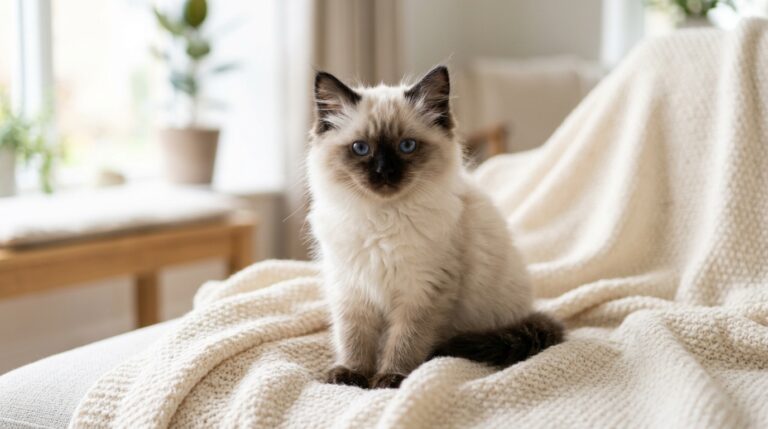
Ragdoll kittens are not automatically hypoallergenic.
A kitten may have a smaller body and a different-looking coat compared with an adult cat, but it can still produce allergens. As the kitten grows, its coat and grooming habits will also change.
People with allergies should therefore avoid assuming that choosing a kitten eliminates the allergy concern.
Spending time with the kitten and considering your individual reaction can provide more useful information than relying solely on the breed’s reputation.
How to Reduce Allergens When Living With a Ragdoll
If you decide to live with a Ragdoll despite mild cat allergies, consistent household habits can make a difference.
Regular cleaning should focus on areas where the cat spends the most time. Carpets, upholstered furniture, bedding, and other fabric surfaces can collect hair and allergen-containing particles.
Vacuum Frequently
Vacuuming can help remove loose hair and settled particles from floors and furniture.
If possible, pay particular attention to the areas where your Ragdoll sleeps, plays, and spends a large portion of the day.
Wash Fabrics Regularly
Cat bedding, blankets, cushion covers, and other washable materials should be cleaned regularly.
Fabric surfaces can collect hair and dander, so keeping them clean can help reduce accumulated allergens.
Wash Your Hands After Handling Your Cat
Washing your hands after petting or grooming a Ragdoll is a simple habit that can reduce the transfer of allergens to your face and other surfaces.
This can be particularly helpful before eating or touching your eyes.
Keep the Bedroom as Low-Allergen as Practical
For someone who experiences cat allergies, limiting exposure in the bedroom may be worth considering.
Because people spend many hours sleeping, keeping bedding and sleeping surfaces clean can be an important part of an overall allergen-management routine.
Maintain a Consistent Grooming Schedule
Regular grooming helps control loose fur and keeps the Ragdoll’s coat healthy.
Consistency matters more than occasional intensive grooming. A manageable routine is easier to maintain over the long term.
Signs You May Be Allergic to a Ragdoll Cat
People with cat allergies can experience a range of symptoms. Common reactions may include sneezing, nasal congestion, a runny nose, itchy or watery eyes, coughing, or skin irritation after contact.
Some people notice symptoms quickly, while others may experience problems after spending more time in an environment where cat allergens have accumulated.
For a deeper understanding of cat allergies and common allergy triggers, readers can explore reliable information from the American College of Allergy, Asthma & Immunology. Learning how pet allergens affect sensitive individuals can make it easier to create a comfortable environment when living with a Ragdoll cat. This type of trusted resource can also provide helpful background information about symptoms, exposure, and practical ways to manage pet-related allergies.
It is important not to assume that every symptom around a cat is necessarily caused by an allergy. Other environmental factors can produce similar reactions.
If symptoms are frequent, severe, or interfering with everyday life, a healthcare professional can help determine what may be causing them.
What Should You Consider Before Bringing Home a Ragdoll?
Choosing a cat is a long-term responsibility, so allergy concerns are worth considering before bringing a new companion home.
Spend Time With the Specific Cat
If possible, interact with the particular Ragdoll you are considering. Breed-level information cannot predict exactly how your body will respond to one individual animal.
Think About Your Home Environment
Consider whether you have enough time for regular grooming, cleaning, vacuuming, and washing bedding.
A Ragdoll’s beautiful coat requires ongoing care, and allergy management may require additional household routines.
Consider Who Will Handle Grooming
If you are sensitive to allergens, another family member may be able to take responsibility for brushing and some cleaning tasks.
Planning these responsibilities can make everyday life easier.
Understand the Long-Term Commitment
Ragdolls are not simply decorative pets. They need appropriate food, veterinary care, enrichment, attention, grooming, and a safe home environment.
Allergy considerations should therefore be part of a larger decision about whether the breed is appropriate for your household.
Are Ragdoll Cats Good Family Pets?
Ragdolls are widely appreciated for their affectionate and generally relaxed nature. Their soft appearance and friendly personalities have made them popular among cat lovers.
However, every cat has its own personality. Some may be highly social, while others may prefer more personal space.
Families should consider the needs of everyone in the household before bringing home any pet. This includes allergies, living arrangements, time commitments, and the ability to provide consistent care.
For households that can comfortably manage these responsibilities, a Ragdoll can become a cherished companion.
Common Myths About Ragdoll Cats and Allergies
There are several common misconceptions about Ragdolls and allergies.
One myth is that their long fur makes them more allergenic simply because they have more visible hair. Fur length alone does not determine whether someone will experience an allergic reaction.
Another misconception is that regular bathing can completely remove allergens. Cleaning the coat may temporarily remove some allergen-containing material, but cats naturally continue producing allergen-associated proteins.
Some people also believe that kittens cannot cause allergies. This is not reliable because kittens can still produce allergens.
Perhaps the biggest myth is that a “hypoallergenic” label guarantees an allergy-free experience. It does not.
Understanding these facts can help prospective owners make decisions based on realistic expectations.
How Grooming Benefits a Ragdoll’s Overall Health
Grooming is not only useful for managing loose hair. It is also an important part of maintaining a Ragdoll’s coat and allowing owners to notice changes in the cat’s skin or fur.
Regular brushing can help prevent severe tangles and mats. It also provides an opportunity to check the coat for unusual changes.
Because Ragdolls have semi-long hair, neglecting grooming can eventually lead to uncomfortable matting.
A calm, gradual grooming routine can make the process more enjoyable for both the cat and owner.
Creating an Allergy-Aware Ragdoll Home
An allergy-aware home does not need to feel uncomfortable or overly complicated. The goal is to create simple routines that reduce unnecessary allergen accumulation.
Start with the areas your Ragdoll uses most frequently. Keep bedding washable, vacuum regularly, and avoid allowing hair to build up on upholstered furniture.
Grooming should also be consistent. If one person in the household experiences allergies, another family member may be able to handle brushing and other close-contact grooming activities.
Air circulation, regular surface cleaning, and sensible household organization can all contribute to a cleaner environment.
The most effective approach is usually a combination of small habits rather than relying on one product or technique.
FAQs
Are Ragdoll cats hypoallergenic?
No. Ragdoll cats are not considered a truly hypoallergenic breed. They produce allergens, including Fel d 1, which can cause reactions in sensitive people.
Do Ragdoll cats produce Fel d 1?
Yes. Ragdolls produce Fel d 1 like other cats. The amount and the way allergens are distributed can vary between individual cats.
Do Ragdoll cats shed a lot?
Ragdolls have semi-long coats and can shed throughout the year. Shedding may become more noticeable during certain seasonal periods.
Are Ragdoll kittens better for people with allergies?
Not necessarily. Ragdoll kittens can still produce allergens, so being a kitten does not make a cat hypoallergenic.
Can grooming reduce Ragdoll cat allergens?
Regular grooming can help manage loose hair and reduce the amount of hair that accumulates around the home. However, grooming does not eliminate the allergens naturally produced by the cat.
What is the best way to reduce cat allergens at home?
A combination of regular grooming, vacuuming, washing bedding, cleaning furniture, washing hands after handling the cat, and maintaining good indoor air quality can help reduce exposure.
Can someone with mild cat allergies own a Ragdoll?
Some people with mild allergies may be able to live with a Ragdoll, but individual reactions vary. Spending time with the specific cat before making a long-term commitment can be helpful.
Does long Ragdoll fur cause allergies?
The fur itself is generally not the primary cause of cat allergies. Instead, fur can carry allergen-containing material such as dried saliva and dander.
Does bathing a Ragdoll make it hypoallergenic?
No. Bathing does not make a Ragdoll hypoallergenic. Cats naturally continue producing allergen-associated proteins.
Should I avoid Ragdolls if I have cat allergies?
There is no single answer for everyone. The severity of your allergies, your reaction to the individual cat, and your ability to manage exposure all matter. If allergies are significant, professional medical advice can help you assess your options.
Final Thoughts
Ragdoll cats are beautiful, affectionate, and gentle companions, but they should not be considered a truly hypoallergenic breed. Like other cats, Ragdolls produce allergens, including Fel d 1, and these allergens can become distributed throughout the home through grooming, fur, dander, and everyday contact. Their soft, semi-long coats can also shed, making regular grooming and household cleaning important parts of responsible ownership.
The good news is that understanding allergies can help potential Ragdoll owners prepare their homes and establish practical routines. Regular brushing, frequent vacuuming, washing bedding, cleaning favorite sleeping areas, and maintaining good indoor air quality can all help reduce allergen exposure. Spending time with a specific Ragdoll before bringing the cat home can also provide valuable insight into your personal reaction.
Ultimately, the question “are Ragdoll cats hypoallergenic?” has a clear answer: no, not in the true sense. However, allergy experiences differ from person to person. With realistic expectations, thoughtful preparation, and appropriate professional guidance when needed, prospective owners can better understand whether living with a Ragdoll fits their household and lifestyle.