What Do Ragdoll Cats Eat? Healthy Diet & Feeding Guide
Ragdoll cats are known for their gentle personalities, beautiful blue eyes, soft coats, and large bodies. Because they are a large and relatively slow-maturing breed, proper nutrition plays an important role throughout their lives. Understanding what Ragdoll cats eat can help owners provide meals that support healthy growth, strong muscles, a beautiful coat, good digestion, and an appropriate body weight. A balanced diet is one of the most important parts of responsible Ragdoll ownership because the food a cat receives affects its energy, development, hydration, and long-term well-being.
Ragdolls have many of the same basic nutritional requirements as other domestic cats because they are obligate carnivores. This means their bodies are adapted to obtaining important nutrients primarily from animal-based foods. Their diet needs adequate high-quality protein, essential amino acids, fats, vitamins, minerals, and water. The right food should provide complete and balanced nutrition rather than simply filling the cat’s stomach. Choosing food based on nutritional quality, life stage, activity level, and individual needs is more important than choosing food simply because it is marketed specifically for Ragdolls.
What Do Ragdoll Cats Eat?
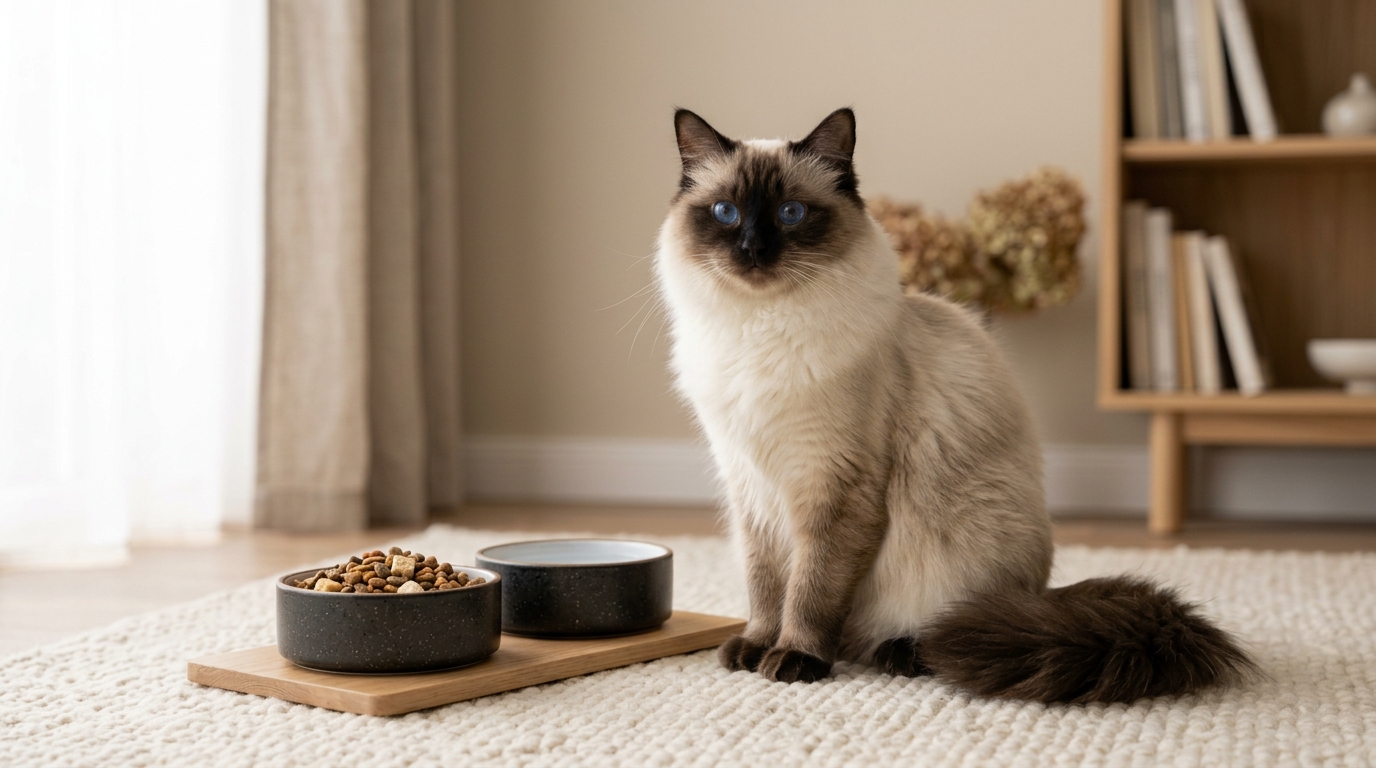
When considering what do Ragdoll cats eat, the foundation should be a complete and balanced cat food formulated for the cat’s particular life stage. Ragdoll cats can generally eat high-quality commercial wet food, dry food, or a combination of both when the products provide appropriate nutrition. The primary focus should be on foods that supply sufficient animal-based protein and the essential nutrients cats cannot produce on their own in adequate amounts.
Protein is especially important because it helps maintain muscle tissue and supports many essential functions throughout the body. Ragdolls are a large breed, and maintaining healthy muscle is important for supporting their substantial body structure. Their diet should therefore provide an appropriate amount of high-quality protein rather than relying heavily on ingredients that do not meet their biological nutritional needs.
Fats also have an important role in a Ragdoll cat’s diet. Dietary fats provide concentrated energy and help the body absorb certain fat-soluble vitamins. They also contribute to healthy skin and coat condition. However, calories from fat need to be balanced with the cat’s overall energy requirements because excessive calorie intake can contribute to unwanted weight gain.
Carbohydrates can be present in commercial cat foods, but cats do not have the same dietary dependence on carbohydrates that humans do. The overall nutritional profile of the food matters more than focusing on a single ingredient. A properly formulated cat food should deliver the nutrients required by the cat in appropriate proportions.
What Nutrients Do Ragdoll Cats Need?
A healthy Ragdoll diet needs more than protein alone. Cats require a combination of essential nutrients to support their muscles, organs, immune system, nervous system, skin, coat, and overall metabolism. Protein provides amino acids, including taurine, which is an essential nutrient for cats. Taurine is particularly important for normal heart and eye function.
Animal-based protein contains amino acids that cats require for normal biological processes. Since cats are obligate carnivores, their nutritional physiology differs from that of humans and many other animals. A food designed specifically for cats is generally a safer way to ensure that the required nutrients are provided in appropriate amounts.
Essential fatty acids are another important component of a balanced diet. They contribute to skin health and coat quality while also supporting other normal body functions. Ragdolls have medium-to-long coats, so maintaining good nutrition can contribute to a healthy and attractive coat. However, coat quality is influenced by many factors, including genetics, grooming, hydration, and general health.
Vitamins and minerals are also necessary in carefully balanced amounts. Calcium and phosphorus are important for bones and teeth, while other minerals support muscle function, nerve activity, and numerous metabolic processes. Both deficiencies and excessive supplementation can be problematic, which is why owners should avoid adding supplements without a clear reason and appropriate professional guidance.
Water is equally important. Hydration supports normal kidney function, digestion, circulation, temperature regulation, and other essential processes. Cats can have relatively low thirst drives compared with some animals, making moisture-rich food useful for increasing daily water intake.
What Food Is Best for Ragdoll Cats?
The best food for a Ragdoll cat is not necessarily the most expensive food or a product with the word “Ragdoll” prominently displayed on its packaging. Instead, the food should be nutritionally complete and balanced for the cat’s life stage and appropriate for its individual needs. Ingredient quality, nutritional adequacy, calorie density, digestibility, and the cat’s response to the food all matter.
Wet food can be an excellent part of a Ragdoll’s diet because it contains a high percentage of moisture. This can help increase water consumption and may be particularly useful for cats that do not drink much from a water bowl. Wet food also tends to have a texture and aroma that many cats find appealing.
Dry food is convenient, easy to measure, and can be stored for longer periods after opening. It can also be useful for owners who need a practical feeding routine. However, dry food contains considerably less moisture than canned or pouch food, so cats eating primarily dry food should always have access to fresh water.
A combination of wet and dry food can provide practical benefits while increasing dietary variety. The important point is to account for the calories provided by both foods so that the cat does not unintentionally consume more energy than it needs.
What Do Ragdoll Kittens Eat?
Ragdoll kittens have different nutritional needs from mature cats because they are growing rapidly. During kittenhood, the body requires sufficient energy, protein, vitamins, minerals, and other nutrients to support developing bones, muscles, organs, and tissues. A food specifically formulated for kittens is generally appropriate because it is designed around the nutritional requirements of growth.
Ragdolls are known for developing more slowly than many smaller cat breeds, and they can continue maturing for several years. This does not mean that a kitten should simply be fed unrestricted amounts of food. Controlled nutrition remains important because excessive calorie intake can lead to excessive body fat.
Young kittens generally need more frequent meals than adult cats because their stomachs are smaller and their energy requirements are high relative to their body size. As they grow, their feeding schedule can gradually become less frequent depending on their age, appetite, health, and veterinary recommendations.
Kittens should not be given ordinary cow’s milk as a substitute for proper nutrition. Many cats have difficulty digesting lactose after weaning, and milk does not provide the complete nutritional balance required for healthy growth. Proper kitten food and fresh water are much more appropriate foundations for a growing Ragdoll.
What Do Adult Ragdoll Cats Eat?
Adult Ragdoll cats need a diet that maintains healthy body condition while providing sufficient nutrients for everyday activity and tissue maintenance. Once growth has slowed, the cat’s calorie requirements may decrease compared with kittenhood. Continuing to feed a growing kitten formula indefinitely can therefore provide more energy than some adult cats require.
Adult Ragdolls can eat complete and balanced adult cat food that provides appropriate protein, fat, vitamins, minerals, and other essential nutrients. The correct quantity depends on factors such as body weight, activity level, age, metabolism, reproductive status, and the calorie density of the food.
Because Ragdolls are large cats, owners may sometimes assume that a larger body automatically means the cat should receive large amounts of food. This is not necessarily true. A healthy Ragdoll should be assessed by body condition rather than appearance alone. Their substantial frame and long coat can make it difficult to notice gradual weight gain.
Regular monitoring can help identify changes early. Owners should pay attention to body shape, mobility, appetite, and changes in eating behavior. If a Ragdoll begins gaining or losing weight unexpectedly, the feeding plan may need to be reviewed.
What Do Senior Ragdoll Cats Eat?
As Ragdolls become older, their nutritional requirements can change. Senior cats may become less active and may experience changes in metabolism, muscle mass, digestion, dental health, or hydration. A senior diet may be appropriate depending on the individual cat and its health status.
Maintaining adequate protein can remain important for older cats because preserving lean muscle is a significant part of healthy aging. At the same time, senior cats may develop medical conditions that require dietary adjustments. A food that is appropriate for one older cat may not be appropriate for another.
Hydration can become increasingly important as cats age. Wet food can contribute useful moisture to the diet, although individual dietary needs vary. Fresh water should always be available and should be changed regularly.
Older Ragdolls may also experience changes in appetite or eating habits. A sudden decrease in food intake should not simply be dismissed as a normal part of aging. Persistent appetite changes can indicate an underlying problem and should be discussed with a veterinarian.
How Much Should a Ragdoll Cat Eat?
The amount a Ragdoll cat should eat depends on its individual energy requirements rather than breed name alone. Feeding recommendations printed on cat food packaging can provide a useful starting point, but they are not universal prescriptions. Cats of the same breed can have very different activity levels and calorie requirements.
Body condition is one of the most useful factors when evaluating whether a feeding amount is appropriate. A cat that consistently consumes more calories than it needs may gradually gain excess body fat. On the other hand, insufficient food can result in weight loss and inadequate nutrient intake.
Portion control is especially important for indoor cats because their activity may be lower than that of cats that spend substantial time moving around. Free-choice feeding can make it difficult to recognize how much food a cat actually consumes, particularly when multiple cats share the same household.
Measuring food with an appropriate kitchen scale or accurate measuring tool can improve consistency. Owners should also account for treats because treats contribute calories and can affect the overall balance of the diet.
How Often Should Ragdoll Cats Eat?
Meal frequency can vary according to age, health, household routine, and individual preference. Kittens generally benefit from several smaller meals because they are growing rapidly and have relatively small stomachs. Adult cats can often be fed one or more meals per day, depending on the feeding approach and the cat’s needs.
Some Ragdolls may prefer several small meals rather than one or two large meals. Providing meals at consistent times can create a predictable routine and make it easier for owners to monitor appetite.
Automatic feeders can help with portion management when used correctly. They can distribute measured meals throughout the day and may be useful for cats that tend to eat too quickly. However, an automatic feeder does not replace monitoring the cat’s weight, health, and eating habits.
Consistency is particularly useful when identifying changes. If a cat normally eats reliably but suddenly refuses food, the change becomes easier to recognize when the owner has an established feeding routine.
Can Ragdoll Cats Eat Human Food?
Ragdoll cats do not need human food to maintain a healthy diet. Their primary nutrition should come from complete and balanced cat food. Some plain animal-based foods may be suitable as occasional treats when they are prepared safely and contain no harmful seasonings or ingredients.
Human foods can become problematic when they are heavily seasoned, fatty, salty, or prepared with ingredients that are unsafe for cats. Table scraps may also disrupt the cat’s normal calorie intake and nutritional balance.
Treats should remain a relatively small part of the overall diet. The main goal is to ensure that most of the cat’s daily nutrition comes from a food formulated to meet feline nutritional requirements.
Owners should also remember that a food being safe for humans does not automatically mean it is appropriate for cats. Cats have different nutritional requirements and different tolerances for certain substances.
What Foods Should Ragdoll Cats Avoid?
Some foods can be dangerous or toxic to cats and should not be included in their diet. Chocolate, onions, garlic, grapes, raisins, alcohol, and caffeinated products are among the foods that should be kept away from cats. Other ingredients may also cause problems depending on the amount consumed and the individual animal.
Onions and garlic can damage red blood cells and can be dangerous to cats. Chocolate contains compounds that cats cannot safely process, while alcohol and caffeine can cause serious health problems. Grapes and raisins have also been associated with kidney problems in animals.
Bones can present choking, obstruction, or injury risks, particularly when they splinter. Raw animal products may also carry microbial risks, and an improperly balanced homemade raw diet can lead to nutritional deficiencies or excesses.
If a Ragdoll eats a potentially toxic substance, the owner should seek veterinary advice promptly rather than waiting for symptoms to appear. Early professional guidance can be important in poisoning situations.
Wet Food vs. Dry Food for Ragdoll Cats
What Do Ragdoll Cats Eat? Wet and dry cat foods can both have a place in a Ragdoll’s diet. Wet food has a high moisture content, which can support daily water intake. This can be particularly helpful for cats that are reluctant to drink enough water independently.
Dry food has practical advantages because it is convenient, easy to portion, and generally easier to store. It can work well as part of a balanced feeding plan when the cat maintains appropriate hydration and body condition.
There is no universal rule stating that every Ragdoll must eat only wet food or only dry food. Individual circumstances matter. Some cats thrive on a mixed approach, while others have dietary requirements that make a particular type of food more appropriate.
The nutritional label and feeding guidance should be considered alongside the cat’s health, weight, age, and preferences. A veterinarian can help determine which approach is appropriate when there are concerns about hydration, weight, digestion, urinary health, or other conditions.
Do Ragdoll Cats Need Special Food?
Ragdoll cats do not automatically require a unique diet simply because they belong to a particular breed. Their basic nutritional needs are those of cats, but their large size, body structure, activity level, coat, and individual health can influence feeding decisions.
Some commercially available products are marketed specifically for particular breeds. Such foods may be formulated around characteristics associated with that breed, but the most important consideration remains whether the food provides complete and balanced nutrition and is appropriate for the individual cat.
Special diets can become necessary when a Ragdoll develops a health condition. Veterinary diets may be recommended for certain digestive, urinary, kidney, weight-management, or other medical concerns. These diets should generally be selected with professional guidance rather than simply purchased because they appear suitable.
A healthy Ragdoll without a diagnosed dietary condition usually does not need unnecessary supplements or complicated feeding routines. A nutritionally complete commercial diet can provide the foundation of a healthy feeding plan.
How Hydration Affects a Ragdoll Cat’s Diet
Hydration is an essential part of feline health. Water supports circulation, digestion, temperature regulation, kidney function, and many other processes. Cats obtain water through both drinking and food, which means the moisture content of their diet can influence total water intake.
Wet food can provide a substantial amount of dietary moisture. Cats that eat primarily dry food may obtain more of their daily water directly from drinking, so clean water should always be available.
Some cats prefer moving water, while others prefer wide bowls that do not touch their whiskers. The important principle is to provide clean, accessible water in locations where the cat feels comfortable drinking.
Multiple water stations can make drinking more convenient, particularly in larger homes. Water bowls should be cleaned regularly because stale water, food particles, and debris can discourage cats from drinking.
Feeding Ragdolls for Healthy Weight Management
Maintaining an appropriate weight is an important part of caring for a Ragdoll cat. Because the breed has a naturally large body and a fluffy coat, visual assessment can sometimes be misleading. Owners should pay attention to body condition and changes over time.
Weight gain usually occurs when calorie intake consistently exceeds energy expenditure. Treats, large portions, frequent snacks, and free-choice feeding can all contribute to excessive calorie intake.
Weight loss can also be concerning. A cat that loses weight without an intentional dietary change may have an underlying medical problem. Significant or unexplained weight changes should be evaluated by a veterinarian.
Portion control, regular monitoring, appropriate activity, and nutritionally balanced food can all contribute to healthy weight management. The goal is not to make a Ragdoll as small as possible but to maintain an appropriate body condition for its individual frame.
Feeding and Grooming Considerations for Ragdoll Cats
Ragdolls have long, soft coats that require regular grooming. Nutrition can support healthy skin and coat condition, but food alone does not replace grooming. Regular brushing can help remove loose hair and reduce the amount of fur swallowed during self-grooming.
A healthy diet containing adequate protein and essential fatty acids can support normal skin and coat health. However, sudden changes in coat texture, excessive shedding, skin irritation, or bald patches should not automatically be blamed on food.
Such changes can have many causes, including parasites, allergies, infections, stress, hormonal conditions, or other health issues. A veterinarian can help determine the underlying cause when coat or skin problems persist.
Good nutrition and grooming work together as part of general Ragdoll care. Neither should be viewed as a replacement for the other.
How to Change a Ragdoll Cat’s Food
Diet changes should generally be introduced gradually rather than suddenly. A rapid switch can cause digestive upset in some cats, including vomiting, loose stools, reduced appetite, or refusal to eat.
A gradual transition allows the digestive system to adjust to the new food. The process can involve slowly increasing the proportion of the new food while reducing the amount of the previous food.
Some cats are more sensitive to dietary changes than others. A transition may therefore need to be adjusted according to the cat’s response.
If a cat refuses to eat during a food transition, the situation should be taken seriously. Cats should not be intentionally starved to force acceptance of a new food. Persistent refusal to eat warrants veterinary attention because inadequate food intake can become dangerous.
Healthy Ragdoll cats that already eat a complete and balanced diet generally do not need unnecessary nutritional supplements. Before adding vitamins, minerals, or other supplements, owners should consider whether there is a genuine nutritional need. AAFCO Information About Pet Supplements If a Ragdoll has a specific health condition or dietary requirement, a veterinarian can help determine whether a specialized diet or supplement is appropriate.
How to Store Ragdoll Cat Food Properly
Proper food storage helps preserve freshness and reduce contamination. Dry food should be stored in a cool, dry location and kept in a sealed container when appropriate. Wet food should be refrigerated after opening according to the manufacturer’s instructions.
Food bowls should be washed regularly, particularly when wet food is served. Leftover wet food should not remain at room temperature for extended periods because bacteria can multiply.
Owners should also monitor expiration dates and avoid feeding food that appears spoiled, smells unusual, or has damaged packaging.
Freshness matters because cats can be sensitive to changes in smell and taste. Proper storage can help maintain the food’s quality and make meals more appealing.
Signs That Your Ragdoll Cat’s Diet May Need Attention
Changes in appetite, weight, stool quality, vomiting, excessive thirst, changes in urination, poor coat condition, lethargy, or unusual eating behavior can indicate that something is wrong. These symptoms do not necessarily mean that the food itself is responsible, but they are reasons to pay closer attention.
A sudden change in appetite is particularly important. Cats can sometimes hide illness, so changes in normal eating behavior may be one of the first noticeable signs of a health problem.
Persistent digestive problems should also be investigated rather than repeatedly treating the symptoms by changing foods. Frequent food changes can make it harder to identify the underlying cause.what color are ragdoll cats
Keeping track of your Ragdoll’s normal eating pattern, weight, water consumption, and bathroom habits can help you recognize meaningful changes earlier.
FAQ
What is the best food for a Ragdoll cat?
The best food for a Ragdoll cat is a complete and balanced diet that meets feline nutritional requirements and suits the cat’s age, activity level, body condition, and health. High-quality commercial wet food, dry food, or a combination can be appropriate when properly formulated.
Can Ragdoll cats eat wet food every day?
Yes, wet food can be part of a Ragdoll cat’s daily diet when it is nutritionally complete and balanced. Its high moisture content can also contribute to overall water intake. The total daily calorie intake should still be monitored.
Can Ragdoll cats eat dry food?
Yes, Ragdoll cats can eat complete and balanced dry cat food. Because dry food contains less moisture than wet food, fresh drinking water should always be available.
How many times a day should I feed my Ragdoll cat?
Feeding frequency depends on age, health, lifestyle, and individual preference. Kittens generally need more frequent meals than adults. Adult Ragdolls can often follow a consistent daily feeding schedule that provides appropriate portions.
Can Ragdoll cats eat chicken?
Plain, fully cooked chicken without bones, seasoning, onion, garlic, or other harmful ingredients may be offered as an occasional treat. It should not replace a nutritionally complete cat food because chicken alone does not provide all of the nutrients a cat requires.
What human foods are safe for Ragdoll cats?
Some plain, appropriately prepared animal-based foods may be offered in small amounts, but human food should not become the primary diet. Foods containing harmful ingredients, heavy seasoning, excessive salt, or unsafe substances should be avoided.
What foods are toxic to Ragdoll cats?
Foods such as chocolate, onions, garlic, grapes, raisins, alcohol, and caffeinated products can be dangerous for cats. Owners should keep potentially toxic foods inaccessible and seek veterinary guidance if accidental ingestion occurs.
Do Ragdoll cats need more food because they are large?
A larger body does not automatically mean a cat should receive unlimited food. Ragdolls need enough calories to support their individual energy requirements, but excessive food can lead to unhealthy weight gain. Portion size should be based on body condition, activity, age, and the food’s calorie density.
Do Ragdoll cats need supplements?
A healthy Ragdoll eating a complete and balanced commercial diet generally does not need unnecessary supplements. Supplements should be used only when there is a clear nutritional or medical reason and preferably under veterinary guidance.
Conclusion
Understanding what do Ragdoll cats eat is an important part of providing responsible care for this beautiful breed. Ragdolls need a nutritionally complete and balanced feline diet that supplies adequate animal-based protein, essential fats, vitamins, minerals, amino acids, and water. Their nutritional requirements change as they move from kittenhood to adulthood and later life, so feeding practices should be adjusted when necessary.
Wet food, dry food, or a combination of both can be appropriate depending on the individual cat. The most important factors are nutritional completeness, appropriate portions, hydration, body condition, and the cat’s overall health. Treats and human foods should remain limited and should never replace the main balanced diet.
Ragdoll cats are large, gentle, and relatively slow-maturing, making thoughtful nutrition especially important throughout their development. Monitoring weight, appetite, hydration, digestion, and coat condition can help owners identify changes that may require attention.
A good feeding routine does not need to be complicated. Providing appropriate food in measured portions, maintaining fresh water, avoiding toxic foods, introducing dietary changes gradually, and working with a veterinarian when health concerns arise can give a Ragdoll cat a strong nutritional foundation.
Ultimately, the ideal diet is one that meets the individual Ragdoll’s nutritional needs while supporting healthy growth, muscle maintenance, hydration, digestion, and an appropriate body condition. With consistent nutrition and attentive care, owners can help their Ragdoll cats maintain good health and enjoy a comfortable, active life.