
What Is a Ragdoll Cat? Discover the Gentle Personality, Stunning Appearance, Care Needs & Wonderful Traits of This Beloved Breed
If you have ever seen a Ragdoll cat relaxing comfortably in someone’s arms, you may have wondered what makes this breed so special. With their beautiful blue eyes, soft semi-long coat, large body, and calm personality, Ragdoll cats have become one of the most recognizable and loved cat breeds around the world. But there is much more to these cats than their attractive appearance.
So, what is a Ragdoll cat? A Ragdoll is a large, semi-longhaired domestic cat breed known for its affectionate personality, gentle behavior, striking blue eyes, and distinctive color patterns. Ragdolls are often described as relaxed and people-oriented cats that enjoy spending time with their human companions.
Their calm nature can make them appealing to families, couples, individuals, and experienced cat owners. However, every cat has its own personality, and a Ragdoll still needs proper nutrition, grooming, veterinary care, exercise, attention, and a safe home environment.
Understanding the breed before bringing one home can help you decide whether its personality and care requirements fit your lifestyle. From its fascinating history to its grooming needs and everyday behavior, this guide explores what makes a Ragdoll cat such a remarkable companion.
What Is a Ragdoll Cat?
A Ragdoll cat is a large breed of domestic cat recognized for its soft semi-long fur, blue eyes, color-pointed appearance, and generally gentle temperament. The breed was developed in California during the 1960s by breeder Ann Baker.
Ragdolls became known for their relaxed personalities and affectionate relationships with people. Their name is often associated with the way some individuals of the breed may become very relaxed when picked up. However, this does not mean every Ragdoll will simply go limp in someone’s arms. Individual temperament varies from one cat to another.
One of the most noticeable features of the Ragdoll is its combination of size and softness. These cats can grow into substantial animals while maintaining an elegant appearance. Their coat is typically silky rather than extremely dense, and their color-pointed pattern gives them a distinctive look.
Ragdolls are also known for being social. Many enjoy following their owners around the home, sitting nearby, playing with toys, or simply relaxing in the same room. They can form strong bonds with their families and often appreciate regular human interaction.
Where Did Ragdoll Cats Come From?
The history of the Ragdoll is relatively recent compared with ancient cat breeds. The breed was developed in Riverside, California, during the 1960s.
Ann Baker played an important role in establishing the early Ragdoll breed. Through selective breeding, she developed cats with the physical characteristics and relaxed temperament that became associated with Ragdolls.
Over time, the breed gained attention beyond California. Cat enthusiasts became interested in its large size, beautiful coat, blue eyes, and friendly personality. Ragdolls eventually became recognized by major cat organizations and established themselves as a popular pedigree breed.
Today, Ragdolls can be found in many countries, and responsible breeders generally focus on maintaining breed characteristics while paying attention to health, temperament, and proper socialization.
If you want to explore recognized breed information, organizations such as the Cat Fanciers’ Association and The International Cat Association provide additional resources about Ragdolls.
What Does a Ragdoll Cat Look Like?
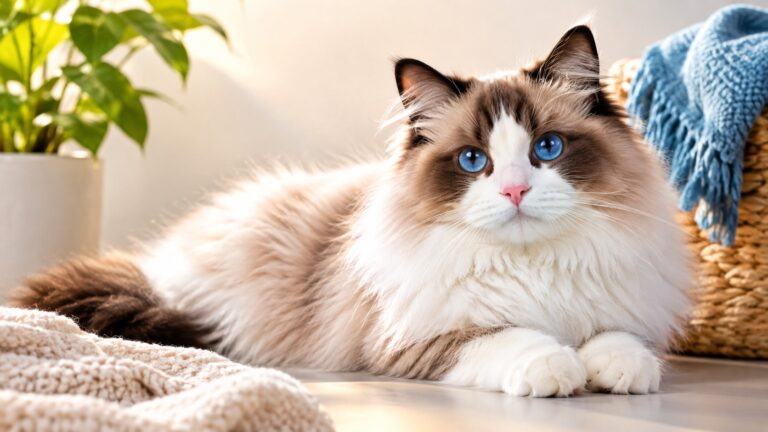
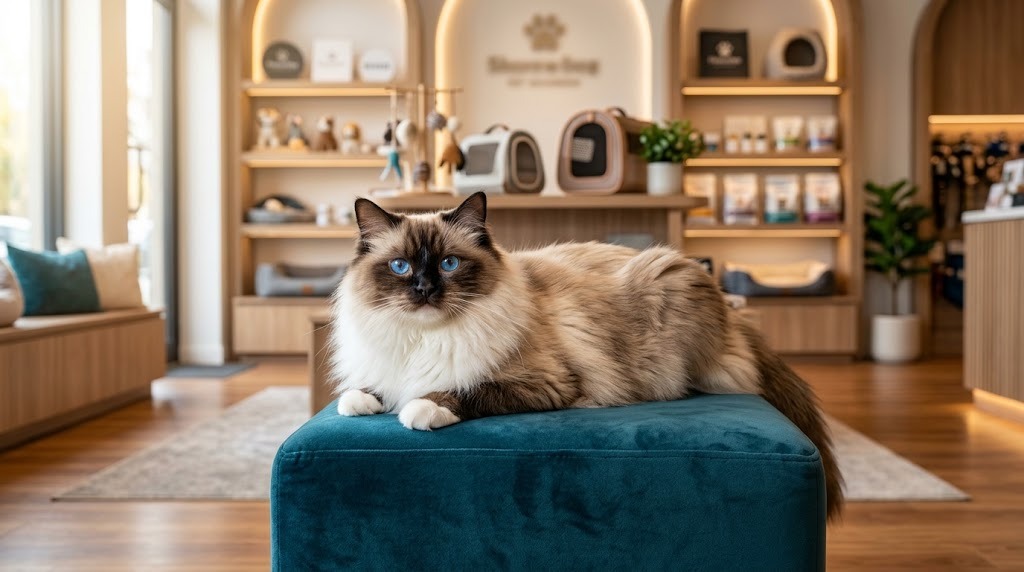
Ragdolls have an appearance that combines elegance with impressive size. Their large frame, soft coat, blue eyes, and pointed coloring give them a distinctive appearance that is easy to recognize.
Unlike some cats with very thick or woolly coats, Ragdolls generally have a silky semi-long coat. Their fur can look especially impressive around the neck, where it may form a soft ruff.
Their body is generally broad and substantial, with a strong chest and long legs. The overall appearance is balanced rather than delicate.
Ragdoll Cat Size and Body Structure
Ragdolls are considered a large cat breed. Males are typically larger than females, although individual size can vary considerably.
A mature Ragdoll can take several years to reach full physical maturity. This slower development is one reason young Ragdolls may look noticeably different from fully grown adults.
Their body structure usually includes a broad chest, substantial bone structure, long legs, and a large frame. Their paws can appear proportionally large, and their tail is usually long and well furnished with fur.
Because size can vary, owners should focus on healthy growth rather than trying to make a cat reach a particular weight or appearance.
Ragdoll Cat Coat
The Ragdoll’s coat is one of its most attractive characteristics. It is semi-long and generally soft to the touch.
The coat can become especially noticeable around the neck, chest, and hind legs. Regular grooming helps remove loose hair and keeps the coat looking clean and comfortable.
Although Ragdolls have beautiful fur, they still shed. Owners should not assume that a long-haired or semi-long-haired cat will maintain its coat without grooming.
Ragdoll Cat Eyes
One of the breed’s most recognizable characteristics is its blue eyes.
Ragdoll eyes can create a striking contrast with the cat’s pointed coat pattern. The combination of blue eyes, darker facial markings, and lighter body coloring is a major part of the breed’s visual identity.
What Colors and Patterns Do Ragdoll Cats Have?
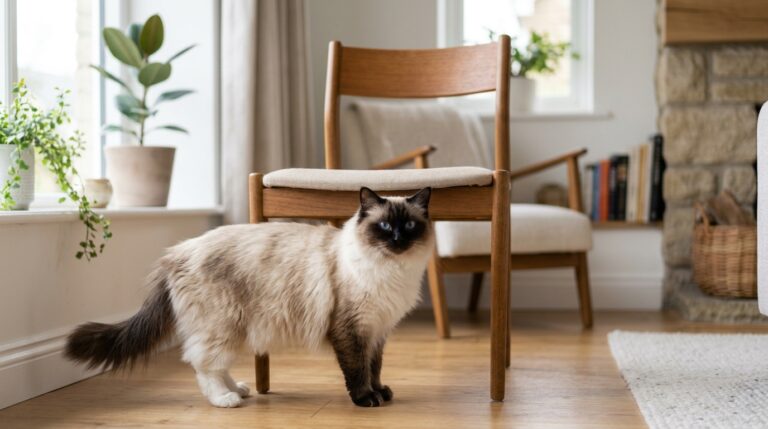
Ragdolls are known for pointed coloration, meaning the ears, face, legs, and tail are generally darker than the main body.
The breed can appear in several colors and patterns. Depending on the cat, you may see traditional point coloration, mitted markings, bicolor patterns, or variations such as lynx markings.
Colorpoint Ragdolls
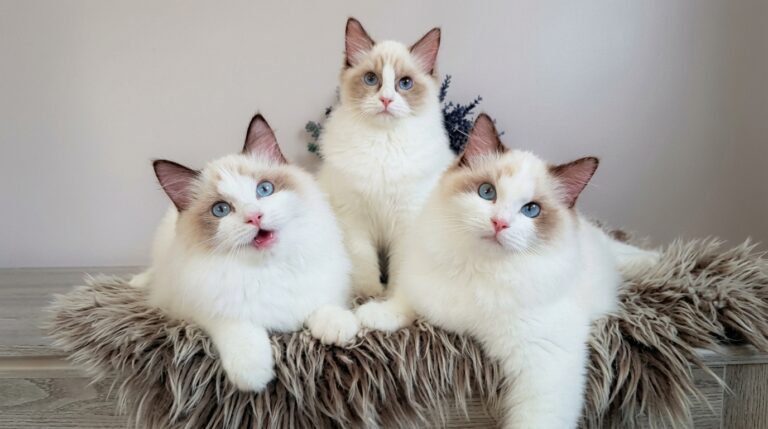
Colorpoint Ragdolls have darker coloration on the ears, mask, legs, and tail while the body remains lighter.
This pattern creates the classic pointed appearance many people associate with Ragdolls.
Mitted Ragdolls
Mitted Ragdolls have darker points combined with lighter markings on the paws. The pattern can create the appearance of small white gloves.
Some mitted Ragdolls also have white markings on the chin or chest.
Bicolor Ragdolls
Bicolor Ragdolls have a combination of darker point coloration and more extensive white markings.
Their facial pattern can be particularly distinctive, giving each cat an individual appearance.
Lynx Ragdolls
Lynx-patterned Ragdolls have tabby-like striping incorporated into their point coloration.
This can make the facial markings appear more detailed and give the cat a slightly different appearance from a traditional colorpoint Ragdoll.
What Is a Ragdoll Cat’s Personality Like?
The Ragdoll’s personality is one of the biggest reasons people become interested in the breed.
Ragdolls are generally described as affectionate, calm, social, and people-oriented. They often enjoy being around their owners without necessarily demanding constant attention.
A Ragdoll may follow you from one room to another, sit beside you while you work, or relax nearby while you watch television. Some enjoy being picked up and cuddled, while others prefer staying close without being carried.
As with any breed, personality can differ from one individual to another. Genetics, early socialization, environment, and life experiences can all influence behavior.
Are Ragdoll Cats Affectionate?
Many Ragdolls enjoy human companionship and develop strong relationships with their owners.
They may greet people at the door, sit beside family members, or seek attention through gentle behaviors. Some may enjoy sitting on a lap, while others prefer lying next to their favorite person.
Their affectionate nature does not mean they require constant physical contact. A Ragdoll may be perfectly happy simply being in the same room with its family.
Are Ragdoll Cats Calm?
Ragdolls are generally known for having a relaxed temperament.
They are not usually considered one of the most intensely energetic cat breeds. However, calm does not mean inactive. Ragdolls still need opportunities to play, climb, explore, and exercise.
A young Ragdoll, in particular, can be playful and energetic. As the cat matures, its activity level may become more moderate.
Are Ragdoll Cats Social?
Ragdolls often enjoy social interaction. They may form strong bonds with people and can sometimes get along well with other household animals when introductions are handled carefully.
Because they are social cats, they may not thrive in an environment where they receive very little interaction or stimulation.
Are Ragdoll Cats Good Family Pets?
Ragdolls can be wonderful companions for families when their needs are properly understood and respected.
Their generally gentle personality can make them appealing to households with older children. However, children should always be taught how to interact with cats respectfully.
A cat should never be forced to tolerate being carried, chased, squeezed, or disturbed while eating or sleeping.
Ragdoll Cats and Children
Ragdolls can enjoy spending time with children, particularly when the children understand how to behave around animals.
Parents should supervise interactions with younger children and teach them to use gentle hands. Children should also learn that a cat needs private spaces where it can rest without interruption.
Creating a positive relationship between a child and a cat is about mutual respect rather than simply choosing a breed known for being friendly.
Ragdoll Cats and Other Pets
Many Ragdolls can live successfully with other cats or cat-friendly dogs.
The introduction process is important. A new cat should not simply be placed directly into an unfamiliar environment with other animals.
Gradual introductions, separate feeding areas, safe hiding spaces, and controlled interactions can help pets become comfortable with one another.
How to Care for a Ragdoll Cat
Caring for a Ragdoll involves much more than enjoying its beautiful appearance. Like every cat, a Ragdoll needs nutritious food, clean water, veterinary care, grooming, exercise, mental stimulation, and a safe home.
Ragdoll Grooming
Regular brushing is an important part of Ragdoll care.
Their semi-long coat can collect loose hair and may develop tangles if it is not maintained. Brushing several times a week can help reduce loose fur and keep the coat comfortable.
Some cats enjoy grooming sessions, while others need time to become accustomed to them. Starting gentle grooming when a cat is young can make the process easier.
Owners should also pay attention to the cat’s nails, teeth, ears, and general cleanliness.
Feeding a Ragdoll Cat
A Ragdoll needs a balanced diet that provides appropriate nutrition for its age and lifestyle.
Kittens have different nutritional requirements from adult cats, while older cats may have their own dietary considerations.
Portion control is also important because a large breed does not automatically need unlimited food. A veterinarian can help determine an appropriate feeding routine based on the individual cat’s age, health, activity level, and body condition.
Fresh drinking water should always be available.
Exercise and Play
Although Ragdolls are generally calm, they still need regular activity.
Interactive toys, wand toys, puzzle feeders, scratching posts, and climbing structures can encourage movement and mental stimulation.
Daily play sessions can also strengthen the relationship between a cat and its owner.
The goal is not to make the cat constantly active. Instead, it is about providing appropriate opportunities for natural behaviors such as chasing, pouncing, climbing, scratching, and exploring.
Litter Box Care
A clean litter box is an important part of keeping a Ragdoll comfortable.
The litter box should be placed somewhere relatively quiet and easy for the cat to access. Regular cleaning helps reduce unpleasant odors and encourages good litter habits.
Multi-cat households may benefit from having multiple litter boxes placed in different areas.
Are Ragdoll Cats Easy to Train?
Ragdolls can learn household routines and basic behaviors through patient, positive training.
Cats generally respond better to rewards and encouragement than punishment. If you want your Ragdoll to use a scratching post instead of furniture, for instance, placing an attractive scratching surface in an accessible location can encourage the desired behavior.
Interactive play can also provide mental stimulation.
Ragdolls may learn to respond to their names, follow feeding routines, use scratching posts, and participate in simple enrichment activities.
Training should be gentle and consistent. A cat that feels safe and comfortable is more likely to engage positively with its environment.
Do Ragdoll Cats Need a Lot of Attention?
Ragdolls often enjoy human companionship, but their individual need for attention can vary.
Some may follow their owners throughout the house, while others are content to relax nearby.
Their social nature means owners should provide regular interaction rather than leaving them completely isolated for long periods whenever possible.
Spending time playing, grooming, talking, and relaxing with your cat can help build a strong relationship.
At the same time, every cat should have access to quiet spaces where it can retreat when it wants privacy.
Can Ragdoll Cats Live Indoors?
Ragdolls can live comfortably indoors when their environment provides enough stimulation and safe opportunities for activity.
Indoor living can reduce exposure to traffic, predators, infectious diseases, and other outdoor hazards.
However, an indoor cat still needs an interesting environment. Scratching posts, climbing areas, toys, window views, hiding places, and interactive play can make an indoor home more engaging.
Cat-proofing the home is also important. Windows, balconies, electrical cords, toxic plants, and small objects should be considered when creating a safe environment.
What Health Issues Can Ragdoll Cats Have?
Ragdoll cats can experience many of the same health problems as other cats. Because they are a pedigree breed, responsible breeders also pay attention to conditions that may occur within the breed.
One concern associated with Ragdolls is hypertrophic cardiomyopathy, a heart condition that can affect cats. Genetic testing and responsible breeding practices can help breeders make informed decisions about breeding animals.
This does not mean every Ragdoll will develop a heart condition. It simply highlights why health screening and veterinary care matter when choosing a kitten.
Regular veterinary examinations can help detect potential problems early.
Dental health, parasite prevention, vaccinations, nutrition, weight management, and routine examinations are all important parts of responsible cat ownership.
How Long Do Ragdoll Cats Live?
Ragdoll cats can live for many years when provided with appropriate care.
Lifespan can be influenced by genetics, nutrition, preventive veterinary care, living conditions, and individual health.
There is no guarantee that a particular cat will reach a specific age. However, maintaining a safe indoor environment, providing balanced nutrition, arranging regular veterinary care, and paying attention to changes in behavior can support overall well-being.
Owners should also remember that senior cats may need different care as they age. Regular checkups can become especially valuable as a cat gets older.
Are Ragdoll Cats High Maintenance?
Ragdolls are not necessarily difficult to care for, but their coat and size mean they have some specific needs.
Their semi-long fur requires regular brushing. Their large body means owners need appropriately sized litter boxes, carriers, beds, and other supplies.
They also appreciate companionship and stimulation.
For someone looking for a cat that requires almost no grooming or interaction, a Ragdoll may require more commitment than expected. For someone who enjoys spending time grooming, playing with, and caring for a cat, these requirements can become an enjoyable part of the relationship.
How Much Does a Ragdoll Cat Cost?
The cost of a Ragdoll can vary considerably depending on factors such as location, breeder reputation, pedigree, age, color or pattern, registration, and whether the cat is being purchased as a companion or for breeding.
The initial purchase price is only one part of the financial responsibility.
Owners should also consider food, litter, grooming supplies, toys, scratching equipment, routine veterinary visits, vaccinations, parasite prevention, transportation, and unexpected medical expenses.
If you are considering buying a Ragdoll kitten, research the breeder carefully rather than choosing solely based on the lowest price.
A responsible breeder should be willing to discuss health, socialization, parent cats, and appropriate documentation.
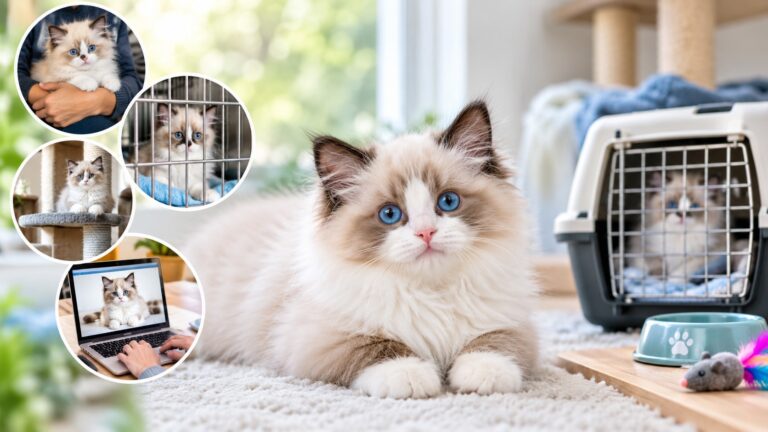
What Should You Look for When Buying a Ragdoll Kitten?
Choosing a kitten is an important decision that should involve more than appearance.
A responsible breeder should prioritize the health and welfare of their cats. They should be able to provide information about the kitten’s parents and discuss relevant health screening.
The kitten should appear alert, clean, active, and appropriately socialized.
Potential owners should also ask questions about vaccination, veterinary examinations, feeding, litter training, registration, and the kitten’s early environment.
Avoid rushing into a purchase simply because a kitten looks beautiful in a photograph.
Why Responsible Breeding Matters
Responsible breeding can help support healthier cats and stable temperaments.
Good breeders generally pay attention to genetics, health screening, socialization, living conditions, and appropriate placement of kittens.
Potential owners should be comfortable asking questions and requesting relevant documentation.
A breeder who is unwilling to answer reasonable questions about health and care should be approached carefully.
Can You Adopt a Ragdoll Cat?
Adoption can be another option for people interested in living with a Ragdoll or Ragdoll-type cat.
Purebred Ragdolls may occasionally appear through breed-specific rescue groups, shelters, or general animal rescue organizations. Some cats may also have Ragdoll-like characteristics without being pedigreed Ragdolls.
Adoption can provide a home for a cat that needs one while allowing potential owners to meet an individual cat’s personality.
When adopting an adult cat, ask the rescue organization about its history, temperament, health information, and behavior around people and other animals.
What Makes Ragdoll Cats Different From Other Cat Breeds?
Every cat breed has its own combination of physical and behavioral characteristics.
Ragdolls are particularly recognizable because of their large size, blue eyes, pointed coloration, semi-long coat, and generally affectionate temperament.
Compared with some highly active breeds, Ragdolls are often described as more relaxed. However, they are not completely inactive and still benefit from daily play.
Their grooming needs can also differ from those of short-haired breeds because their coat is longer and requires more regular maintenance.
Rather than choosing a breed solely because it is popular, prospective owners should consider temperament, grooming, activity level, space, time, and long-term care requirements.
FAQs
What is a Ragdoll cat known for?
Ragdoll cats are known for their large size, blue eyes, semi-long silky coats, pointed coloration, and generally gentle and affectionate personalities.
Are Ragdoll cats friendly?
Many Ragdolls are social and people-oriented, but individual personalities vary. Early socialization and a positive environment can also influence how comfortable a cat becomes around people.
Do Ragdoll cats like to be held?
Some Ragdolls enjoy being held and cuddled, while others prefer staying beside their owners. The breed’s reputation for relaxing when held should not be treated as a guarantee for every individual cat.
Do Ragdoll cats shed?
Yes. Ragdolls shed fur, and regular brushing can help manage loose hair and reduce tangles.
Are Ragdoll cats good for families?
They can be suitable for many families because they are often social and gentle. Children should still be taught to treat cats respectfully, and interactions with young children should be supervised.
Are Ragdoll cats indoor cats?
Ragdolls can live very well indoors when they have appropriate enrichment, play opportunities, scratching areas, climbing spaces, and safe places to rest.
How big do Ragdoll cats get?
Ragdolls are a large breed, with males generally growing larger than females. Individual size varies, and healthy development is more important than reaching a particular weight.
Do Ragdoll cats need regular grooming?
Yes. Their semi-long coat benefits from regular brushing to remove loose fur and reduce the chance of tangles.
Are Ragdoll cats expensive to maintain?
Their ongoing costs include food, litter, veterinary care, grooming supplies, toys, and other necessities. The total cost depends on the cat’s health, lifestyle, location, and quality of care.
Are Ragdoll cats playful?
Yes. Although they are generally known for a calm temperament, Ragdolls can be playful and benefit from interactive toys and regular play sessions.
Can Ragdoll cats live with other animals?
Many can live successfully with other cats or cat-friendly dogs when introductions are gradual and carefully managed. Individual temperament remains important.
Final Thoughts
So, what is a Ragdoll cat? It is a distinctive large domestic cat breed admired for its beautiful blue eyes, soft semi-long coat, pointed coloring, substantial body, and generally affectionate personality. Ragdolls have earned a special place in many homes because they often enjoy staying close to their human companions while maintaining a calm and pleasant presence.
However, owning a Ragdoll is still a long-term responsibility. Their beautiful coat needs regular grooming, their bodies need balanced nutrition, and their minds need play and enrichment. Routine veterinary care is equally important for supporting their overall health and detecting potential concerns early.
Whether you are thinking about purchasing a Ragdoll kitten, adopting an adult cat, or simply learning more about the breed, understanding its personality and care requirements is an excellent starting point. Every Ragdoll has an individual personality, so getting to know the specific cat is just as important as learning about the breed itself.
With responsible care, patience, companionship, and a safe environment, a Ragdoll can become a wonderful part of a household. Their combination of beauty, gentleness, and social character is what continues to make this remarkable breed so appealing to cat lovers.