
Are Ragdoll Cats Cuddly? The Ultimate Guide to Their Affectionate Nature
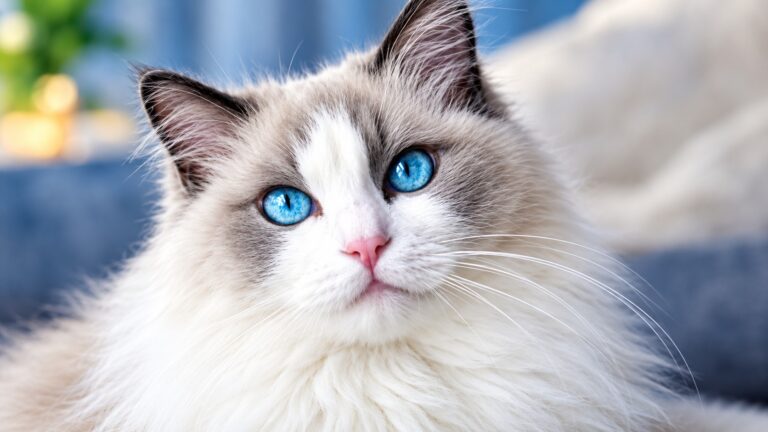
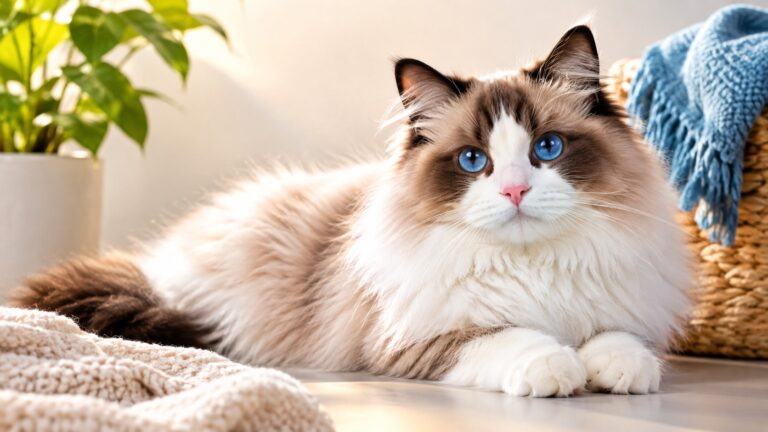
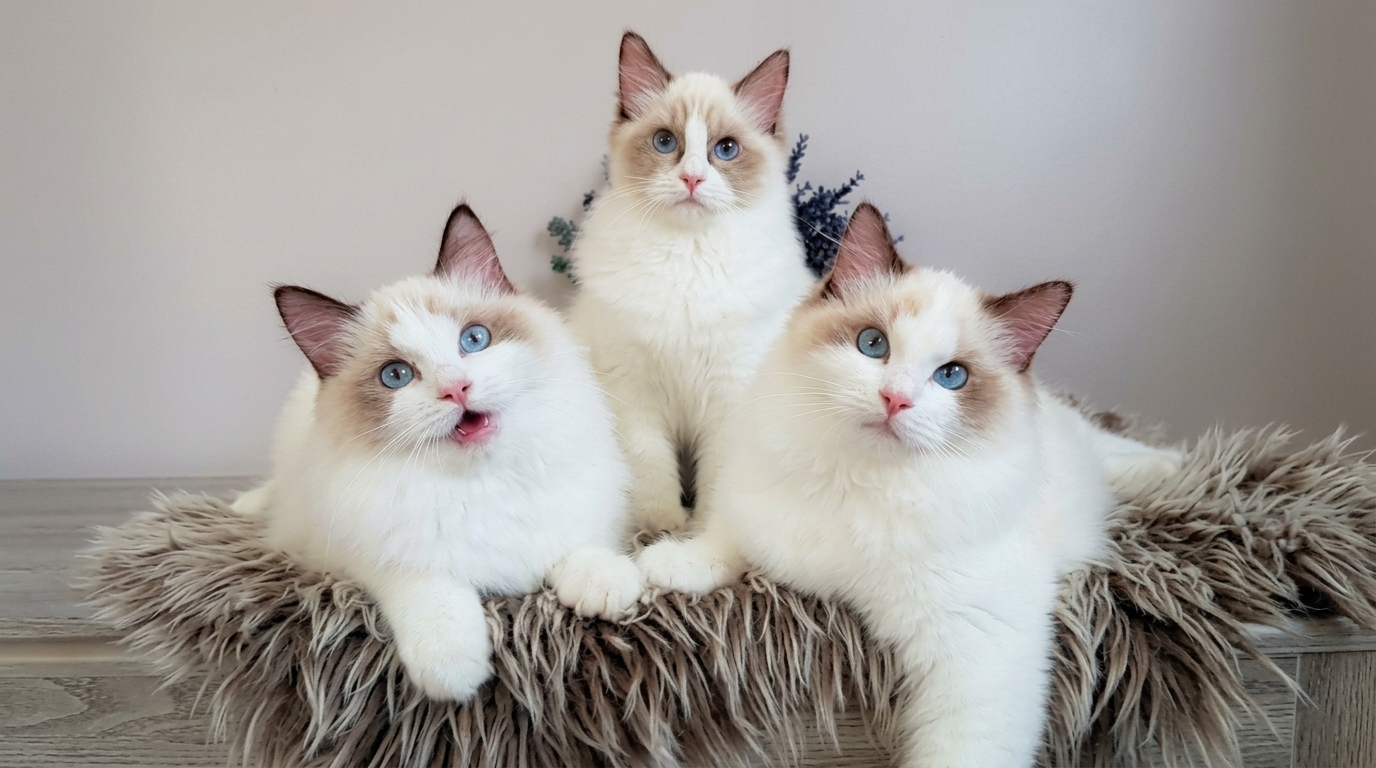
If you have ever spent time around a Ragdoll cat, you may have noticed how strongly these beautiful cats can connect with people. Their soft coat, striking blue eyes, calm personality, and affectionate behavior have made them one of the most popular cat breeds among families and companion-animal lovers. One of the most common questions potential owners ask is, are Ragdoll cats cuddly? The short answer is that many Ragdoll cats are affectionate, social, and comfortable staying close to their humans, although every individual cat has its own personality.
Ragdolls are often associated with relaxed companionship and a strong desire to remain near the people they trust. Some enjoy sitting on laps, sleeping beside their owners, following family members around the home, or receiving gentle attention. Others may show affection by staying nearby without constantly wanting to be held. Understanding this difference is important because being affectionate does not always mean that a cat wants to cuddle every moment.
The Ragdoll breed is known for its gentle temperament and people-oriented nature. However, personality is influenced by genetics, early socialization, environment, experiences, age, and the individual cat itself. A Ragdoll can be extremely cuddly while another may prefer affection on its own terms. This does not necessarily mean that one cat is more loving than the other. Cats simply communicate attachment in different ways.
Are Ragdoll Cats Cuddly?
So, are Ragdoll cats cuddly? In general, many Ragdolls are known for being affectionate and comfortable with close human companionship. Their reputation as gentle companion cats comes from their tendency to seek interaction with people and remain near their families. They often enjoy being petted, sitting beside their owners, resting on furniture near people, and participating in household activities.
Some Ragdolls are happy to climb onto a lap and settle down for an extended period. Others may sit next to their owner rather than directly on the lap. Some prefer to sleep at the foot of the bed or beside their person instead of being physically held. These behaviors can all represent affection even when the cat does not behave like a traditional lap cat.
Ragdolls can also become more affectionate as they develop trust. A cat that initially seems reserved may gradually become more comfortable after learning that its environment is safe. Consistent routines, gentle handling, and positive interactions can help build a strong relationship between a Ragdoll and its owner.
Their affectionate reputation should not be interpreted as a guarantee that every Ragdoll will enjoy unlimited physical contact. Cats have individual preferences, and respecting those preferences is an important part of responsible ownership.
Why Are Ragdoll Cats So Affectionate?
The affectionate reputation of Ragdolls is closely connected to their breed temperament. They are generally described as calm, gentle, and people-oriented. Rather than constantly seeking intense activity, many Ragdolls enjoy relaxed interaction and companionship.
A Ragdoll may choose to remain in the same room as its owner even when it is not actively asking for attention. This behavior can make them feel like quiet companions. They may follow a person from one room to another, settle nearby while someone works, or wait near a family member during everyday activities.
Social attachment can also develop through repeated positive experiences. When a cat receives food, comfort, play, gentle grooming, and calm interaction from the same people, it can associate those people with safety and positive experiences. Over time, this can encourage the cat to seek more contact.
Genetics can also play a role in temperament. Breed characteristics influence general behavioral tendencies, but they do not completely determine the personality of an individual animal. A Ragdoll may inherit a gentle temperament while still having its own preferences regarding touch, handling, sleeping arrangements, and social interaction.
Do Ragdoll Cats Like to Sit on Your Lap?
Many Ragdolls can enjoy sitting on a person’s lap, particularly when they feel comfortable and secure. Their relaxed temperament may make them willing to settle down for quiet periods of companionship. A warm lap can provide comfort, security, and a convenient place to rest.
However, not every Ragdoll will automatically become a lap cat. Some prefer sitting beside their owner rather than directly on top of them. Others may enjoy a few minutes of lap time before moving away. This is normal feline behavior and should not be interpreted as rejection.
A cat’s preferred position can also change throughout the day. During a quiet evening, a Ragdoll may be more interested in close contact. During an active period, it may prefer exploring, playing, grooming, or resting independently.
The best approach is to allow the cat to choose when possible. When a Ragdoll voluntarily climbs onto your lap, remaining calm and providing gentle affection can reinforce the positive experience. Forcing a cat to remain in your lap can have the opposite effect and may make future handling less comfortable.
Do Ragdoll Cats Like to Be Held?
Ragdolls are often described as tolerant of being handled, but tolerance varies between individuals. Some enjoy being picked up and held close to their owners. Others may prefer keeping all four paws on a stable surface while receiving affection.
If you need to pick up a Ragdoll, supporting its body properly is important. One hand can support the chest while the other supports the hindquarters. This provides stability and reduces the feeling that the cat is dangling or losing control.
A cat’s body language should always be observed during handling. Relaxed muscles, gentle purring, and calm behavior can indicate comfort, while struggling, stiffening, flattened ears, rapid tail movements, or attempts to escape may indicate that the cat wants to be put down.
Even a very affectionate Ragdoll should be allowed to communicate its boundaries. Respecting those boundaries helps maintain trust and can make future interactions more positive.
How Do Ragdoll Cats Show Affection?
Ragdolls can communicate affection in many ways, and cuddling is only one of them. Understanding feline body language can help owners recognize affection even when their cat is not sitting directly on their lap.
Following a person around the home is one possible sign of social attachment. A Ragdoll may move from room to room with its owner simply because it enjoys being near that person. This does not necessarily mean the cat needs constant attention. Sometimes companionship itself is enough.
Sleeping near an owner can also indicate trust. Cats are vulnerable while sleeping, so choosing a familiar person or safe location for rest can reflect a sense of security. A Ragdoll may sleep beside its owner, near their feet, or in another comfortable location within the same room.
Gentle head rubbing is another common social behavior. When a cat rubs its face or head against a person, it is engaging in familiar social interaction and leaving its scent through facial scent glands.
Purring can accompany affection, although purring does not always mean happiness. Cats may also purr when they are anxious or uncomfortable. Therefore, purring should be interpreted together with the cat’s overall body language.
A relaxed Ragdoll may also stretch out near its owner, expose a relaxed body posture, blink slowly, or remain close during quiet activities. These subtle behaviors can be just as meaningful as traditional cuddling.
Are Ragdoll Cats Affectionate With Their Owners?
Ragdolls can form strong social bonds with their owners. Their people-oriented temperament often makes them interested in household interaction rather than spending all of their time alone.
A Ragdoll may recognize familiar voices, routines, and movements. Over time, it can learn when household members typically wake up, eat, work, relax, and go to sleep. Familiar routines can provide a sense of predictability, which many cats find reassuring.
Affection can become especially noticeable when the cat voluntarily seeks interaction. It may approach when an owner sits down, wait nearby during quiet moments, or respond positively to gentle petting.
The strength of the relationship is not determined only by physical contact. Trust, consistency, communication, and respect are equally important. A Ragdoll that feels secure with its owner may demonstrate affection in ways that are subtle rather than dramatic.
Are Ragdoll Cats Cuddly With Children?
Ragdolls are often considered suitable companion cats for families because of their generally gentle and social temperament. However, a child’s behavior can strongly influence how comfortable a cat feels.
Children should learn that cats are living animals with personal boundaries. Pulling fur, grabbing tails, chasing a cat, disturbing it while sleeping, or forcing physical contact can cause fear and stress.
A child should approach a Ragdoll calmly and allow the cat to decide whether it wants interaction. Gentle petting is generally more appropriate than rough handling. Younger children should always have appropriate adult supervision when interacting with a cat.
A Ragdoll that enjoys cuddling can become a wonderful family companion, but the relationship works best when both the child and the cat are treated with respect.
Are Ragdoll Cats Cuddly With Other Pets?
Ragdolls can be social with other household animals, but compatibility depends on the personalities of the individual pets. A calm Ragdoll may adjust well to another friendly animal when introductions are handled carefully.
Cats generally benefit from gradual introductions rather than being placed together immediately. Giving each animal its own space can reduce stress during the adjustment period. Familiar scents can be introduced gradually before direct interaction is encouraged.
The cat’s age, previous experiences, confidence, and temperament can all affect how it responds to another pet. Some Ragdolls may become comfortable with another animal quickly, while others need considerably more time.
A peaceful multi-pet household depends on allowing animals to establish comfort without unnecessary pressure. Even a naturally social Ragdoll needs a safe place where it can retreat and rest.
When Do Ragdoll Cats Become More Cuddly?
A Ragdoll’s level of affection can change with age and experience. Kittens can be playful and energetic, which means they may not want to remain still for long periods. As they mature, their behavior may become more relaxed.
Young cats are also learning about their environment. New surroundings, unfamiliar sounds, different people, and changes in routine can temporarily make a kitten more cautious.
As a Ragdoll becomes familiar with its home and owner, trust can grow. A cat that initially spends much of its time observing from a distance may eventually begin approaching people more frequently.
Adult Ragdolls may develop predictable routines around affection. They may have favorite times for sitting with their owners, sleeping nearby, or receiving attention. These patterns can become part of the everyday relationship between the cat and its family.
Senior Ragdolls may also become more interested in quiet companionship because their energy levels can decrease with age. However, changes in behavior should always be considered in the context of overall health and well-being.
Why Might a Ragdoll Cat Not Want to Cuddle?
Even if a Ragdoll has a reputation for being affectionate, it may sometimes avoid cuddling. Individual personality is one possible reason. Some cats simply prefer less physical contact.
The environment can also influence behavior. Loud noises, unfamiliar visitors, changes in furniture, moving to a new home, or disruptions in routine can make a cat less interested in social interaction.
Overstimulation is another possibility. A cat may enjoy being petted for several minutes and then decide that it has had enough. Continuing to touch the cat after it communicates discomfort can create a negative association with handling.
Age can also influence cuddling preferences. Kittens may be too energetic to remain still, while older cats may prefer comfortable resting positions that do not involve being moved or held.
A sudden and significant change in affectionate behavior deserves attention. If a normally social Ragdoll suddenly becomes withdrawn, avoids touch, hides more than usual, stops eating, or displays other unusual behaviors, contacting a veterinarian is appropriate because behavioral changes can sometimes accompany health problems.
How to Encourage Your Ragdoll Cat to Cuddle
Building trust is more effective than forcing physical contact. A Ragdoll is more likely to seek affection when it feels safe and understands that its boundaries will be respected.
Start by creating a calm environment. Allow the cat to approach rather than repeatedly reaching toward it. When the cat voluntarily comes close, gentle interaction can help reinforce the positive experience.
Routine can also help. Cats often appreciate predictable schedules for feeding, play, grooming, and rest. A stable environment can make social interaction feel more comfortable.
Positive attention should be adjusted to the cat’s preferences. Some Ragdolls enjoy gentle strokes around the head and cheeks, while others prefer different forms of interaction. Watching body language helps identify what the individual cat enjoys.
Play can strengthen the human-cat relationship as well. Interactive play gives the cat an opportunity to engage with its owner without requiring physical cuddling. Over time, positive shared activities can increase trust.
A comfortable resting environment can also encourage closeness. A soft bed or blanket positioned near the owner may allow the cat to remain nearby while maintaining control over physical distance.
Understanding Ragdoll Body Language
Learning feline body language is essential for understanding whether a Ragdoll wants affection. A relaxed body generally indicates comfort, especially when combined with calm breathing and a natural posture.
Slow blinking can be associated with relaxed social interaction. When a cat looks toward a trusted person and slowly closes its eyes, the behavior can occur during peaceful communication.
A relaxed tail position can also provide useful information. Tail behavior should be interpreted alongside the rest of the body because individual cats can use their tails differently.
Ears are another important signal. Relaxed ears generally suggest that the cat is comfortable, while flattened or strongly rotated ears may indicate fear, irritation, or overstimulation.
Owners should pay attention to subtle changes. A Ragdoll may initially enjoy petting and then begin shifting its body, moving its tail more quickly, or attempting to reposition itself. These signs can indicate that it wants a break.
Respecting these signals helps create a healthier relationship because the cat learns that communication is effective.
Do Ragdoll Cats Follow Their Owners?
Many Ragdolls enjoy staying close to their owners, and following people around the house can be part of their social behavior. A Ragdoll may walk behind a person from one room to another or settle nearby while that person is doing household tasks.
This behavior can make Ragdolls feel particularly companionable. They are not necessarily demanding constant attention. Often, they simply appear interested in being part of the household environment.
Following behavior can also become part of a daily routine. A cat may learn that certain household activities involve opportunities for attention, play, grooming, or feeding.
However, excessive following combined with distress when separated may indicate a different issue. Understanding the cat’s overall behavior is more important than interpreting one action in isolation.
Do Ragdoll Cats Like Sleeping With Their Owners?
Many Ragdolls enjoy sleeping near people because they appreciate warmth, familiarity, and security. A bed can provide a comfortable place to rest while also allowing the cat to remain close to its favorite person.
Some Ragdolls may sleep beside their owner’s legs, while others prefer a nearby chair or separate cat bed. The preferred sleeping location can change depending on temperature, comfort, household activity, and the cat’s personal preference.
Allowing a Ragdoll to choose its sleeping location is generally better than forcing it to remain in a particular place. A cat that feels comfortable can naturally choose how close it wants to be.
If a cat suddenly changes its sleeping habits, especially when the change is accompanied by other unusual behaviors, it is worth paying attention to the broader situation.
Are Ragdoll Cats Clingy?
Ragdolls can be highly social, but affectionate and clingy are not necessarily the same thing. A social cat may enjoy staying near people while still being comfortable spending time independently.
Some Ragdolls may appear particularly attached to one person. They might follow that individual around more often or seek their attention regularly. This can be part of a strong social bond.
Other Ragdolls are more independent. They may interact with the whole family but choose when they want physical attention.
A healthy relationship allows the cat to enjoy companionship while also having opportunities for independent rest and exploration. Providing comfortable personal spaces can help maintain that balance.
Do Ragdoll Cats Make Good Lap Cats?
Ragdolls are often associated with lap-cat behavior because many individuals enjoy relaxed physical contact. Their calm temperament can make them comfortable resting beside or on people.
However, the label “lap cat” should not be treated as a personality guarantee. Every cat has its own preferences. Breed tendencies can influence behavior, but individual experiences and personality remain important.
A Ragdoll that prefers sitting beside its owner can still be deeply affectionate. The cat may show attachment through following, sleeping nearby, greeting people, or seeking gentle interaction.
The most rewarding relationship develops when owners appreciate the cat’s natural personality rather than expecting it to behave according to a breed stereotype.
How to Build a Strong Bond With a Ragdoll Cat
A strong relationship with a Ragdoll develops through consistency. Regular feeding, play, grooming, gentle interaction, and a safe home environment can help the cat develop confidence.
Trust is especially important. Cats learn through repeated experiences, and positive interactions can teach them that their owners are safe and predictable.
Avoiding unnecessary punishment is also important. Fear-based interactions can damage trust and may make a cat more withdrawn. Calm redirection and environmental management are generally more appropriate approaches.
Spending quiet time together can be valuable even when no physical contact occurs. Sitting near the cat while reading, working, or relaxing allows it to become comfortable with your presence.
Over time, these ordinary moments can become the foundation of a close relationship. Cuddling may naturally increase when the cat learns that approaching you leads to calm, positive experiences.
Grooming and Affection
Ragdolls have long, soft coats that require regular grooming. Grooming can become another opportunity to build trust when introduced gradually and handled gently.
A cat that enjoys grooming may associate brushing with attention and comfort. However, some cats become restless during grooming sessions, so keeping sessions appropriate to the individual cat is important.
Regular grooming also helps owners become familiar with their cat’s normal physical condition. Changes in coat quality, skin, or sensitivity can sometimes become noticeable during routine care.
The goal should not be to turn every grooming session into a cuddling session. Instead, grooming can become a calm part of the relationship while respecting the cat’s tolerance.
Does a Ragdoll Cat’s Personality Change Over Time?
A cat’s personality can develop throughout its life. Early experiences can influence confidence and social behavior, while maturity can bring changes in energy levels and routines.
A young Ragdoll may spend more time playing and exploring. As it matures, it may become more interested in resting and quiet companionship.
Environmental changes can also influence behavior. Moving homes, changes in household members, introduction of another pet, or major changes in daily routines may temporarily affect how social a cat appears.
This means owners should avoid judging a Ragdoll’s personality based on a short period. Relationships develop gradually, and behavior can change as the cat becomes more comfortable.
The Importance of Respecting a Ragdoll’s Boundaries
One of the most important parts of building affection is respecting boundaries. A cuddly cat still has moments when it wants to rest, eat, groom itself, explore, or be alone.
Allowing the cat to leave when it wants can actually strengthen trust. When a Ragdoll learns that it can end an interaction safely, it may become more willing to initiate future contact.
Children and visitors should also understand these boundaries. A cat should have access to quiet spaces where it can retreat without being followed.
Affection should always be mutual rather than forced. The goal is to create a relationship where the cat chooses interaction because it feels safe and rewarding.
Ragdoll cats are generally known for their gentle and social temperament, but individual personalities can vary. The Cat Fanciers’ Association provides breed information about Ragdoll cats, including their general temperament and physical characteristics. Reviewing reliable breed information can help prospective owners understand what to expect while remembering that every individual cat has its own personality.
Are Ragdoll Cats Cuddly at Night?
Some Ragdolls become especially affectionate during quiet nighttime hours. A peaceful home can provide an ideal environment for a social cat to seek companionship.
A Ragdoll may curl up beside its owner, sleep near the bed, or move between different comfortable resting spots. Nighttime behavior can depend on the individual cat’s routine and energy level.
Cats are naturally influenced by their own activity patterns, so not every Ragdoll will sleep throughout the night. Some may become active, move around the home, or seek attention.
Creating a comfortable sleeping environment and maintaining a consistent routine can help establish predictable nighttime habits.
Are Male and Female Ragdolls Equally Cuddly?
There is no simple rule that determines cuddling behavior solely by sex. Personality varies considerably between individual cats.
Some male Ragdolls may be extremely affectionate, while some females may be equally social. The differences between individual personalities can be more noticeable than broad assumptions about sex.
Factors such as genetics, socialization, environment, age, and previous experiences can all contribute to how a cat interacts with people.
When choosing a Ragdoll companion, focusing on the individual cat’s temperament and behavior is more useful than relying on sex alone.
FAQs
Are Ragdoll cats naturally cuddly?
Many Ragdoll cats are naturally affectionate and enjoy staying close to their owners. Their generally gentle and social temperament can make them interested in physical contact and companionship. However, individual personalities vary, so some Ragdolls may prefer sitting beside their owners rather than being held.
Do Ragdoll cats like to be held?
Some Ragdolls enjoy being held, while others prefer keeping their paws on a stable surface. Proper support and gentle handling are important. Owners should pay attention to body language and put the cat down when it shows signs that it wants to leave.
Are Ragdoll cats good lap cats?
Many Ragdolls can make excellent lap companions because they often enjoy relaxed physical contact. However, not every individual will want to sit on a lap. Some may prefer sleeping beside their owner or staying nearby.
Do Ragdoll cats follow their owners?
Ragdolls can be very people-oriented and may follow their owners around the home. This behavior can reflect social attachment and an interest in companionship. The amount of following varies between individual cats.
Do Ragdoll cats like sleeping with people?
Many Ragdolls enjoy sleeping near their owners because they appreciate warmth, familiarity, and security. Some sleep directly beside a person, while others choose a nearby bed or comfortable location.
Are Ragdoll cats affectionate with children?
Ragdolls are generally known for their gentle and social temperament, but children should always be taught to handle cats respectfully. Young children should have appropriate supervision around pets.
Why does my Ragdoll not want to cuddle?
A Ragdoll may avoid cuddling because of personality, stress, overstimulation, unfamiliar surroundings, age, or personal preference. If a normally affectionate cat suddenly becomes withdrawn or behaves unusually, veterinary advice may be appropriate.
How can I make my Ragdoll more affectionate?
Building trust is more effective than forcing affection. Provide a calm environment, maintain predictable routines, use gentle interaction, allow the cat to approach voluntarily, and respect its boundaries. Over time, these habits can strengthen the bond between you and your Ragdoll.
Final Thoughts
So, are Ragdoll cats cuddly? Many Ragdoll cats are affectionate, gentle, social, and comfortable staying close to their human companions. Their calm temperament and people-oriented nature have helped establish their reputation as loving companion cats.
Many Ragdolls enjoy cuddling, sitting on laps, sleeping near their owners, following people around the home, and receiving gentle attention. At the same time, not every Ragdoll wants the same amount of physical contact. Some prefer sitting beside their owners rather than being held, while others may actively seek lap time.
The most important thing is to understand the individual cat. A Ragdoll’s personality can be influenced by genetics, early socialization, environment, age, routine, and personal experiences. Giving the cat time to develop trust can make affection more natural.
A strong bond does not depend on constant cuddling. Following you around, sleeping nearby, greeting you, sitting in the same room, slow blinking, rubbing against you, and seeking gentle attention can all be signs of a meaningful relationship.
Ragdolls can be wonderful companions for people who appreciate a calm and social cat, but their affectionate reputation should never replace respect for individual preferences. When owners provide a safe environment, consistent care, gentle interaction, and plenty of choice, many Ragdolls can develop into deeply affectionate companions.
Ultimately, the answer to are Ragdoll cats cuddly is generally yes, but cuddling looks different from one cat to another. Some will happily curl up on a lap, while others express their affection by simply staying close. Understanding and respecting that difference is one of the best ways to build a lasting relationship with a Ragdoll cat.