
How Long Do Ragdolls Live? Learn About Their Lifespan, Aging Process & Essential Care
Ragdoll cats are known for their gentle personalities, beautiful blue eyes, soft coats, and relaxed nature. They are often described as affectionate companions that enjoy spending time with their families. Because Ragdolls can become such an important part of a household, one question naturally comes up for many current and future owners: how long do Ragdolls live?
A healthy Ragdoll can enjoy a long life when given appropriate nutrition, regular veterinary care, a safe living environment, grooming, exercise, and plenty of attention. However, lifespan is never exactly the same for every cat. Genetics, overall health, lifestyle, diet, preventive care, and environmental factors can all influence how many healthy years a Ragdoll enjoys.
Understanding the Ragdoll life cycle can help owners prepare for every stage, from playful kittenhood to the quieter senior years. Instead of focusing only on a number, it is helpful to understand what supports long-term health and what changes you may notice as your cat gets older.
How Long Do Ragdolls Live?
Ragdoll cats commonly live into their teenage years, although individual lifespans can vary considerably. Some may experience health problems earlier in life, while others remain active and comfortable well into their senior years.
A cat’s expected lifespan should therefore be viewed as a general range rather than a guarantee. Two Ragdolls from the same breed can have very different life experiences because their genetics, diet, activity level, healthcare, and environment may not be identical.
Indoor Ragdolls may also benefit from a more controlled environment. Keeping a cat indoors can reduce exposure to traffic, fights with other animals, infectious diseases, parasites, and other outdoor hazards.
Still, simply keeping a Ragdoll indoors does not automatically guarantee a longer life. Indoor cats need mental stimulation, physical activity, appropriate nutrition, preventive healthcare, and a comfortable environment to remain healthy.
What Makes the Ragdoll Lifespan Different?
Ragdolls are a large cat breed that develops relatively slowly compared with some smaller breeds. Their physical development can continue for several years, and their calm personality often becomes more noticeable as they mature.
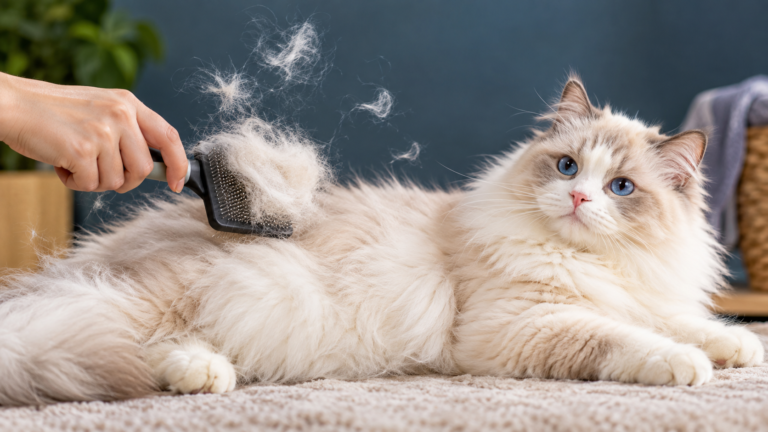
Their long, semi-long coat also means that grooming is an important part of routine care. Regular grooming helps owners monitor the skin and coat while reducing the chance of severe matting.
Another important characteristic is their affectionate temperament. Many Ragdolls enjoy being around people and may follow family members from room to room. Because they often spend a lot of time indoors, owners have plenty of opportunities to notice changes in eating habits, activity, grooming, or behavior.
Those small observations can matter because early recognition of unusual changes allows owners to discuss concerns with a veterinarian sooner.
Understanding the Ragdoll Life Stages
A Ragdoll does not suddenly become a senior cat overnight. Their life develops through several stages, and each stage brings different nutritional, behavioral, and healthcare needs.
The Kitten Stage
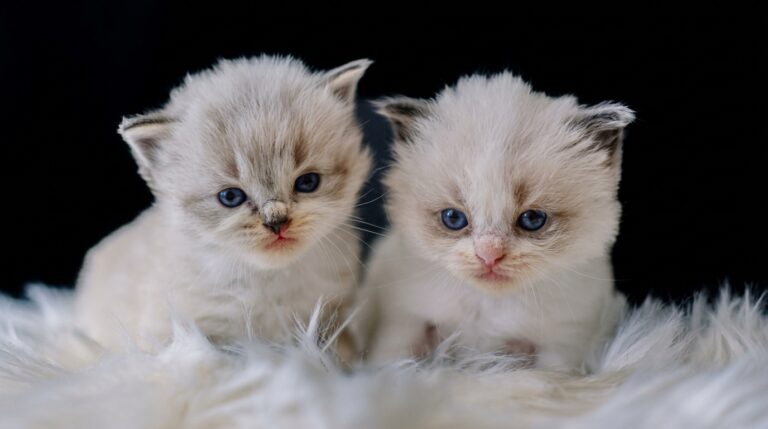
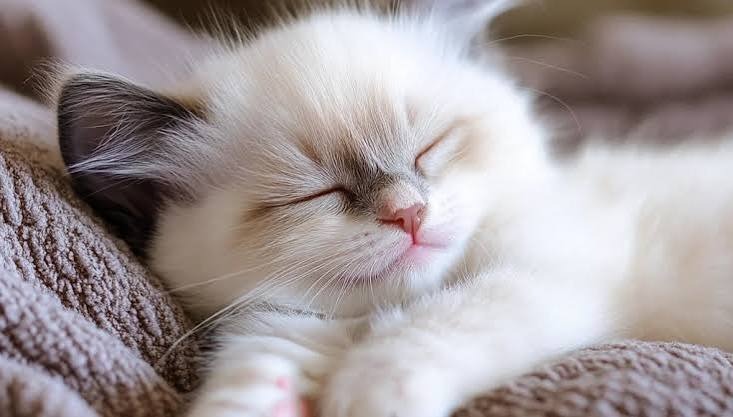
Ragdoll kittens are curious, energetic, and playful. During this period, they are developing physically and learning how to interact with people and their surroundings.
A kitten needs appropriate food designed for growth, regular veterinary care, vaccinations according to veterinary recommendations, and a safe environment.
Socialization is also important. Positive experiences with normal household sounds, gentle handling, grooming, and appropriate interaction can help kittens become confident adult cats.
Because Ragdolls can grow into large cats, providing enough room for movement and play is useful from an early age.
The Young Adult Stage
As a Ragdoll becomes a young adult, their personality and physical appearance become more established. They may remain playful while becoming calmer than they were as kittens.
This is an important period for establishing long-term habits. A balanced diet, regular exercise, grooming, dental care, and routine veterinary examinations can become normal parts of everyday life.
Owners should also pay attention to body condition rather than simply assuming that a larger cat is healthier. Healthy growth and an appropriate body condition are more meaningful than size alone.
The Mature Adult Stage
During adulthood, many Ragdolls settle into predictable routines. They may have favorite sleeping areas, preferred toys, and established feeding habits.
This stage can be comfortable and enjoyable for both the cat and the owner. However, maintaining healthy habits remains important.
Cats can sometimes hide signs of illness, so routine veterinary examinations can help identify potential problems that may not be obvious at home.
The Senior Stage
As Ragdolls grow older, their activity levels may gradually change. A senior cat may sleep more, play for shorter periods, or prefer easier access to favorite resting areas.
These changes can be normal, but significant changes should not automatically be blamed on age.
A noticeable change in appetite, thirst, weight, mobility, breathing, grooming, litter-box habits, or behavior deserves attention from a veterinarian.
What Factors Affect How Long Ragdolls Live?
There is no single factor that determines a Ragdoll’s lifespan. Instead, several elements work together throughout the cat’s life.
Genetics
Genetics can influence a cat’s overall health and susceptibility to certain inherited conditions. This is one reason responsible breeding practices matter.
When choosing a Ragdoll kitten, prospective owners can ask breeders about the health history of the parents and any relevant health screening performed by the breeding program.
A good genetic background does not guarantee perfect health, but responsible breeding can help reduce certain avoidable risks.
Nutrition
Nutrition plays an important role throughout a Ragdoll’s life.
Kittens require nutrition that supports growth, while adult cats need food appropriate for maintaining their health and body condition. Senior cats may also have changing nutritional needs.
Rather than choosing food based only on marketing claims, owners should consider the cat’s life stage, health status, activity level, and individual needs. A veterinarian can provide guidance when a cat has specific dietary requirements.
Fresh drinking water should also be available every day.
Veterinary Care
Routine veterinary care is one of the most practical ways to support long-term feline health.
Veterinary visits allow professionals to monitor weight, teeth, heart and lungs, skin, coat, mobility, and other aspects of general health.
Vaccinations and parasite prevention should be discussed according to the cat’s lifestyle and veterinary recommendations.
As a Ragdoll gets older, regular monitoring can become particularly useful because some age-related conditions may develop gradually.
Exercise
Ragdolls are generally known for their relaxed personalities, but they still need physical activity.
Interactive toys, climbing opportunities, scratching posts, puzzle feeders, and short play sessions can help keep a cat mentally and physically engaged.
Exercise can also help prevent excessive weight gain, which is important because carrying extra weight can place additional stress on a cat’s body.
Safe Living Environment
A safe home can protect a Ragdoll from many avoidable dangers.
Indoor cats should have secure windows, appropriate scratching areas, safe toys, clean litter boxes, and comfortable resting spaces.
Household plants, medications, chemicals, electrical cords, and small objects should be managed carefully because cats are naturally curious.
Common Health Concerns in Ragdolls
Ragdolls can experience many of the same health problems seen in other cats. They may also have breed-associated concerns that owners should understand.
Hypertrophic Cardiomyopathy
Hypertrophic cardiomyopathy, commonly called HCM, is a heart condition involving thickening of the heart muscle.
Ragdolls have been associated with a genetic form of HCM, which is one reason responsible breeders may use genetic testing and other health-screening practices.
Owners should not attempt to diagnose heart problems themselves. If a cat develops unusual breathing, weakness, fainting, or other concerning symptoms, veterinary attention is appropriate.
Dental Health
Dental disease is an important consideration for cats of many breeds.
Plaque and tartar can contribute to gum disease and discomfort. Regular dental checks and appropriate home dental care can help support oral health.
Veterinarians can recommend suitable dental products and professional cleaning when needed.
Weight Management
Ragdolls are naturally large cats, so it can sometimes be difficult for owners to distinguish normal size from excess weight.
A cat’s body condition is more useful than simply looking at the number on a scale.
Feeding appropriate portions and providing regular opportunities for activity can help maintain a healthy body condition.
Age-Related Changes
Older cats may experience changes involving their joints, kidneys, thyroid, teeth, vision, hearing, or other body systems.
Not every senior cat develops these problems, but regular veterinary monitoring becomes increasingly valuable as cats age.
How Nutrition Supports a Long Ragdoll Life
Food is one of the most consistent parts of a cat’s daily routine, so making sensible nutritional choices matters.
A complete and balanced diet appropriate for the cat’s life stage provides essential nutrients for normal body function.
Kittens need food formulated for growth. Adult Ragdolls generally need nutrition designed for maintenance. Older cats may have different requirements depending on their health.
Portion control is also important. Even high-quality food can contribute to excessive weight gain if a cat consistently consumes more calories than it needs.
Genetics can influence a cat’s overall health and susceptibility to certain inherited conditions. Ragdoll owners can learn more about the breed’s characteristics and responsible ownership through The International Cat Association (TICA).
Treats should remain a reasonable part of the overall diet rather than replacing nutritionally complete meals.
If your Ragdoll develops a health condition, your veterinarian may recommend a specific nutritional approach.
Why Regular Grooming Matters
Ragdolls have beautiful semi-long coats that require regular attention.
Brushing can help remove loose hair and reduce the development of tangles and mats. It also provides an opportunity to inspect the skin for unusual changes.
Some Ragdolls may need more frequent grooming than others depending on coat texture, lifestyle, and how easily their fur becomes tangled.
Grooming should be introduced gently, especially when a cat is young. Short, positive sessions can help make brushing a normal part of the routine.
Owners should also monitor the ears, claws, and teeth as part of general care.
Keeping an Older Ragdoll Comfortable
As your Ragdoll enters the senior years, small adjustments can make everyday life easier.
A comfortable bed in a quiet location can give an older cat a peaceful place to rest. If jumping becomes difficult, food, water, litter boxes, and favorite resting areas can be positioned where they are easier to reach.
Gentle play can still provide enrichment even when a senior cat is no longer interested in intense activity.
The goal is not to stop an older cat from being active. Instead, it is to provide activity at a level that is comfortable for the individual cat.
How to Keep Your Ragdoll Mentally Stimulated
Physical health is only one part of a long and satisfying life. Mental stimulation also matters.
Ragdolls can enjoy interactive play with wand toys, soft toys, puzzle feeders, and other safe activities.
Rotating toys can make familiar objects feel interesting again. Simple changes in the environment, such as providing a new scratching surface or a different resting location, can also offer enrichment.
Spending quality time with your cat can be valuable as well. Some Ragdolls particularly enjoy being near their people even when they are not actively playing.
Do Indoor Ragdolls Live Longer?
Indoor living can reduce several risks associated with outdoor environments, including road accidents, fights, exposure to some infectious diseases, and certain parasites.
However, an indoor lifestyle should still be stimulating.
A cat that spends all day indoors without opportunities to play, explore, climb, scratch, or interact may become bored or inactive.
Creating an enriched indoor environment can help balance safety with quality of life.
If an owner allows outdoor access, controlled options such as secure enclosures or supervised outdoor experiences may provide enrichment while reducing some risks.
How Often Should a Ragdoll Visit the Veterinarian?
The appropriate veterinary schedule depends on the cat’s age, health, lifestyle, and individual needs.
Young cats generally require veterinary visits for vaccinations, development monitoring, and preventive care. Healthy adults also benefit from routine examinations.
For senior Ragdolls, veterinarians may recommend more frequent monitoring depending on age and health history.
Owners should not wait for an annual appointment if something seems noticeably wrong. Sudden or persistent changes in behavior, appetite, weight, breathing, or bathroom habits can warrant earlier attention.
Signs Your Ragdoll May Need Extra Attention
Cats can be very good at hiding discomfort. That makes changes in normal behavior particularly important.
Watch for noticeable changes such as reduced appetite, increased thirst, unexplained weight loss or gain, unusual tiredness, difficulty moving, changes in grooming, repeated vomiting, diarrhea, breathing changes, or altered litter-box habits.
A personality change can also be meaningful.
For instance, a normally social Ragdoll that suddenly hides frequently may need closer observation.
These signs do not automatically indicate a serious condition, but they are reasons to speak with a veterinarian rather than assuming that the change is simply part of aging.
Can You Help Your Ragdoll Live a Longer Life?
No owner can completely control a cat’s lifespan. Genetics, unexpected illness, and other factors can influence longevity.
However, owners can control many important aspects of everyday care.
Providing appropriate nutrition, maintaining a healthy body condition, encouraging activity, scheduling veterinary checkups, keeping the home safe, maintaining dental and grooming routines, and paying attention to behavioral changes can all contribute to better overall care.
The most important approach is consistency.
A healthy lifestyle is not created by one perfect decision. It develops through hundreds of small choices made throughout a cat’s life.
Creating a Healthy Daily Routine for Your Ragdoll
A predictable routine can make life easier for both cats and their owners.
Feed your Ragdoll according to an appropriate schedule and provide fresh water. Include some form of play or activity every day. Keep the litter box clean and make sure your cat has comfortable places to rest.
Regular brushing can help maintain the coat, while occasional checks of the eyes, ears, teeth, claws, and skin can help you notice changes.
Most importantly, learn what is normal for your individual cat.
Knowing your Ragdoll’s usual appetite, energy level, sleeping habits, grooming behavior, and personality makes it easier to recognize when something has changed.
What Happens as a Ragdoll Gets Older?
Aging is a natural process rather than an illness.
An older Ragdoll may become less energetic and spend more time sleeping. Their coat may change slightly, and they may prefer quieter surroundings.
They may also take longer to move around or become less interested in jumping onto high surfaces.
These changes can be part of normal aging, but owners should still discuss significant changes with a veterinarian.
Senior cats deserve the same attention and affection they received when they were young. In many households, the senior years can be an especially rewarding period because the cat’s personality is well established and the relationship between owner and pet is strong.
Ragdoll Lifespan: Quality Matters as Much as Quantity
When people search for how long do Ragdolls live, they are often looking for a simple number.
But lifespan is only part of the story.
A long life is meaningful when a cat also has opportunities to feel safe, comfortable, active, and loved. Quality of life involves physical health as well as emotional well-being.
Providing comfortable sleeping spaces, gentle interaction, appropriate play, good nutrition, veterinary care, and a calm home can make a meaningful difference in a Ragdoll’s everyday experience.
Instead of counting the years alone, owners can focus on making each stage of those years as healthy and enjoyable as possible.
FAQs
How long do Ragdolls live on average?
Ragdoll cats commonly live into their teenage years, although individual cats can live shorter or longer lives depending on genetics, health, environment, nutrition, and veterinary care.
Is 15 years old considered old for a Ragdoll?
A Ragdoll around 15 years old would generally be considered a senior cat. At this stage, regular health monitoring can become especially important.
Can Ragdolls live beyond 15 years?
Yes, some individual Ragdolls can live beyond 15 years. Lifespan varies between individual cats, so age alone cannot predict exactly how long a particular Ragdoll will live.
Do indoor Ragdolls have a longer lifespan?
Indoor living can reduce exposure to several outdoor hazards. However, indoor cats still need exercise, enrichment, preventive healthcare, and appropriate nutrition.
What is the most important thing for a Ragdoll’s health?
There is no single factor that guarantees a long life. A combination of appropriate nutrition, veterinary care, healthy weight management, activity, grooming, dental care, safe housing, and attentive ownership provides a strong foundation.
Do Ragdolls need special care when they become seniors?
Senior Ragdolls may benefit from more frequent health monitoring, easier access to food and water, comfortable resting areas, gentle exercise, and adjustments based on individual health needs.
Can a healthy diet extend a Ragdoll’s lifespan?
A complete and balanced diet can support overall health, but no diet can guarantee a specific lifespan. Nutritional needs should be matched to the cat’s age, health, activity level, and individual circumstances.
How can I tell if my Ragdoll is aging normally?
Gradual changes such as sleeping more or becoming less active can occur with age. However, sudden or significant changes in appetite, weight, mobility, breathing, grooming, or behavior should be discussed with a veterinarian.
Final Thoughts
Understanding how long do Ragdolls live is about more than knowing an average number. These beautiful cats can become treasured members of a family, and their health throughout kittenhood, adulthood, and their senior years deserves thoughtful attention. While no one can predict exactly how long an individual Ragdoll will live, everyday care can help create the best possible environment for a healthy and comfortable life.
Good nutrition, regular veterinary visits, appropriate exercise, grooming, dental care, a safe indoor environment, and mental stimulation all play useful roles in supporting feline well-being. Just as importantly, owners should learn their cat’s normal habits so they can notice meaningful changes early.
Ragdolls may become calmer as they age, but their need for affection, comfort, companionship, and attentive care does not disappear. Every stage brings something special, from the playful curiosity of kittenhood to the relaxed companionship of the senior years.
Rather than focusing only on reaching a certain age, enjoy the everyday moments with your Ragdoll. A healthy routine, a loving home, and thoughtful care can help make those years comfortable, enriching, and memorable.