
How Long Do Ragdoll Cats Live? Discover Their Lifespan, Healthy Aging Secrets, Care Tips & Ways to Help Your Gentle Companion Thrive
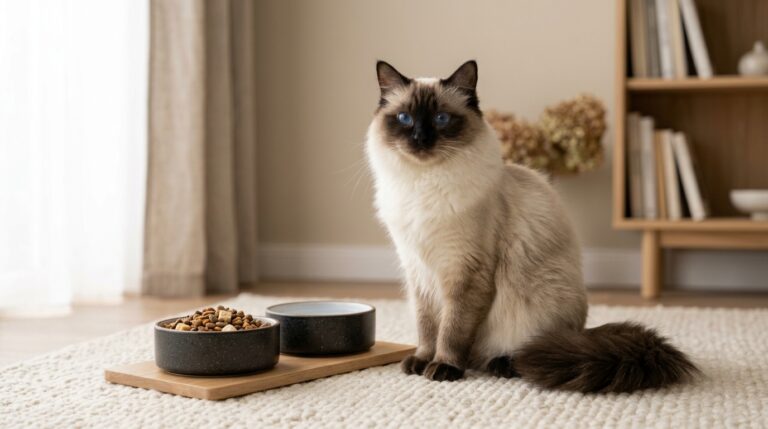
Ragdoll cats are known for their beautiful blue eyes, soft coats, relaxed personalities, and affectionate nature. Their calm temperament makes them popular with families, couples, and individuals looking for a loving companion. But before bringing one home, many people naturally wonder: how long do Ragdoll cats live?
A Ragdoll cat can be a long-term member of the family, and understanding its expected lifespan can help owners prepare for every stage of its life. While no cat comes with a guaranteed number of years, genetics, nutrition, veterinary care, lifestyle, exercise, and the home environment can all influence longevity.
Ragdolls are generally considered a long-lived cat breed when they receive appropriate care. However, individual cats can age differently. Some may remain active and playful well into their senior years, while others may develop health concerns earlier in life.
The good news is that owners can do many practical things to support their Ragdoll’s overall health. A nutritious diet, regular veterinary checkups, appropriate exercise, grooming, dental care, and a safe indoor environment can all contribute to a comfortable and healthy life.
If you are considering adopting a Ragdoll or already share your home with one, learning about its lifespan is more than simply knowing an average number. It is about understanding what your cat needs throughout kittenhood, adulthood, and old age.
How Long Do Ragdoll Cats Live?
So, how long do Ragdoll cats live? A healthy Ragdoll can often live into its early to mid-teens, although lifespan varies from one cat to another. Some may live longer when they benefit from favorable genetics, preventive veterinary care, good nutrition, and a safe lifestyle.
There is no exact age that applies to every Ragdoll. A cat’s genetics may influence its health, while daily care can affect how well it handles the aging process. Environmental factors also matter, particularly whether the cat is exposed to outdoor dangers.
Ragdolls are relatively large cats, and they mature more slowly than many smaller breeds. Their physical development can continue for several years. Once mature, they can remain affectionate and active for a long time when their health needs are properly managed.
It is also important not to think of lifespan as a deadline. Reaching a certain age does not automatically mean that a Ragdoll is unhealthy. Cats can remain comfortable and engaged at different ages, and senior cats can still enjoy playtime, affection, exploration, and family interaction.
Understanding the Ragdoll Cat Lifespan
A cat’s life can be divided into several stages, and each stage brings different needs. Understanding these stages can help owners make better everyday decisions.
During kittenhood, Ragdolls need appropriate nutrition, vaccinations, socialization, and plenty of safe opportunities to play. Their bodies are growing rapidly, so their nutritional and veterinary needs are different from those of an adult cat.
During adulthood, maintaining a healthy weight becomes increasingly important. Regular exercise, balanced nutrition, grooming, dental care, and preventive veterinary visits can become the foundation of a healthy routine.
As Ragdolls enter their senior years, owners may notice gradual changes in activity, sleeping patterns, appetite, grooming habits, or mobility. These changes do not necessarily mean something is wrong, but noticeable changes should be discussed with a veterinarian.
What Can Influence How Long a Ragdoll Cat Lives?
Many factors can influence feline longevity. Some are outside an owner’s control, while others can be managed through everyday care.
Genetics and Family Health
Genetics can play an important role in a cat’s overall health. Responsible breeding practices can help reduce the likelihood of passing certain inherited conditions from one generation to another.
When choosing a Ragdoll kitten, learning about the breeder and asking about health screening can be useful. A responsible breeder should be willing to discuss the health history of the parents and provide appropriate documentation.
However, even excellent breeding cannot guarantee a particular lifespan. Genetics are only one part of the bigger picture.
Nutrition
Nutrition is another major part of lifelong health. Ragdolls need a balanced diet that provides appropriate amounts of protein, fats, vitamins, minerals, and other essential nutrients.
Feeding requirements can change as a cat grows. A kitten may have different nutritional needs from an adult or senior cat, so owners should select food appropriate for the cat’s life stage.
Portion control is also important. Ragdolls are large cats, but being naturally large does not mean they should carry excessive body weight. Maintaining a healthy body condition can help support mobility and overall wellbeing.
Veterinary Care
Regular veterinary care allows potential health problems to be identified earlier. Routine examinations can help monitor weight, teeth, heart health, mobility, skin, coat, and general condition.
Vaccinations and parasite prevention may also be recommended depending on the cat’s lifestyle and veterinary advice.
A cat can appear perfectly normal while developing a health issue, which is one reason preventive care is valuable. Cats are often very good at hiding signs of illness.
Exercise and Mental Stimulation
Exercise helps cats maintain muscle tone and supports a healthy lifestyle. Ragdolls may have a relaxed personality, but that does not mean they should spend every day sleeping without stimulation.
Interactive toys, climbing areas, scratching posts, puzzle feeders, and short play sessions can encourage movement and curiosity.
Mental stimulation is equally valuable. Playing with your cat can provide physical activity while also strengthening the bond between you.
Living Environment
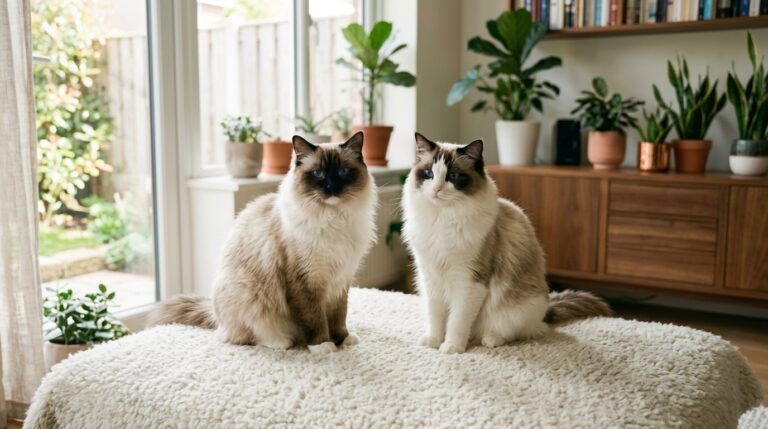
A safe and comfortable home can make a significant difference in a cat’s daily life. Indoor living can reduce exposure to hazards such as traffic, fights with other animals, infectious diseases, and other outdoor risks.
Providing secure windows, comfortable resting areas, clean litter boxes, scratching surfaces, and appropriate toys can create an environment where a Ragdoll feels safe and engaged.
Do Indoor Ragdoll Cats Live Longer?
Indoor living can reduce exposure to many outdoor hazards, which may contribute to a longer and safer life. Outdoor cats can encounter traffic, territorial conflicts, parasites, infectious diseases, toxic substances, and unpredictable environmental conditions.
Keeping a Ragdoll indoors does not automatically guarantee a long life, however. Indoor cats still need appropriate nutrition, exercise, veterinary care, dental attention, grooming, and mental stimulation.
An indoor environment should be designed around the cat’s natural behaviors. Ragdolls need places to rest, climb, scratch, explore, and interact with their owners.
A window perch can give a cat something interesting to watch. A scratching post can provide an appropriate outlet for scratching. Interactive toys can encourage movement and play.
The goal is not simply to keep a Ragdoll inside. The goal is to make indoor life healthy, safe, comfortable, and interesting.
How Nutrition Supports a Ragdoll Cat’s Long-Term Health
Food is one of the most important everyday decisions a cat owner makes. Ragdolls need a nutritionally complete and balanced diet that matches their age, health condition, and lifestyle.
Protein is especially important because cats are obligate carnivores and require nutrients found naturally in animal tissues. However, simply choosing a food with a high protein number is not enough. Overall nutritional balance matters.
Fresh drinking water should always be available. Some cats naturally drink more when water is provided in multiple locations or through a circulating fountain.
Wet food can also contribute to daily water intake, although the best feeding plan depends on the individual cat.
Owners should avoid making sudden dietary changes whenever possible. If a change is necessary, gradually transitioning between foods may make the process easier for the cat’s digestive system.
If your Ragdoll has a medical condition or unusual nutritional needs, a veterinarian can help determine an appropriate feeding strategy.
Maintaining a Healthy Weight
Weight management is particularly important for a large breed such as the Ragdoll. Because these cats naturally have a substantial body frame, owners should focus on body condition rather than simply comparing their weight with another cat.
Excess body weight can put additional stress on joints and may contribute to other health concerns. On the other hand, unexplained weight loss can sometimes indicate an underlying problem.
Regularly monitoring your cat’s weight can help identify gradual changes. Your veterinarian can also assess body condition during routine appointments.
Portion sizes should be based on the cat’s individual needs rather than simply filling the bowl whenever it becomes empty.
Treats can be part of a healthy relationship with your cat, but they should remain a reasonable part of the overall diet.
Exercise Ideas for Ragdoll Cats
Ragdolls may be famous for their relaxed personality, but they still benefit from regular activity.
Interactive play is one of the easiest ways to encourage movement. Wand-style toys, lightweight balls, toy mice, and other safe interactive toys can encourage a cat to chase, pounce, and explore.
Short play sessions throughout the day may work better for some cats than one long session.
Climbing opportunities can also encourage movement. A stable cat tree or appropriately positioned shelves can provide vertical space while giving your Ragdoll another area to explore.
Rotating toys can prevent boredom. Instead of leaving every toy available all the time, owners can introduce different toys on different days.
The key is to make activity enjoyable rather than forcing the cat to exercise.
Veterinary Checkups and Preventive Care
Routine veterinary examinations are an important part of responsible Ragdoll ownership. A veterinarian can monitor changes that may not be obvious at home.
During a checkup, the veterinarian may assess the cat’s weight, teeth, heart, skin, coat, eyes, ears, and general physical condition.
Preventive care can also include vaccinations, parasite prevention, dental care, and other recommendations based on age and lifestyle.
As a Ragdoll gets older, veterinary monitoring can become increasingly valuable. Senior cats may experience changes that develop gradually, and early attention can sometimes make management easier.
Owners should also contact a veterinarian when they notice sudden changes in appetite, drinking, litter-box habits, activity, behavior, breathing, grooming, or weight.
Dental Health Matters Too
Dental care is sometimes overlooked by cat owners, but oral health is an important part of overall wellbeing.
Plaque and tartar can accumulate over time, potentially contributing to gum disease and discomfort. Cats may not always show obvious signs of dental problems.
Regular veterinary dental examinations can help identify issues. At home, owners can ask their veterinarian about appropriate dental-care products and techniques.
A healthy mouth can make eating more comfortable and may support better overall quality of life.
Grooming Your Ragdoll Cat
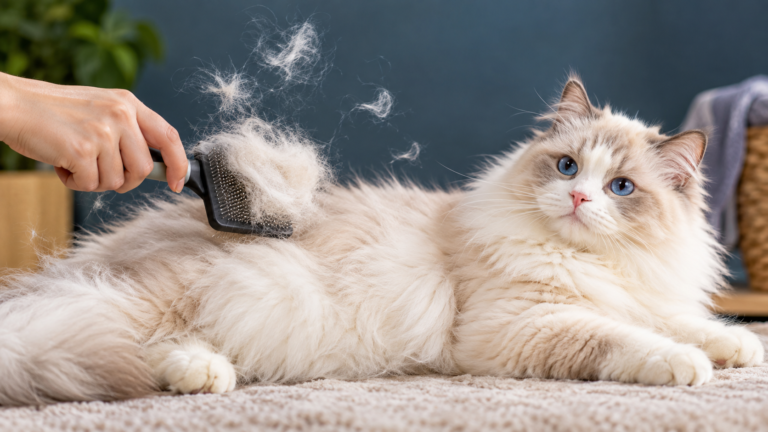
Ragdolls have beautiful semi-long coats that require regular attention. Their soft fur can become tangled or develop mats if grooming is neglected.
Regular brushing can help remove loose hair and reduce tangles. It also gives owners an opportunity to notice changes in the skin or coat.
Grooming can become a pleasant bonding activity when introduced gradually. Many cats become comfortable with brushing when it is gentle and consistent.
Pay particular attention to areas where tangles can develop more easily, including around the neck, behind the legs, and beneath the body.
Ragdolls also benefit from regular nail care and appropriate scratching surfaces.
Common Health Considerations in Ragdoll Cats
Like every cat breed, Ragdolls can experience certain health problems. Knowing what to watch for does not mean that your cat will develop them. It simply helps owners recognize why routine veterinary care is important.
Heart Health
Heart conditions can occur in cats, including inherited conditions. Hypertrophic cardiomyopathy, commonly called HCM, is one condition that has received particular attention in Ragdolls.
Responsible breeders may use health screening programs and genetic testing as part of their breeding practices.
Owners should discuss any concerns about heart health with a veterinarian rather than trying to diagnose a condition at home.
Weight-Related Concerns
Because Ragdolls are large and can have a relaxed temperament, maintaining an appropriate body condition is important.
Regular activity and sensible feeding can help support healthy weight management.
Joint and Mobility Changes
As cats age, changes in mobility can become more noticeable. A senior Ragdoll may become less interested in jumping or climbing.
Owners can make the home easier to navigate by providing comfortable resting spaces and ensuring essential resources are easily accessible.
Dental Problems
Dental disease can affect cats of many breeds. Regular veterinary examinations and appropriate dental care can help maintain oral health.
Ragdoll Cats Through Different Life Stages
Understanding life stages can make it easier to provide age-appropriate care.
Ragdoll Kitten Years
Ragdoll kittens grow and develop gradually. During this period, they need appropriate kitten nutrition, veterinary care, safe socialization, and plenty of opportunities for play.
Kittens are naturally curious, so the home should be made safe before they begin exploring.
Small objects, unsafe plants, electrical cords, and other hazards should be kept away from curious kittens.
Adult Ragdoll Years
Adult Ragdolls often settle into predictable routines. Their personalities become more established, and owners can focus on maintaining healthy habits.
Balanced nutrition, regular exercise, grooming, dental care, and veterinary checkups remain important.
This is also a good time to establish routines that can continue into the senior years.
Senior Ragdoll Years
Senior Ragdolls may gradually become less active. They may sleep more and prefer comfortable resting locations.
Changes in behavior should not automatically be dismissed as normal aging. A noticeable change can sometimes indicate discomfort or an underlying health problem.
Regular veterinary monitoring can help distinguish normal age-related changes from conditions that need attention.
Signs Your Ragdoll Cat May Be Getting Older
Aging is a natural process, and every cat experiences it differently.
You may notice your Ragdoll sleeping more than before. Your cat may also become less interested in intense play or jumping onto high surfaces.
Some senior cats change their grooming habits. Others may become more vocal, more attached to their owners, or more interested in quiet spaces.
Changes in appetite or water consumption are also worth paying attention to.
The important thing is to notice changes from your cat’s normal routine. You know your Ragdoll’s everyday behavior better than anyone, so even subtle differences can be useful information for a veterinarian.
How to Make a Senior Ragdoll Comfortable
Older Ragdolls may appreciate small changes that make everyday life easier.
A soft bed in a quiet area can provide a comfortable place to rest. Food and water should be easy to reach, especially if mobility becomes limited.
Litter boxes should also be accessible without requiring difficult jumps or climbing.
If your cat enjoys climbing but becomes less mobile, consider providing lower-level alternatives. The goal is to allow your senior Ragdoll to continue enjoying familiar activities without unnecessary physical challenges.
Gentle interaction can also be valuable. Some senior cats still enjoy play, but they may prefer slower games and shorter sessions.
Can a Ragdoll Cat Live Longer Than Expected?
Yes, individual Ragdoll cats can live beyond general lifespan expectations. However, it is impossible to guarantee how long a particular cat will live.
Some cats benefit from favorable genetics, excellent preventive care, a safe environment, and consistent nutrition. Others may develop health problems despite receiving excellent care.
Instead of focusing only on reaching a specific age, owners can focus on supporting quality of life throughout every stage.
A healthy lifestyle does not eliminate every health risk, but it can give a cat the best opportunity to remain comfortable and active.
How to Support a Longer, Healthier Life for Your Ragdoll
One of the simplest approaches is to build a consistent routine.
Feed a balanced diet. Keep fresh water available. Encourage daily activity. Brush the coat regularly. Maintain dental care. Keep vaccinations and preventive veterinary care up to date according to professional recommendations.
Pay attention to behavior.
If your Ragdoll suddenly stops playing, eats significantly less, drinks much more than usual, loses weight, changes litter-box habits, or behaves differently, do not assume that the change is simply part of getting older.
A veterinarian can evaluate the situation and determine whether further investigation is needed.
The home environment also matters. Reduce potential hazards, provide comfortable resting places, and give your cat opportunities for play and mental stimulation.
Most importantly, spend time with your Ragdoll. A loving relationship is not measured only by lifespan. The quality of the years you share matters too.
Why Responsible Breeding Can Matter
If you are purchasing a Ragdoll kitten, choosing a responsible breeder can be an important step.
A reputable breeder should care about the health and welfare of the cats they breed. They should be willing to discuss health history, breeding practices, and relevant screening.
Potential owners should be cautious about sellers who avoid health questions or focus entirely on appearance.
A beautiful coat and striking blue eyes are attractive features, but health and welfare should also be considered when selecting a kitten.
Adoption may also be an option for people who are open to welcoming an adult or senior Ragdoll into their home.
Creating a Healthy Daily Routine
A simple routine can help both cats and owners.
Meals can be provided at consistent times when appropriate. Play sessions can become part of the morning or evening routine. Grooming can be scheduled several times a week depending on the coat and individual needs.
Regularly cleaning litter boxes is essential for hygiene and can also help owners notice changes in urine or stool habits.
Keeping track of veterinary appointments can prevent routine care from being forgotten.
These small habits may not seem significant individually, but together they create a supportive environment for long-term wellbeing.
How Much Attention Does a Ragdoll Cat Need?
Ragdolls are often described as affectionate and people-oriented cats. Many enjoy spending time near their owners and may follow family members around the home.
That does not mean every Ragdoll has exactly the same personality. Individual cats can be independent, playful, quiet, social, or highly affectionate.
Providing attention, play, and companionship can help meet their social and mental needs.
If you spend long periods away from home, enrichment becomes especially important. Safe toys, comfortable resting areas, and opportunities to observe the environment can help reduce boredom.
Do Ragdoll Cats Stay Playful as They Age?
Many Ragdolls continue to enjoy play well into adulthood and later life. However, the type and intensity of play may change.
A young Ragdoll may enthusiastically chase toys around the house, while an older cat may prefer gentle games from a comfortable position.
Owners should allow the cat’s age and physical condition to guide activity.
Play should be enjoyable rather than exhausting. If a cat suddenly becomes unwilling to move or play, a veterinary evaluation may be appropriate.
What Makes Ragdoll Cats Special Companions?
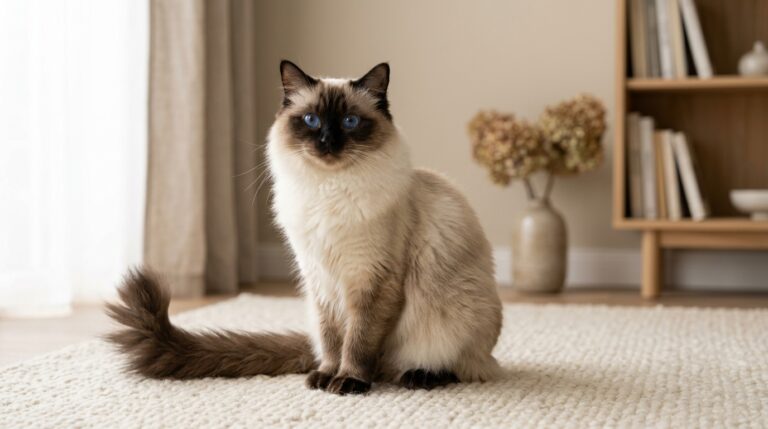
The appeal of a Ragdoll is not only its appearance. These cats are often valued for their affectionate personalities, gentle nature, and distinctive appearance.
Their soft coats and bright blue eyes make them visually striking, while their relaxed behavior can make them wonderful household companions.
Every Ragdoll is still an individual. Some are extremely social, while others prefer quiet companionship.
Their personalities can become even more rewarding as owners learn their habits, favorite sleeping locations, preferred toys, and individual ways of communicating.
FAQs
How long do Ragdoll cats live?
Ragdoll cats can commonly live into their early to mid-teens, although individual lifespan varies. Genetics, nutrition, veterinary care, lifestyle, and environmental factors can all influence longevity.
Is 15 years old considered old for a Ragdoll cat?
A 15-year-old Ragdoll would generally be considered a senior cat. However, age alone does not determine health. Some senior cats remain active and comfortable for years with appropriate care.
What is the oldest age a Ragdoll cat can reach?
There is no guaranteed maximum age for a Ragdoll. Individual cats can live beyond commonly expected ranges, but lifespan varies considerably between individuals.
Do indoor Ragdoll cats live longer?
Indoor living can reduce exposure to outdoor hazards such as traffic, fights, infectious diseases, and some parasites. However, indoor cats still need proper nutrition, exercise, veterinary care, and mental stimulation.
What health problems can affect Ragdoll cats?
Ragdolls can experience various feline health conditions. Heart disease, dental problems, weight-related concerns, and age-related conditions are among the issues owners and veterinarians may monitor.
How can I help my Ragdoll cat live a long life?
Provide balanced nutrition, fresh water, regular exercise, grooming, dental care, routine veterinary examinations, a safe environment, and plenty of mental stimulation. Monitoring changes in behavior can also help identify potential concerns early.
Do Ragdoll cats need regular grooming?
Yes. Their semi-long coats benefit from regular brushing to reduce tangles and mats. Grooming also provides an opportunity to check the skin and coat for unusual changes.
Are Ragdoll cats healthy as they age?
Many Ragdolls can age comfortably, but aging naturally brings increased health considerations. Regular veterinary care and attention to changes in behavior, appetite, weight, mobility, and grooming can help support senior health.
Can a Ragdoll cat live its entire life indoors?
Yes. Ragdolls can live happily indoors when they have a safe and stimulating environment. Indoor cats should have opportunities for exercise, exploration, scratching, play, and social interaction.
Final Thoughts
Understanding how long Ragdoll cats live is an important part of becoming a responsible and prepared cat owner, but lifespan is only one part of the story. A Ragdoll’s individual genetics, nutrition, veterinary care, activity level, living environment, and daily routine can all influence its health and quality of life. While no owner can predict exactly how many years a particular Ragdoll will share with the family, thoughtful care can provide a strong foundation for a healthy and comfortable life.
From the playful kitten stage to the calmer senior years, every period brings its own special moments. Providing balanced nutrition, regular grooming, appropriate exercise, preventive veterinary care, dental attention, and a safe indoor environment can help your companion enjoy those years to the fullest. Just as importantly, paying attention to changes in behavior can help you recognize when your cat may need professional attention.
Ragdolls are cherished for their gentle personalities and affectionate companionship. With patience, consistency, and plenty of love, owners can create an environment where their cats feel secure and valued throughout their lives. The goal is not simply to count the years, but to make each year as comfortable, active, and rewarding as possible.