
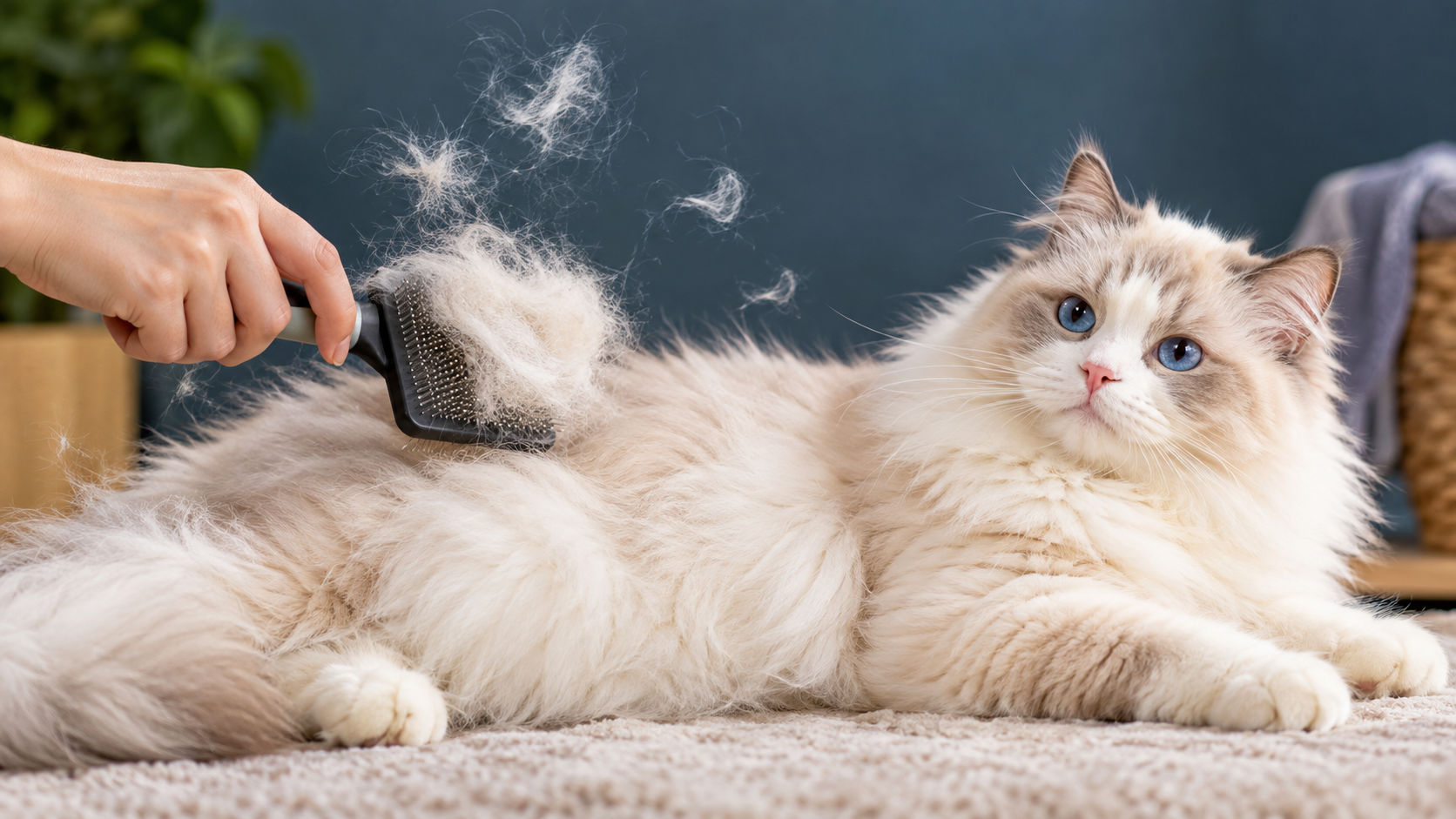
Do Ragdoll Cats Shed? Discover Their Shedding Habits, Grooming Needs, Seasonal Changes & Simple Ways to Keep Their Coats Beautiful
If you have ever admired a Ragdoll cat, you have probably noticed its beautiful, soft, semi-long coat. Their fluffy appearance is one of the things that makes this breed so appealing, but it also leads many future cat owners to ask an important question: do Ragdoll cats shed?
Yes, Ragdoll cats do shed. Like other cats, they naturally lose old or damaged hairs as part of their normal coat cycle. However, the amount of shedding can vary from one Ragdoll to another. Some may leave only a small amount of loose fur around the house, while others can produce noticeably more hair during certain times of the year.
The good news is that Ragdoll shedding is usually manageable with a consistent grooming routine. Their coat may look high-maintenance because of its length, but regular brushing can help remove loose hairs before they end up on furniture, clothing, carpets, and floors.
Understanding why Ragdolls shed, when they shed the most, and how to care for their coat can make life easier for both you and your cat. In this guide, we will explore everything you need to know about Ragdoll cat shedding, from seasonal changes to grooming habits and signs that unusual hair loss may need attention.
Do Ragdoll Cats Shed?
Yes, Ragdoll cats shed naturally. Shedding is a normal biological process that allows cats to remove older hairs and replace them with newer ones. Despite their reputation for having a luxurious coat, Ragdolls are not non-shedding cats.
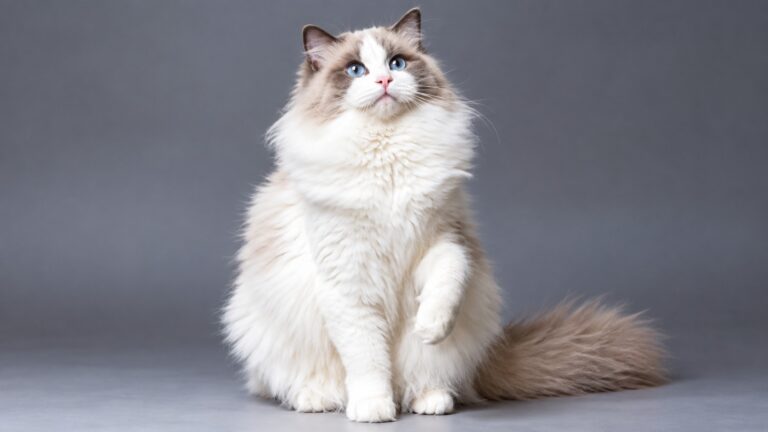
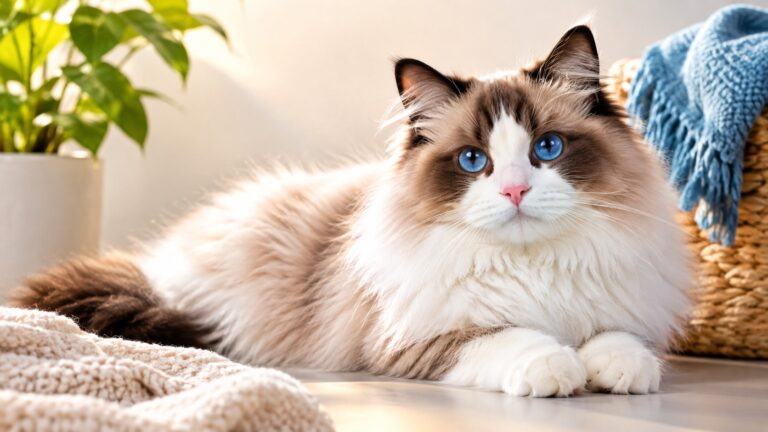
Ragdolls have a semi-long coat that feels soft and silky. Their fur can look especially thick around the neck, chest, legs, and tail. Because their individual hairs are relatively long, loose fur can sometimes be easier to notice than the shorter hairs produced by some other breeds.
However, seeing loose fur does not automatically mean that a Ragdoll is shedding excessively. A certain amount of hair around your home is completely normal for a cat.
The amount of shedding depends on several factors, including genetics, age, health, environment, grooming habits, diet, and whether the cat lives mostly indoors or outdoors. Even two Ragdoll cats living in the same home can have noticeably different shedding patterns.
Why Do Ragdoll Cats Shed?
Shedding is part of a cat’s normal coat-maintenance system. Hair grows, reaches the end of its natural cycle, becomes loose, and eventually falls out. New hairs then take their place.
This process happens throughout the year, although it can become more noticeable during particular seasons.
Natural Hair Growth and Replacement
Every hair has a growth cycle. When an individual hair reaches the end of its cycle, it eventually loosens from the skin. Grooming, movement, scratching, and normal daily activity can then cause the hair to fall away.
Cats also groom themselves frequently. During this process, they remove loose hairs from their coats. Some of those hairs are swallowed, which is one reason grooming and hairballs are connected.
Regular brushing helps remove loose hairs before your Ragdoll has the opportunity to swallow them.
Their Semi-Long Coat Makes Loose Fur Noticeable
One reason Ragdoll shedding may appear significant is simply the length and texture of their coat.
A short-haired cat can shed a similar number of hairs without making the loose fur as visually obvious. Longer hairs tend to collect together on blankets, sofas, clothing, and grooming brushes, making them easier to notice.
This does not necessarily mean that every Ragdoll is a heavy shedder. Coat length and visible fur are not always the same thing as the total amount of hair being lost.
How Much Do Ragdoll Cats Shed?
There is no single amount of fur that every Ragdoll cat sheds. Some Ragdolls have relatively moderate shedding, while others may leave more loose hair around the home.
Their shedding can also change throughout the year.
A Ragdoll that seems to shed very little during one period may produce significantly more loose fur during a seasonal coat change. Indoor cats may have a more consistent shedding pattern because artificial lighting and controlled temperatures can influence their natural seasonal rhythm.
Your cat’s individual coat also matters. Genetics can influence coat density, texture, length, and how noticeable shedding becomes.
Instead of focusing on a specific number of hairs, it is more useful to learn what is normal for your individual cat. If your Ragdoll has always left some fur around the house and otherwise has healthy skin and a full coat, that is generally part of normal cat ownership.
A sudden and dramatic change, however, deserves more attention.
When Do Ragdoll Cats Shed the Most?
Ragdolls can shed throughout the year, but many cats experience periods of heavier shedding as seasons change.
Spring Shedding
Spring can bring a noticeable increase in shedding for many cats. As temperatures become warmer, cats may naturally lose some of the heavier coat they developed during colder months.
During this period, you may find more loose hair on furniture, bedding, and your grooming brush.
Brushing more frequently can make this seasonal change easier to manage. Instead of allowing loose fur to fall throughout the house, you can remove much of it during grooming sessions.
Fall Shedding
Fall can also bring increased shedding. As the weather becomes cooler, cats may adjust their coats in preparation for colder conditions.
You may notice more loose fur during this transition. Again, regular brushing can help keep the coat tidy while reducing the amount of loose hair around your home.
Indoor Ragdolls May Shed Throughout the Year
Modern indoor living can change a cat’s natural seasonal patterns.
Heating, air conditioning, artificial lighting, and relatively stable indoor temperatures mean that an indoor Ragdoll may not follow the same seasonal shedding pattern as a cat living outdoors.
Instead, some indoor Ragdolls shed fairly consistently throughout the year.
That does not necessarily indicate a problem. A steady amount of normal shedding can simply be part of living indoors.
Do Ragdoll Kittens Shed?
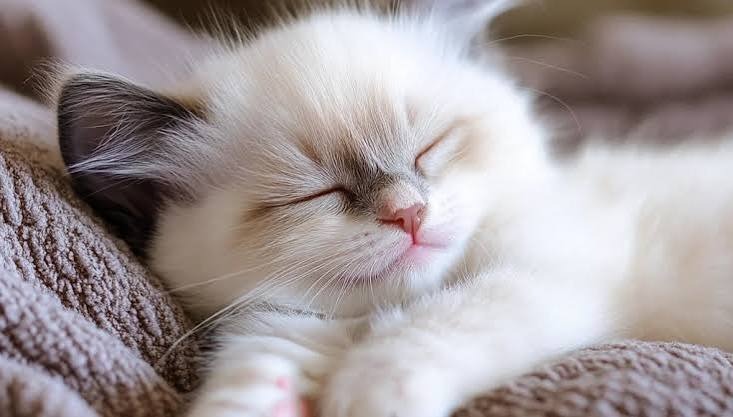
Ragdoll kittens also go through coat changes as they mature.
A kitten’s early coat can change as the cat grows, and its adult coat gradually develops. During this stage, owners may notice differences in texture, length, thickness, or color.
Ragdoll cats can take time to develop their full adult appearance. Their coat and overall physical characteristics continue changing as they mature.
Cats commonly shed more during seasonal changes, especially in spring and fall. Indoor cats can also shed throughout the year because of indoor lighting and environmental conditions. Cat Fanciers’ Association Cat Facts: Shedding
Because kittens are still growing, gentle grooming is especially important. Brushing should be comfortable rather than stressful, and grooming sessions can be kept short while the kitten learns to accept being handled.
Starting positive grooming habits early can make regular coat care much easier when the cat becomes an adult.
How to Manage Ragdoll Cat Shedding
You cannot completely stop a healthy Ragdoll from shedding, and you should not try to eliminate normal shedding.
Instead, the goal is to manage loose fur while keeping the cat’s skin and coat healthy.
The most effective approach is a simple and consistent grooming routine.
Brush Your Ragdoll Regularly
Brushing is one of the easiest ways to manage shedding.
A suitable brush or comb can collect loose hairs before they fall onto your furniture. Regular brushing can also help prevent tangles and mats from becoming established.
How often you brush depends on your individual cat’s coat and tolerance. Some Ragdolls may do well with several brushing sessions each week, while cats that tangle easily may benefit from more frequent attention.
The important thing is consistency.
Brush Gently
Ragdoll coats should be handled gently. Pulling aggressively through knots can be uncomfortable and may make the cat associate grooming with a negative experience.
Start with areas that are easy to brush and gradually work through the coat. Pay attention to places where tangles are more likely to form, such as behind the legs, around the neck, under the body, and near the tail.
If you encounter a difficult mat, avoid repeatedly pulling at it. A professional groomer or veterinarian can advise you on the safest way to handle stubborn mats.
How Often Should You Brush a Ragdoll Cat?
There is no universal schedule that works for every Ragdoll.
A practical routine for many cats is brushing several times a week, with more frequent grooming during periods when shedding increases.
Some cats enjoy brushing and may happily sit through a longer session. Others become impatient after only a few minutes.
It is often better to have short, comfortable grooming sessions than to force a long session that causes stress.
Pay attention to your cat’s coat. If you are regularly finding tangles or mats, you may need to increase the frequency of brushing.
What Is the Best Brush for a Ragdoll Cat?
The best grooming tool depends on your cat’s coat and how easily it tangles.
A wide-toothed comb can be useful for gently working through longer areas of fur. A soft slicker-style brush can help collect loose hairs from the coat.
Some owners use more than one grooming tool, using a brush for general coat care and a comb for areas where the fur tends to become tangled.
Whatever tool you choose, the goal should be to remove loose fur without irritating the skin.
Avoid using grooming equipment aggressively or repeatedly dragging it through the same area. Your Ragdoll’s comfort should always come first.
Can You Reduce Ragdoll Cat Shedding?
You cannot completely prevent normal shedding. Shedding is a natural part of maintaining a healthy coat.
However, you can make it much easier to manage.
Regular brushing is one of the simplest ways to control loose hair. It removes fur before it spreads around your home and can help keep the coat looking neat.
A balanced diet and adequate hydration are also important parts of general feline health. Good nutrition supports normal skin and coat function, although diet should not be treated as a guaranteed solution for ordinary shedding.
If your cat’s shedding suddenly becomes much heavier than usual, the answer is not necessarily to buy a shedding supplement. A change in coat condition can sometimes have an underlying cause, so unusual changes are better discussed with a veterinarian.
Ragdoll Cat Shedding and Mats
Ragdoll cats can develop mats because their coats are longer than those of many short-haired breeds.
A mat forms when loose and existing hairs become tangled together. If mats are left untreated, they can become increasingly difficult to remove.
Regular brushing helps reduce this risk.
Areas That Need Extra Attention
Certain areas may tangle more easily than others.
The fur behind the front legs and around the neck can become tangled because of movement. The area around the hind legs can also require extra attention.
The tail deserves gentle care as well. Its long fur can collect loose hairs and become tangled if it is not brushed regularly.
A quick coat check several times a week can help you identify small tangles before they turn into larger problems.
Do Ragdoll Cats Get Hairballs?
Because Ragdolls have longer coats and groom themselves, they can swallow loose hair during normal self-grooming.
Some swallowed hair passes through the digestive system naturally. In some cats, however, accumulated hair may be brought back up as a hairball.
Regular brushing can reduce the amount of loose fur available for your cat to swallow.
If your cat repeatedly has problems with hairballs, shows signs of discomfort, or experiences other digestive symptoms, speak with a veterinarian rather than assuming that shedding is the only cause.
Ragdoll Cats and Allergies
Another common question is whether Ragdoll shedding makes them suitable for people with cat allergies.
Ragdolls are not considered a truly hypoallergenic cat breed.
Cat allergies are primarily associated with proteins found in substances such as saliva and skin flakes rather than simply the visible hair itself. Since cats groom their coats, allergens can become present on the fur and in the surrounding environment.
Reducing loose hair through brushing and cleaning may help keep the home more manageable, but it does not remove the allergens completely.
Anyone with significant allergies should spend time around cats before deciding whether living with one is practical for them.
How to Keep Your Home Cleaner During Ragdoll Shedding Season
Living with a long-haired cat does not mean your home has to be covered in fur.
A simple cleaning routine can make a noticeable difference.
Vacuuming regularly can remove loose fur from carpets and floors. Washable blankets and covers can protect favorite furniture spots where your cat likes to sleep.
You can also keep a lint roller nearby for clothing and fabric surfaces.
Your Ragdoll’s favorite sleeping areas deserve particular attention because loose hair naturally collects where your cat spends the most time.
Instead of trying to eliminate every strand of fur, focus on creating a routine that keeps loose hair under control.
Does Grooming Help With Ragdoll Shedding?
Yes, regular grooming can make shedding easier to manage.
Brushing removes loose hairs directly from the coat instead of allowing them to fall throughout the home. It can also help you notice changes in your cat’s skin or coat.
Grooming allows you to check for tangles, unusual bumps, irritated areas, or changes in coat texture.
It can also become a bonding activity when introduced gradually and handled gently.
The key is to make grooming predictable and comfortable. A calm routine is usually much more successful than forcing a cat to remain still for an extended period.
Signs Your Ragdoll Cat’s Shedding May Be Unusual
Normal shedding should not usually cause obvious bald patches or significant changes in the skin.
If you notice sudden hair loss, thinning areas, persistent scratching, irritated skin, excessive licking, or changes in the appearance of the coat, it is worth seeking veterinary advice.
There can be many reasons for changes in a cat’s coat. Skin problems, parasites, allergies, stress, nutritional issues, and other health conditions can sometimes affect hair growth or cause excessive grooming.
The important point is not to assume that every unusual change is simply “normal shedding.”
A veterinarian can examine your cat and determine whether further investigation is needed.
Ragdoll Grooming Tips for Beginners
If you are new to caring for a Ragdoll, start with a simple routine rather than trying to do everything at once.
Let your cat become comfortable with the brush. Allow the cat to smell it before beginning. Start with a small area and use gentle movements.
Reward calm behavior with affection or another positive experience your cat enjoys.
As your cat becomes accustomed to grooming, you can gradually work through more of the coat.
Consistency is more valuable than making every grooming session long.
If your Ragdoll regularly develops serious mats that you cannot safely manage, professional grooming or veterinary advice may be appropriate.
Common Mistakes to Avoid When Managing Ragdoll Shedding
One common mistake is waiting until the coat becomes heavily tangled before brushing it.
Another is brushing too aggressively in an attempt to remove as much hair as possible. Grooming should never become painful.
Some owners also assume that bathing frequently will solve shedding. Cats generally do not need frequent baths unless there is a specific reason. Excessive bathing can potentially irritate the skin and is unnecessary for many healthy cats.
It is also important not to use human shampoos or random grooming products on your cat. Products intended for people may not be appropriate for feline skin.
When in doubt, choose products designed specifically for cats and follow veterinary guidance when necessary.
FAQs
Do Ragdoll cats shed a lot?
Ragdoll cats do shed, but the amount varies between individual cats. Their semi-long coat can make loose hair more noticeable, especially during periods of increased shedding.
Do Ragdoll cats shed all year?
Yes. Ragdolls can shed throughout the year. Indoor cats may have a fairly consistent shedding pattern, while some cats experience more noticeable seasonal changes.
Do Ragdoll cats shed more in summer?
Some Ragdolls may shed more as temperatures rise and their coat changes with the season. However, the exact pattern varies between individual cats and living environments.
How often should I brush my Ragdoll cat?
Many Ragdolls benefit from brushing several times per week. Cats that tangle easily or are going through a heavier shedding period may need more frequent grooming.
Are Ragdoll cats hypoallergenic?
No cat breed is completely hypoallergenic, and Ragdolls are not considered a hypoallergenic breed. People with cat allergies may still react to allergens produced by a Ragdoll.
Do Ragdoll kittens shed?
Yes, Ragdoll kittens experience normal coat changes as they mature. Their kitten coat gradually develops into an adult coat, so their appearance and shedding pattern can change during growth.
How can I reduce Ragdoll hair around my house?
Regular brushing, frequent vacuuming, washing bedding, and using washable covers on favorite sleeping areas can help manage loose fur around your home.
Can Ragdoll shedding be completely stopped?
No. Healthy cats naturally shed old hairs. The goal is to manage normal shedding rather than eliminate it.
Do Ragdolls need professional grooming?
Not necessarily. Many Ragdolls can be maintained at home with regular brushing. Professional help can be useful when a coat becomes severely tangled or when an owner is unsure how to manage difficult mats safely.
Final Thoughts
Ragdoll cats do shed, but their beautiful coats do not have to become a source of constant frustration. Like every healthy cat, a Ragdoll naturally loses old hairs as part of its normal coat cycle. Shedding can vary from one cat to another and may become more noticeable during seasonal coat changes.
The simplest way to manage Ragdoll shedding is to build a consistent grooming routine. Regular brushing helps collect loose fur before it spreads throughout the house, while also reducing the chance of tangles and mats. Keeping your cat’s bedding and favorite resting areas clean can make everyday life even easier.
It is also important to understand the difference between normal shedding and unusual hair loss. Sudden bald spots, irritated skin, excessive scratching, or dramatic changes in coat condition should not simply be dismissed as shedding.
With gentle grooming, appropriate nutrition, a clean environment, and regular attention to their overall well-being, Ragdolls can maintain their soft and attractive coats while fitting comfortably into family life. Their shedding is simply one part of caring for this affectionate and distinctive breed.