
What Are Ragdoll Kittens? Complete Guide to Traits, Care & Growth
If you have ever seen a Ragdoll kitten, you may have noticed their beautiful blue eyes, soft coat, gentle expression, and relaxed personality. These kittens are known for developing into large, affectionate cats that often enjoy staying close to their human companions. Their calm nature and attractive appearance have made them one of the most recognized and popular cat breeds among families and cat lovers.
But what are Ragdoll kittens, and what makes them different from other kittens? Ragdoll kittens are young cats belonging to the Ragdoll breed, a large semi-longhaired breed known for its affectionate temperament, striking blue eyes, color-pointed coat, and slow physical development. They are generally social cats that enjoy human companionship and can adapt well to indoor family life when their physical and emotional needs are properly met.
Understanding the breed is important before bringing a Ragdoll kitten into your home. Their beautiful coat requires regular grooming, their bodies continue developing for several years, and their social personality means they often benefit from regular interaction. Proper nutrition, veterinary care, grooming, exercise, and a safe environment all contribute to helping a Ragdoll kitten grow into a healthy adult cat.
What Are Ragdoll Kittens?
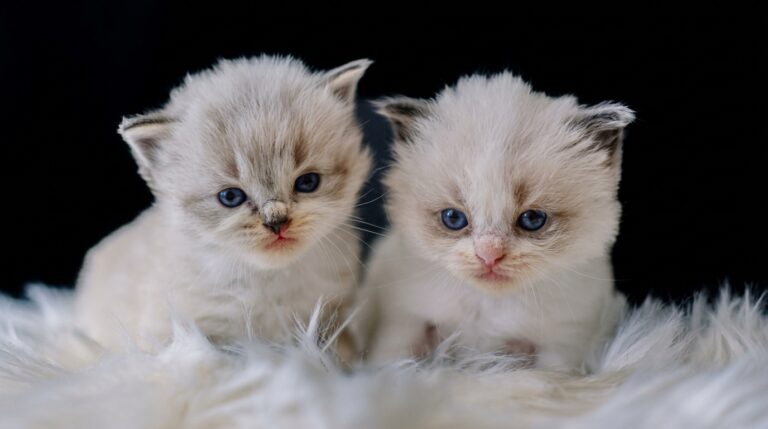
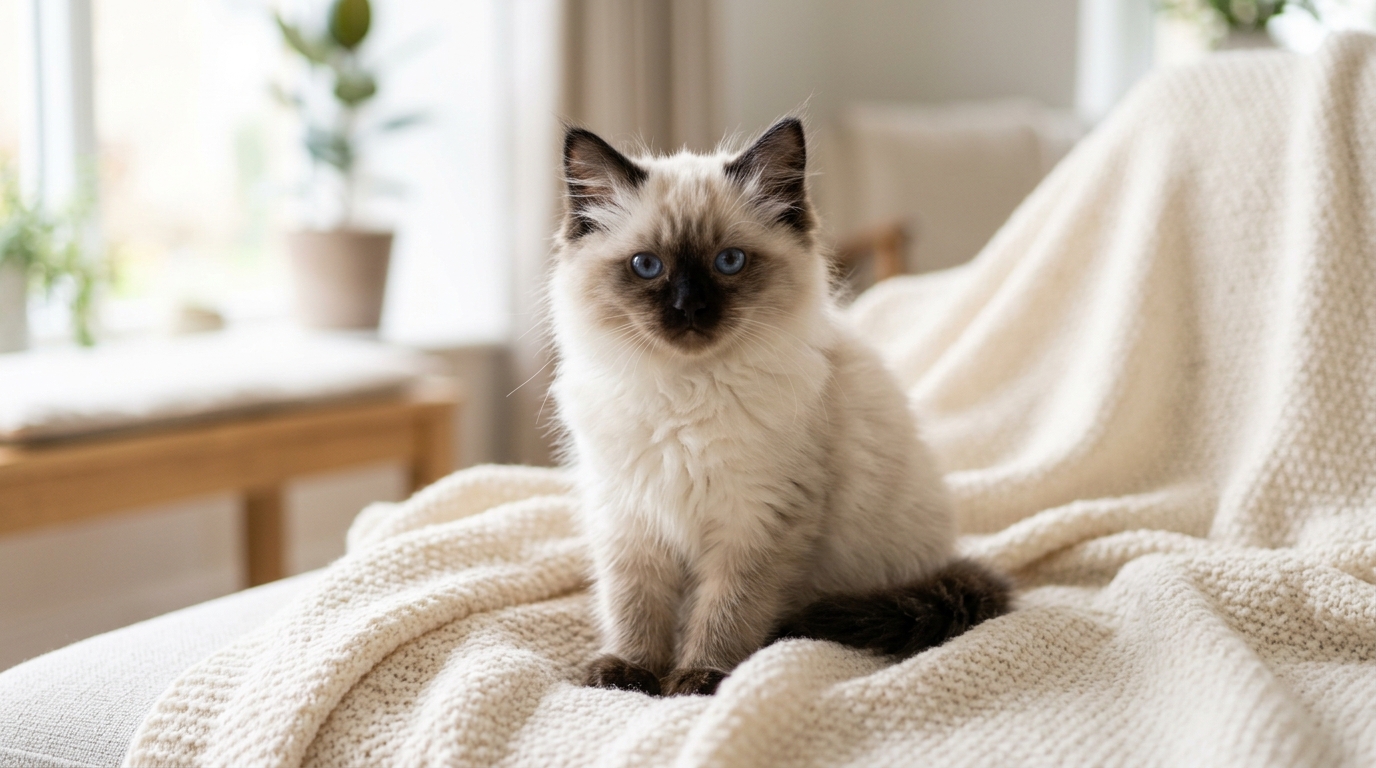
Ragdoll kittens are young Ragdoll cats recognized for their distinctive appearance and gentle personality. The Ragdoll is a large domestic cat breed that has a semi-long coat, blue eyes, and a color-pointed pattern. Ragdoll kittens are usually born with lighter coloring, and their darker points develop gradually as they grow. Their ears, face, legs, and tail typically become more noticeably colored over time.
One of the most important characteristics of Ragdoll kittens is their slow development. Unlike some smaller cat breeds that reach their mature size relatively quickly, Ragdolls can continue growing and filling out for several years. Their long development period contributes to their eventual large size and substantial body structure.
Ragdoll kittens are also recognized for their social nature. They commonly form strong bonds with their human families and often prefer being near people rather than spending long periods completely alone. Their temperament can vary between individual cats, but the breed is generally associated with a calm, affectionate, and easygoing personality.
The name Ragdoll is closely associated with the breed’s relaxed nature. Some Ragdolls become very relaxed when being handled, although individual behavior varies and not every kitten will respond in exactly the same way. Good handling during kittenhood can help a Ragdoll become comfortable with normal household interactions.
What Do Ragdoll Kittens Look Like?
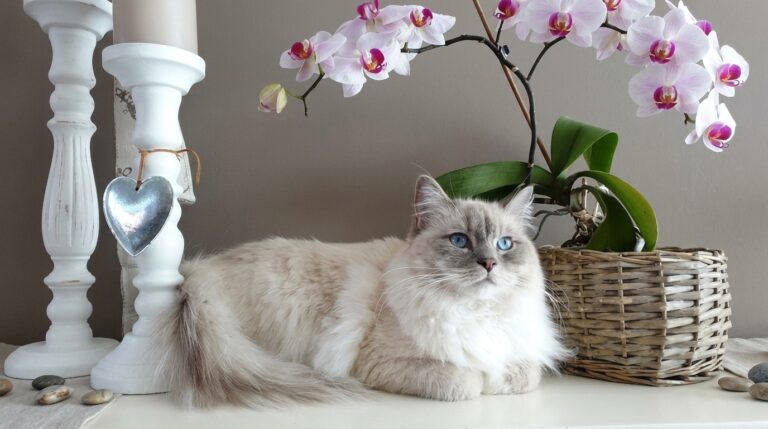
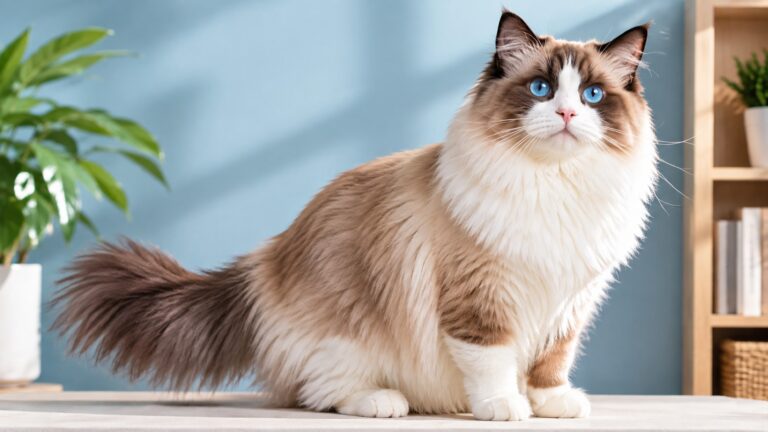
Ragdoll kittens have a distinctive appearance that develops considerably as they mature. They are known for their soft semi-long fur, large bodies, blue eyes, and pointed coloration. Their overall appearance is elegant but substantial, with a muscular body, broad chest, medium-sized ears, and a long tail covered with fluffy fur.
Young Ragdoll kittens may look quite different from mature Ragdolls. Their coat coloration becomes more defined with age, while their bodies gradually become larger and more muscular. Their facial features also become more pronounced as they develop.
The coat is one of the most noticeable characteristics of Ragdoll kittens. It is soft and silky, with a texture that can feel smooth rather than extremely dense. Ragdolls have a semi-long coat, and their fur can become especially impressive around the neck, body, and tail as they mature.
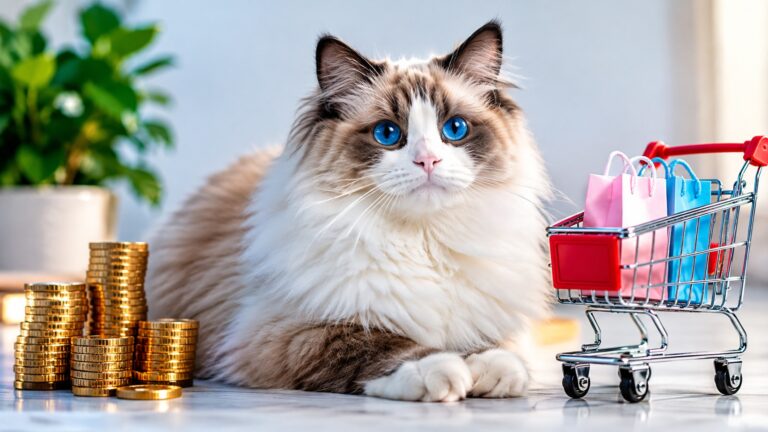
Another defining feature is their blue eyes. Traditional Ragdolls have blue eyes, and eye color can be one of the most recognizable characteristics of the breed. Their eyes can create a strong contrast with their facial markings and contribute significantly to the breed’s distinctive appearance.
Ragdoll Kitten Coat Colors and Patterns
Ragdoll kittens can have different coat colors and patterns, which means individual kittens can look quite different from one another while still belonging to the same breed. The pointed pattern is a fundamental characteristic of Ragdoll coloration. This means the ears, face, legs, and tail are generally darker than the main body.
Common Ragdoll color variations include seal, blue, chocolate, lilac, red, and cream, depending on the recognized breed standard and registry. Their patterns can also vary, including colorpoint, mitted, and bicolor patterns.
The colorpoint pattern features darker points on the extremities without white markings on the paws. Mitted Ragdolls have darker points combined with white areas on their paws and often other parts of the body. Bicolor Ragdolls have a distinctive distribution of white and darker coloration that creates a different overall appearance.
Ragdoll kittens are generally born with lighter coats because their temperature-sensitive coloration develops after birth. As they grow, their cooler body areas gradually develop darker coloration. This means the appearance of a young kitten can change noticeably during the first stages of life.
What Is the Personality of Ragdoll Kittens?
The personality of Ragdoll kittens is one of the major reasons people are attracted to this breed. Ragdolls are generally known for being affectionate, social, calm, and people-oriented. They often enjoy staying near their owners and may follow family members around the home.
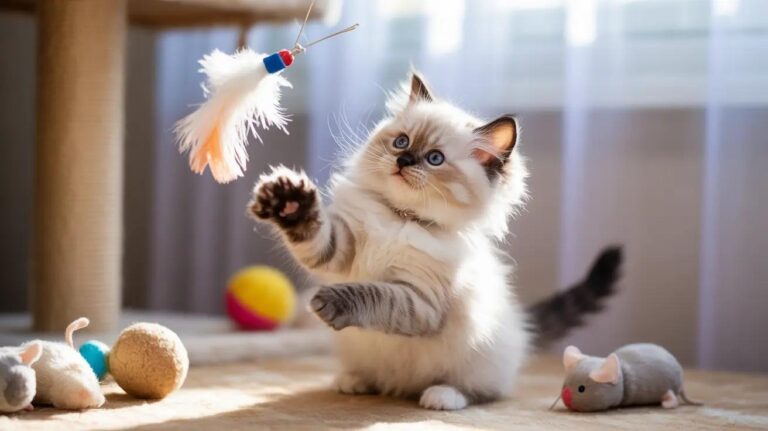
A Ragdoll kitten can be playful and energetic, especially during the early stages of life. Although adult Ragdolls are often described as relaxed, kittens still need opportunities to explore, play, climb, chase toys, and develop their physical coordination.
Their social nature means that regular interaction can be important. A Ragdoll kitten may enjoy gentle petting, interactive play, and simply being in the same room as its family. However, every kitten has its own personality, so owners should allow the kitten to develop confidence at its own pace.
Ragdolls are not typically considered an aggressive breed. Their generally gentle temperament can make them appealing to households looking for a companionable indoor cat. Proper socialization, respectful handling, and a stable environment can further support positive behavior.
Are Ragdoll Kittens Affectionate?
Ragdoll kittens are generally considered affectionate cats. They often enjoy human companionship and may seek attention from family members. Some may sit beside their owners, sleep nearby, or follow people from one room to another.
Their affectionate nature does not mean every Ragdoll kitten wants constant physical contact. Individual preferences matter. Some kittens may enjoy being held, while others prefer sitting beside their owners or receiving attention while remaining on the floor.
Building trust is important. A kitten that receives gentle and respectful handling can become more comfortable with people over time. Avoiding forced interactions allows the kitten to associate human contact with safety and positive experiences.
How Big Do Ragdoll Kittens Get?
Ragdolls are one of the larger domestic cat breeds. A Ragdoll kitten may look relatively small during the first months of life, but its body can continue growing for a long time. Adult males are generally larger than females, although individual size varies.
The growth process involves more than simply gaining weight. The kitten’s skeleton, muscles, chest, head, and overall body structure continue developing as it matures. Because Ragdolls have a long growth period, owners should focus on steady development rather than expecting rapid changes.
A healthy growth pattern depends on genetics, nutrition, overall health, activity, and veterinary care. Regular veterinary visits can help monitor whether a kitten is developing appropriately.
It is important not to overfeed a Ragdoll kitten simply because the breed is expected to become large. Excess weight during development can place unnecessary stress on growing joints and affect overall health. A balanced diet and appropriate feeding routine are more important than trying to make a kitten grow as quickly as possible.
How Long Does It Take for Ragdoll Kittens to Grow?
Ragdolls mature more slowly than many other cat breeds. They may continue developing physically for several years before reaching their full adult size and body condition.
During the first year, a Ragdoll kitten goes through significant physical and behavioral changes. The kitten becomes more coordinated, develops stronger muscles, and gradually takes on the appearance of an adult cat. Growth does not necessarily stop after the first year.
The long maturation period is an important part of understanding what Ragdoll kittens are and how their development differs from smaller breeds. Patience is necessary because the adult appearance of a Ragdoll develops gradually.
How Do You Care for Ragdoll Kittens?
Caring for Ragdoll kittens involves meeting their nutritional, grooming, veterinary, physical, and emotional needs. Because they are social and relatively large cats, their environment should provide enough space for movement, play, rest, and exploration.
A safe indoor environment can protect a kitten from many outdoor hazards. Secure windows, safe furniture, appropriate scratching surfaces, clean litter areas, and interactive toys can all contribute to a comfortable home.
Ragdoll kittens also need regular human interaction. Spending time playing with them and allowing them to participate in normal household life can support their social development.
Routine is also valuable. Consistent feeding, grooming, play, and sleeping arrangements can help kittens become comfortable with their environment. Sudden changes can sometimes create stress, particularly for young cats that are still adapting to a new home.
What Do Ragdoll Kittens Eat?
Nutrition plays an important role in the growth of Ragdoll kittens. Because they are developing rapidly during kittenhood and continue growing for a long period, they need food formulated to support healthy development.
A complete and balanced kitten diet should provide appropriate levels of protein, fats, vitamins, minerals, and other essential nutrients. The specific food and feeding amount should take into account the kitten’s age, size, activity level, and health.
Fresh drinking water should always be available. Hydration is important for overall health, and clean water should be replaced regularly.
Feeding schedules can change as kittens grow. Young kittens may need multiple meals throughout the day, while older kittens can gradually transition toward a different feeding routine. Veterinary guidance can help determine appropriate portions and dietary requirements.
Owners should also monitor body condition rather than relying only on a scale. A kitten that is gaining weight too quickly or too slowly may require an adjustment in feeding or a veterinary assessment.
How Often Should Ragdoll Kittens Be Groomed?
Ragdoll kittens have semi-long fur, so grooming is an important part of their routine. Regular brushing helps remove loose hair, reduce tangles, and keep the coat looking healthy.
Young kittens should gradually become comfortable with grooming. Short, gentle brushing sessions can help them learn that grooming is a normal part of life. Starting slowly can make future grooming easier.
Areas around the neck, behind the legs, and along the body can be more likely to develop tangles. Regular attention to these areas can help prevent mats from becoming difficult to remove.
Grooming should also include routine attention to nails, ears, and teeth. Dental care is especially important because oral health can affect a cat’s overall well-being. A veterinarian can provide guidance about appropriate dental products and techniques.
Do Ragdoll Kittens Shed?
Ragdoll kittens can shed, although the amount of shedding varies according to the individual cat, season, coat condition, and environment. Their semi-long coat means loose hair can become noticeable around the home.
Regular brushing can help remove loose fur before it ends up on furniture and clothing. It can also help prevent excessive tangling and keep the coat in better condition.
Seasonal changes may influence shedding. Some cats lose more loose hair during certain periods of the year. A consistent grooming routine can make these changes easier to manage.
If shedding suddenly becomes excessive or is accompanied by bald patches, skin irritation, excessive scratching, or changes in coat quality, veterinary advice is appropriate.
Are Ragdoll Kittens Good Family Pets?
Ragdoll kittens can adapt well to family environments when their needs are properly met. Their generally social and gentle temperament can make them suitable companions for households that have enough time to provide attention, care, and interaction.
Families with children should teach children how to handle kittens respectfully. Young cats are delicate, and rough handling can cause fear or accidental injury. Children should learn to allow the kitten to approach voluntarily and should avoid pulling the kitten’s tail, ears, or fur.
Ragdolls can also live with other pets, but introductions should be gradual. A new kitten needs a safe space where it can retreat while becoming familiar with new smells, sounds, and animals.
The personality of each kitten remains important. Breed characteristics can provide general expectations, but individual temperament is influenced by genetics, socialization, environment, and early experiences.
Are Ragdoll Kittens Easy to Train?
Ragdoll kittens can learn household routines with patience and positive reinforcement. Litter training is usually an important early part of settling a kitten into a new home.
A clean and easily accessible litter box can encourage good habits. The litter area should be located somewhere quiet enough for the kitten to feel comfortable while remaining easy to access.
Ragdolls can also learn to use scratching posts and interact appropriately with toys. Redirecting unwanted scratching toward suitable scratching surfaces is generally more effective than punishment.
Training should remain calm and consistent. Cats do not respond well to harsh treatment, and punishment can damage trust. Positive reinforcement can encourage behaviors that owners want to see repeated.
What Health Problems Can Ragdoll Kittens Have?
Like all cat breeds, Ragdolls can be affected by certain health conditions. Responsible breeding, appropriate veterinary care, good nutrition, and regular monitoring can help support long-term health.
One condition associated with Ragdolls is hypertrophic cardiomyopathy, a heart disease involving thickening of the heart muscle. Genetic testing for known Ragdoll-associated mutations can be part of responsible breeding practices, although genetic testing does not eliminate every possible health risk.
Ragdoll kittens can also experience ordinary kitten health concerns, including parasites, infections, digestive problems, dental issues, and injuries. Regular veterinary examinations can help identify problems early.
Vaccinations, parasite prevention, appropriate nutrition, and routine health checks are important parts of kitten care. Owners should contact a veterinarian if a kitten shows persistent changes in appetite, energy, breathing, digestion, urination, or behavior.
Why Veterinary Care Matters for Ragdoll Kittens
Veterinary care is an important part of raising a healthy Ragdoll kitten. Young cats require appropriate vaccinations, health examinations, parasite management, and monitoring during their development.
A veterinarian can assess the kitten’s weight, body condition, teeth, eyes, ears, heart, coat, and overall development. These examinations provide an opportunity to identify concerns before they become more serious.
Owners should also discuss spaying or neutering, nutrition, dental care, parasite prevention, and future health monitoring with their veterinarian.
Keeping accurate veterinary records can be helpful throughout the kitten’s life. Information about vaccinations, treatments, health conditions, and previous examinations can support better ongoing care.
When Do Ragdoll Kittens Change Color?
Ragdoll kittens are born with relatively light coloration, and their darker points develop as they grow. This happens because the pigment-producing process in their fur is influenced by temperature.
The cooler areas of the body, such as the ears, face, legs, and tail, generally develop darker coloration than warmer areas. As a result, the coat gradually becomes more visibly pointed.
Color development continues during kittenhood and can change as the cat matures. Environmental temperature and genetics both influence how the coloration develops.
This gradual color development is one reason Ragdoll kittens can look noticeably different at different ages. Their adult appearance may not be fully visible during the earliest stages of kittenhood.
How Social Are Ragdoll Kittens?
Ragdoll kittens are generally social cats that enjoy interaction with people. They may follow family members, stay nearby during household activities, or seek attention when they want companionship.
Their social personality means owners should consider how much interaction they can realistically provide. A kitten needs play, mental stimulation, affection, and opportunities to explore.
Interactive toys can help satisfy natural hunting and play behaviors. Regular play sessions can also provide physical activity and help prevent boredom.
Although companionship is important, kittens also need quiet periods. A comfortable resting area allows them to sleep and recharge without being disturbed.
Do Ragdoll Kittens Need Exercise?
Ragdoll kittens need regular physical activity even though the breed is known for a calm adult temperament. Kittenhood is a period of physical development, coordination, curiosity, and exploration.
Play can help strengthen muscles and improve coordination. Toys that encourage chasing, batting, climbing, and problem-solving can provide useful stimulation.
A safe cat tree or climbing structure can give a kitten opportunities to move vertically. Scratching posts can support natural scratching behavior while protecting household furniture.
Exercise should be appropriate for the kitten’s age and physical ability. Young kittens should not be pushed into excessive activity, and owners should provide opportunities for rest between play sessions.
How Can You Keep a Ragdoll Kitten Mentally Stimulated?
Mental stimulation is just as important as physical activity. Ragdoll kittens are curious animals that benefit from opportunities to explore their surroundings and interact with different forms of enrichment.
Puzzle-style feeding toys, interactive play, safe climbing areas, scratching surfaces, and rotating toys can help maintain interest. Changing available toys periodically can prevent the environment from becoming predictable.
Human interaction also provides mental stimulation. Gentle play and supervised exploration allow kittens to learn about their environment while building confidence.
A stimulating environment should still be safe. Small objects, toxic plants, exposed electrical wires, open windows, and other household hazards should be kept away from curious kittens.
Can Ragdoll Kittens Live Indoors?
Ragdoll kittens can live successfully as indoor cats. An indoor lifestyle can reduce exposure to traffic, predators, infectious diseases, fights, and other outdoor dangers.
Indoor cats still need enrichment. Simply keeping a kitten inside is not enough if the environment does not provide opportunities for play, exploration, scratching, climbing, and social interaction.
A well-designed indoor environment can include comfortable sleeping areas, litter boxes, scratching posts, toys, climbing structures, and safe observation points.
Owners should also make sure windows and balconies are secure. Young kittens can be surprisingly agile and curious, so household safety should be considered carefully.
How Do You Choose a Healthy Ragdoll Kitten?
Choosing a Ragdoll kitten should involve more than looking at appearance. Health, temperament, breeding practices, socialization, and veterinary documentation are all important factors.
A healthy kitten should generally appear alert, active, and appropriately curious. The eyes should be clear, the coat should be reasonably clean, and the kitten should not show obvious signs of illness.
Potential owners should ask about health screening, vaccination records, parasite treatment, veterinary examinations, and the health history of the parents. Responsible breeders should be willing to provide relevant information about their breeding program.
The environment where kittens are raised can also tell you a great deal. Clean surroundings, appropriate socialization, healthy adult cats, and attentive care are important indicators of responsible kitten raising.
If you want to learn more about the breed’s official characteristics, temperament, coat patterns, grooming needs, and development, the International Cat Association (TICA) provides detailed information about Ragdolls. TICA describes Ragdolls as large, affectionate, semi-longhaired cats with blue eyes and a generally relaxed personality. The organization also provides information about their different coat patterns, grooming requirements, activity needs, health considerations, and gradual maturation. Checking an established cat association can be helpful when researching what are Ragdoll kittens and understanding the breed beyond appearance. You can also consult the Cat Fanciers’ Association (CFA) for additional information about Ragdoll breed characteristics, physical features, personality, grooming, and responsible breeding considerations.
How Much Do Ragdoll Kittens Cost?
The price of a Ragdoll kitten can vary considerably depending on location, breeder, pedigree, registration, health screening, coat characteristics, and whether the kitten is being sold as a companion or for breeding purposes.
The initial purchase price is only one part of the financial responsibility. Owners should also consider food, litter, veterinary examinations, vaccinations, grooming supplies, toys, scratching equipment, carriers, and other household necessities.
Long-term cat ownership requires a financial commitment. Planning for routine care as well as unexpected veterinary expenses can help owners provide better care throughout the cat’s life.
Price alone should not be the only consideration when choosing a kitten. Health, ethical breeding practices, socialization, and appropriate documentation are important parts of the decision.
What Makes Ragdoll Kittens Unique?
Ragdoll kittens are distinctive because of the combination of their appearance, size, temperament, and gradual development. Their blue eyes, pointed coat pattern, soft semi-long fur, and large adult size make them visually recognizable.
Their social personality also contributes to their popularity. Many Ragdolls enjoy staying close to their owners and participating in household life.
Another unique feature is their long maturation period. Their bodies continue developing for considerably longer than many smaller breeds, so owners need to understand that a kitten may not reach its final appearance quickly.
The breed’s characteristics make Ragdoll kittens appealing to many cat lovers, but their needs should be understood before ownership. Their beautiful coat, social nature, and large adult size all require appropriate care and commitment.
Ragdoll Kittens and Responsible Ownership
Responsible ownership begins with understanding the breed and recognizing that a kitten is a long-term commitment. A Ragdoll kitten needs appropriate food, veterinary care, grooming, exercise, mental stimulation, and companionship.
Owners should create a safe environment before bringing a kitten home. Preparing food, litter, bedding, scratching surfaces, toys, grooming supplies, and a secure carrier can make the transition easier.
Socialization should happen gradually and positively. New experiences should be introduced in a controlled manner so the kitten can build confidence without becoming overwhelmed.
Responsible ownership also includes making decisions about sterilization, veterinary care, identification, and long-term health monitoring. A Ragdoll kitten depends entirely on its owner for protection and proper care.
FAQs
What are Ragdoll kittens known for?
Ragdoll kittens are known for their blue eyes, color-pointed semi-long coats, large adult size, affectionate nature, and generally calm temperament. They are also known for their slow physical development and strong tendency to form close relationships with their human companions.
Are Ragdoll kittens friendly?
Ragdoll kittens are generally considered friendly and social. They often enjoy human interaction and may stay close to family members. However, individual personalities vary, so each kitten should be allowed to develop its own preferences.
Do Ragdoll kittens have blue eyes?
Yes. Blue eyes are a defining characteristic of the Ragdoll breed. Their blue eyes can vary somewhat in intensity, but Ragdolls are recognized for their blue-eyed appearance.
Are Ragdoll kittens high maintenance?
Ragdoll kittens require regular care, particularly grooming, nutrition, veterinary attention, and social interaction. Their semi-long coat needs consistent maintenance, while their social personality means they can benefit from regular companionship and stimulation.
Do Ragdoll kittens like to be held?
Some Ragdoll kittens enjoy being held, while others prefer sitting beside their owners or remaining on the ground. Individual personality matters. Handling should always be gentle and respectful, especially while the kitten is becoming comfortable in a new environment.
Are Ragdoll kittens good with children?
Ragdoll kittens can live successfully with children when interactions are supervised and children are taught how to handle animals gently. Young children should understand that kittens need rest and should never be pulled, squeezed, chased, or handled roughly.
Do Ragdoll kittens need a lot of grooming?
Ragdoll kittens benefit from regular grooming because their semi-long coat can develop tangles and collect loose hair. Establishing a gentle grooming routine during kittenhood can make coat care easier as the cat grows.
Can Ragdoll kittens live indoors?
Yes. Ragdoll kittens can live comfortably indoors when they have a safe, stimulating environment. Indoor living should include appropriate play, climbing opportunities, scratching surfaces, comfortable resting spaces, and regular human interaction.
How long do Ragdoll kittens take to mature?
Ragdolls mature relatively slowly and can continue developing physically for several years. Their large adult body size and mature appearance may take considerably longer to develop than those of many smaller cat breeds.
Are Ragdoll kittens easy to care for?
Ragdoll kittens can be manageable pets when owners understand their needs. They require appropriate nutrition, regular grooming, veterinary care, safe housing, exercise, mental stimulation, and companionship.
Conclusion
Understanding what are Ragdoll kittens involves looking beyond their beautiful appearance. These kittens belong to a large, slow-maturing breed known for blue eyes, pointed coloration, soft semi-long fur, and a generally affectionate and social personality. Their distinctive appearance develops gradually, meaning a young kitten can change considerably as it grows.
Ragdoll kittens require thoughtful care from the beginning. A balanced diet supports healthy development, regular grooming keeps their coat in good condition, and veterinary care helps monitor their health throughout kittenhood. They also benefit from safe indoor surroundings, regular play, mental stimulation, and positive social interaction.
Their gentle reputation and attractive appearance have made Ragdolls popular among cat lovers, but individual personality should always be respected. Not every kitten behaves in exactly the same way, and responsible owners should focus on building trust rather than expecting a particular behavior.
With proper nutrition, grooming, veterinary attention, enrichment, and companionship, Ragdoll kittens can grow into healthy and affectionate adult cats. Understanding their development and care requirements is the first step toward providing the stable, safe, and loving environment they need throughout their lives.