Why Are Ragdoll Cats Called Ragdolls? Fascinating Origin Explained
Ragdoll cats are among the most recognizable and beloved cat breeds in the world, but their name is perhaps one of the most interesting things about them. The question why are Ragdoll cats called Ragdolls has a simple connection to their famous relaxed behavior. When some Ragdoll cats are picked up and held, they may become extremely relaxed and allow their bodies to rest comfortably in the arms of their owners. This behavior reminded people of a soft rag doll that could be picked up and carried without resisting. Over time, the comparison became closely associated with the breed, eventually giving these cats the name Ragdoll.
The name is not simply a reference to their soft appearance or long coat. It is mainly connected to their characteristic temperament and the way some individuals may relax when handled. However, it is important to understand that not every Ragdoll cat becomes completely limp when picked up. Like all cats, Ragdolls have individual personalities, preferences, and comfort levels. Their famous relaxed behavior is a breed tendency rather than a rule that applies to every cat.
The story behind the Ragdoll name is also connected to the history of the breed itself. Ragdolls were developed in the United States during the 1960s, and the breed became known for its large size, striking blue eyes, soft coat, affectionate personality, and calm temperament. As the breed gained recognition, the unusual name helped make it distinctive among other cat breeds.
Why Are Ragdoll Cats Called Ragdolls?
The main reason Ragdoll cats are called Ragdolls is their tendency to become relaxed when they are picked up or held. A relaxed Ragdoll may allow its body to rest against a person’s arms instead of immediately trying to escape. This characteristic created an association with a soft rag doll that could be lifted and carried easily.
The behavior became an important part of the breed’s identity. Ragdoll cats are generally known for being gentle, affectionate, and people-oriented. Their calm nature can make them appear especially comfortable with human interaction. When combined with their tendency to relax during handling, this created the distinctive image that inspired the name Ragdoll.
The word “ragdoll” itself describes a simple cloth doll traditionally made from pieces of fabric. Such a doll has a soft and flexible body and does not hold itself upright like a rigid toy. The comparison was therefore particularly suitable for a cat that could sometimes relax its muscles and allow its body to rest naturally when being held.
The name should not be interpreted literally. Ragdoll cats are not lifeless or incapable of movement when picked up. They are active animals with normal feline instincts, and they can jump, run, play, climb, and explore. The name describes a particular behavioral characteristic rather than their overall physical condition.
The Fascinating History Behind the Ragdoll Name
Understanding the name Ragdoll requires looking at the history of the breed. The Ragdoll breed originated in California in the 1960s through the breeding work of Ann Baker. She developed a distinctive type of cat that combined several qualities she wanted to preserve, including a large body, beautiful appearance, gentle temperament, and relaxed nature.
Ann Baker played a major role in establishing the early Ragdoll breed. The cats she worked with developed a reputation for being unusually calm and affectionate. Their relaxed behavior became one of the characteristics that helped distinguish them from many other cats.
As the breed developed, the name Ragdoll became associated with these cats because of their tendency to relax when handled. The name was memorable and directly connected to one of the traits people noticed in them. It eventually became the official breed name used by cat organizations and breeders.
The early history of the breed includes a mixture of documented breeding development and stories that have circulated among Ragdoll enthusiasts. Because some historical claims about the breed have been repeated for decades, it is useful to separate the central facts from later legends. The most important point is that the Ragdoll name became established during the early development of the breed and was connected to its relaxed behavior.
How Did Ann Baker Influence the Ragdoll Breed?
Ann Baker is an important figure in the history of Ragdoll cats. She was a breeder in Riverside, California, who worked with cats that eventually became the foundation of the Ragdoll breed. Her breeding program focused on producing cats with distinctive physical characteristics and a gentle temperament.
The cats associated with the early Ragdoll breeding program attracted attention because of their large size, beautiful appearance, and unusually relaxed personalities. Baker recognized that these characteristics could form the basis of a distinctive new breed.
The name Ragdoll became part of this development because the cats could display a relaxed response when being held. Their behavior helped create a strong identity for the new breed, and the name was unusual enough to make people curious about these cats.
Over time, the Ragdoll breed became more widely recognized, and breeders continued developing the characteristics associated with it. Although modern Ragdolls may differ somewhat from the earliest cats in appearance and personality, the original association between the name and their relaxed temperament remains an important part of their history.
Do Ragdoll Cats Really Go Limp When Picked Up?
One of the most common questions about the breed is whether Ragdoll cats really go limp when someone picks them up. The answer is that some Ragdolls do become very relaxed when held, but the behavior varies from cat to cat.
A relaxed Ragdoll may allow its body to rest naturally against the person holding it. Instead of immediately struggling or attempting to escape, the cat may remain comfortable in the person’s arms. This is the behavior that contributed to the breed’s famous name.
However, going limp is not a requirement for being a Ragdoll. A healthy Ragdoll can remain alert and active while being held. Some may prefer to keep their paws under their bodies, while others may want to return to the floor quickly. Individual temperament, age, socialization, previous experiences, and the situation can all influence how a cat reacts to being handled.
It is also important not to assume that every Ragdoll enjoys being picked up. A cat can be affectionate and still dislike being carried. Respecting the animal’s body language is essential. If a Ragdoll becomes tense, tries to escape, moves its tail rapidly, flattens its ears, or shows other signs of discomfort, it should be allowed to move away.
Is the Ragdoll Name Based on Personality?
Yes, the Ragdoll name is strongly connected to the breed’s characteristic temperament. Ragdolls are generally recognized for being gentle, calm, and affectionate. These traits contribute to the impression that they are easygoing companions.
The breed’s personality can be one of its most appealing qualities. Ragdolls often enjoy spending time near people and may follow their owners around the home. They can form strong social bonds and frequently seek human attention without displaying the same level of independence associated with some other cat breeds.
Their relaxed nature does not mean that Ragdolls are inactive. They still need opportunities to play, climb, explore, and exercise. A calm personality and an active lifestyle can exist together. A Ragdoll can spend part of the day relaxing with its family and another part engaging in normal feline activities.
The name therefore reflects one side of their personality rather than describing everything about them. Ragdolls can be playful, curious, intelligent, and energetic while also being remarkably relaxed in familiar situations.
What Makes Ragdoll Cats Different From Other Cats?
Ragdoll cats have several characteristics that make them distinctive. Their large size is one of the most noticeable features. Adult Ragdolls are generally considered a large cat breed, and males are often substantially heavier than females.
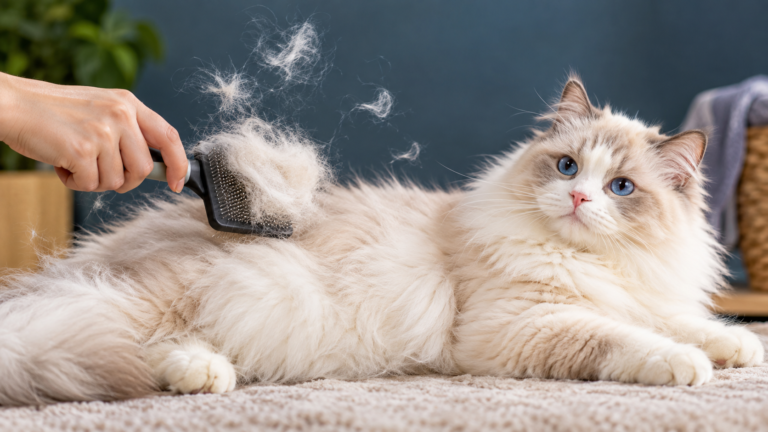
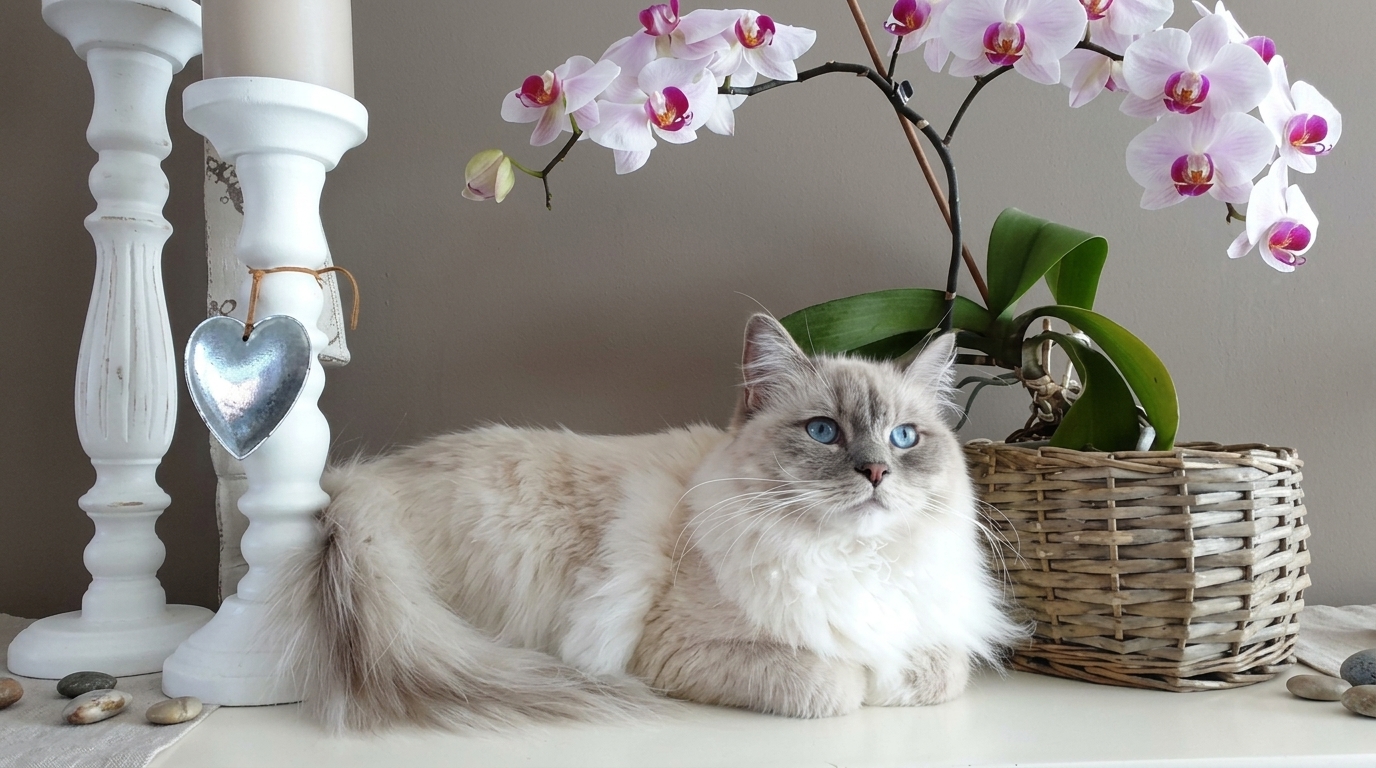
Their coat is another important characteristic. Ragdolls have semi-long fur with a soft texture. Their coats can appear especially luxurious because of their length and density. Regular grooming helps keep the coat healthy and reduces the chance of mats and tangles.
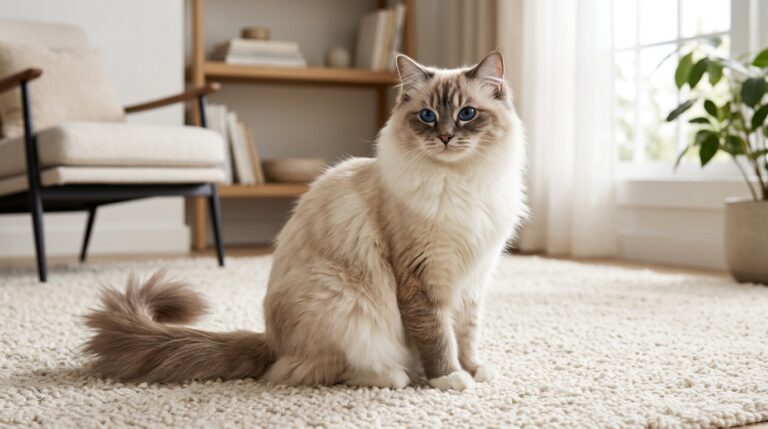
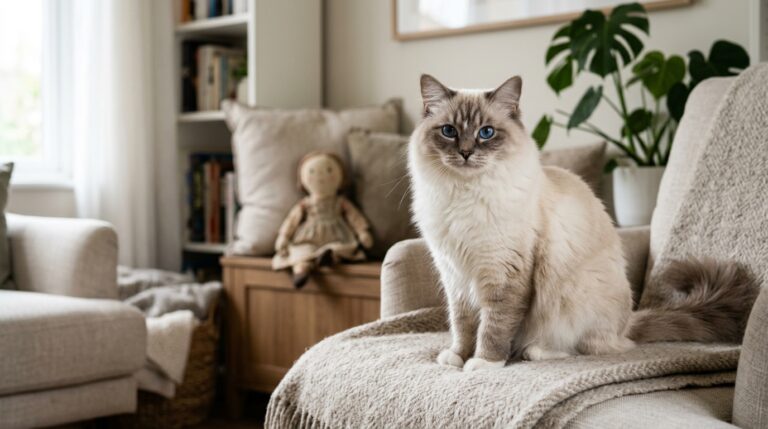
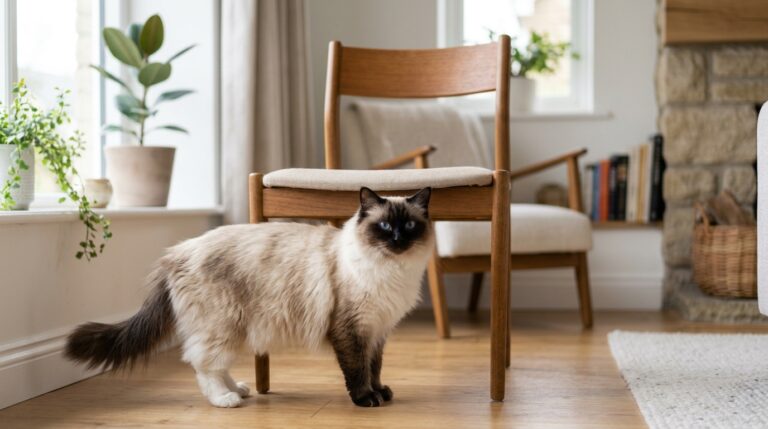
Their blue eyes are another defining feature. Traditional Ragdoll cats have striking blue eyes, which contrast beautifully with their colorpoint coats. Their bodies are generally lighter in color than their ears, face, legs, and tail, although Ragdoll coat patterns include several recognized variations.
The breed is also known for developing slowly compared with many cats. Ragdolls can take several years to reach their full physical maturity. This gradual development is one reason owners may notice changes in size, body structure, and coat as their cats mature.
Their personality completes the overall picture. Ragdolls are widely recognized as affectionate and people-oriented cats. Their combination of physical beauty and gentle temperament has helped make them one of the world’s most popular pedigree cat breeds.
Are Ragdoll Cats Always Relaxed?
Ragdoll cats are not always relaxed. Although the breed has a reputation for being calm, individual cats can behave differently depending on their personality and circumstances.
A Ragdoll may become excited when playing, alert when hearing an unfamiliar sound, nervous in a new environment, or energetic during certain parts of the day. These reactions are normal. Being a Ragdoll does not remove natural feline instincts.
The relaxed reputation of the breed should therefore be understood as a general tendency rather than an absolute rule. Responsible owners should never expect a Ragdoll to behave like a stuffed toy simply because of its name.
A cat’s comfort should always come first. If a Ragdoll does not want to be held, forcing physical contact can create stress and damage trust. Allowing the cat to approach people voluntarily can help build a stronger relationship.
Socialization can also influence how a Ragdoll responds to handling. Cats that have positive experiences with gentle human interaction from an early age may become more comfortable being touched and carried. However, individual personality remains important.
Why Does a Ragdoll Cat Relax When Held?
The relaxed behavior associated with Ragdolls is generally understood as part of their temperament. These cats are often comfortable with human interaction and may respond to being held by relaxing rather than resisting.
There is no single behavior that every Ragdoll must display. Some cats become deeply relaxed, while others remain relatively alert. The intensity of the response can also change depending on the cat’s mood and environment.
Genetics likely plays an important role in temperament. Breeders have historically selected cats based partly on desirable personality characteristics, helping preserve traits such as friendliness and calmness. However, genetics is only one part of a cat’s personality.
Early socialization, environment, handling, health, and individual experiences can also influence behavior. A Ragdoll that feels secure in its home may be more willing to relax in its owner’s arms than a cat experiencing fear or discomfort.
Does the Name Ragdoll Mean the Cat Is Fragile?
No. The name Ragdoll does not mean that these cats are fragile or delicate. Ragdolls are large, healthy cats with normal feline strength and physical abilities.
Their bodies are capable of running, jumping, climbing, scratching, and playing just like those of other cats. Their soft coat and relaxed temperament can sometimes make them appear delicate, but their physical structure is much more substantial than the name might suggest.
Because Ragdolls can become relaxed when held, owners should still support their bodies properly. Large cats require secure handling, especially when being lifted. Their chest and hindquarters should be supported so that they feel stable and comfortable.
Proper handling is important for every cat, regardless of breed. A relaxed cat should not be allowed to hang unsupported simply because it appears comfortable.
Why Is the Ragdoll Name So Memorable?
The name Ragdoll is memorable because it connects a physical object with a behavioral characteristic. Most cat breed names are associated with geographic origins, physical features, historical regions, or breeding traditions. Ragdoll is different because the name immediately creates an image of a soft, relaxed object.
This makes the breed easy to remember. When people hear the name Ragdoll, they often become curious about why a cat would have such an unusual name. The explanation naturally leads to the breed’s relaxed behavior.
The name also fits the breed’s overall image. Ragdolls are large, soft-coated, blue-eyed cats with gentle personalities. Their appearance and temperament reinforce the impression created by the name.
This combination has helped Ragdolls develop a strong identity in the cat world. Their name is not merely a label but a small part of the breed’s history and cultural recognition.
Ragdoll Cats and Their Affectionate Nature
Ragdolls are often described as affectionate cats because many enjoy spending time with their human families. They may seek attention, remain close to their owners, and show interest in household activities.
Their social nature can make them especially appealing to people who want a companion cat. However, affection can look different from one Ragdoll to another. Some may enjoy sitting on a person’s lap, while others may prefer staying nearby without being physically held.
The breed’s reputation for affection should therefore not be interpreted as a guarantee of a particular behavior. Each cat develops its own preferences.
A strong relationship is usually built through trust and positive interaction. Gentle handling, consistent care, play, grooming, and respectful attention can help a Ragdoll feel secure in its home.
How the Ragdoll Breed Became Popular
The Ragdoll breed gradually attracted attention because of its distinctive combination of appearance and personality. Its large body, striking eyes, beautiful coat, and gentle temperament made it stand out among other pedigree cats.
As breeders continued to develop the breed, Ragdolls became increasingly recognized by cat enthusiasts and breed organizations. Their unusual name also contributed to public interest.
The breed’s popularity eventually expanded beyond its original American roots. Ragdolls are now familiar to cat lovers in many parts of the world. Their reputation as affectionate companion animals has played a significant role in their continued popularity.
The name remains one of the first things people notice. Even someone unfamiliar with the breed may wonder why a cat is called a Ragdoll. That curiosity can lead people to discover the breed’s fascinating history.
Common Misconceptions About Why Ragdoll Cats Are Called Ragdolls
There are several misconceptions surrounding the Ragdoll name. One common misunderstanding is that every Ragdoll automatically becomes completely limp whenever it is picked up. This is not true. The relaxed response varies between individuals.
Another misconception is that Ragdolls are passive or incapable of defending themselves. They are still normal cats with instincts. They can move quickly, play actively, climb, and respond to situations around them.
Some people also assume that the name refers to their fur. Although Ragdoll cats have soft, beautiful coats, the name is primarily associated with their relaxed behavior when handled.
Another misunderstanding is that owners should deliberately make their cats go limp to demonstrate the breed characteristic. This is not appropriate. A cat’s comfort and safety should always be more important than demonstrating a particular behavior.
The name is best understood as a historical description of a characteristic that became strongly associated with the breed.
Ragdoll Cats Are More Than Their Name
Although the Ragdoll name is closely connected to relaxed behavior, these cats have many other qualities that make them unique. Their history, physical appearance, personality, and relationship with humans all contribute to their identity.
Their large size gives them a distinctive presence. Their blue eyes create an instantly recognizable appearance. Their soft semi-long coat gives them an elegant look. Their calm personality makes them appealing as companion animals.
At the same time, Ragdolls should not be treated as decorative animals. They have normal physical and emotional needs. They require balanced nutrition, veterinary care, grooming, exercise, mental stimulation, and social interaction.
Understanding the breed beyond its name helps owners appreciate its full character. The word Ragdoll may describe one famous behavior, but it does not define everything these cats are.
How to Handle a Ragdoll Cat Properly
Because Ragdolls are large cats, proper handling is important. When lifting one, a person should support the cat’s body rather than allowing its weight to hang from the front legs or chest.
The cat should feel secure throughout the process. Sudden movements can make even a relaxed cat uncomfortable. A calm approach is generally better than quickly grabbing or lifting the animal.
Owners should also pay attention to body language. A relaxed posture, normal breathing, and comfortable positioning can indicate that the cat is content. Tension, struggling, vocalization, or attempts to escape may indicate that the cat wants to be put down.
The fact that a Ragdoll may relax when held does not remove the need for careful handling. The breed’s name should never become an excuse for ignoring the cat’s preferences.
Does Every Ragdoll Cat Like Being Held?
No, not every Ragdoll cat enjoys being held. This is one of the most important points to understand when learning why Ragdoll cats are called Ragdolls.
Breed tendencies describe common characteristics, but individual cats can behave differently. One Ragdoll may happily spend time in someone’s arms, while another may prefer keeping all four paws on the ground.
Age can also influence behavior. Young cats may have more energy and may prefer playing rather than being carried. Older cats may have different physical comfort levels. Health conditions can also affect how a cat responds to being lifted.
Owners should therefore avoid judging a Ragdoll based only on the breed’s reputation. The best approach is to observe the individual cat and respect its preferences.
The Connection Between the Name and Ragdoll Temperament
The connection between the name and temperament is what makes the Ragdoll breed especially interesting. The name developed around a behavioral characteristic, while the breed’s reputation continued to grow around its calm and affectionate personality.
The relaxed behavior associated with Ragdolls is not completely separate from their broader temperament. A cat that feels comfortable around people may be more willing to relax during physical contact.
However, temperament is complex. A friendly cat can still dislike being picked up, and a calm cat can become nervous in an unfamiliar environment. Ragdolls are individuals first and members of a breed second.
This distinction is important for anyone considering adopting or purchasing a Ragdoll. Understanding the general breed characteristics can provide useful information, but observing the individual cat remains essential.
Ragdoll cats have a fascinating history that began in California during the 1960s. The breed was developed through the work of breeder Ann Baker, who focused on cats with distinctive appearance and gentle temperaments. Readers who want to learn more about recognized cat breeds and their characteristics can explore the official information provided by The International Cat Association (TICA).
Why the Ragdoll Name Still Matters Today
The name Ragdoll has remained important because it connects modern cats with the history of the breed. Every time the name is used, it recalls the unusual behavior that helped distinguish these cats during their early development.
The name has also become part of the breed’s identity in popular culture. Ragdolls are now widely recognized, and their unusual name is often one of the first characteristics people remember.
Even as breeding standards and preferences have changed over time, the basic association between the name and relaxed temperament has remained. It continues to be one of the most interesting facts about the breed.
For cat lovers, learning the origin of the name can make the breed even more fascinating. It shows how a simple observation about animal behavior can become an enduring part of a breed’s identity.
FAQs
Why are Ragdoll cats called Ragdolls?
Ragdoll cats are called Ragdolls because of their tendency to become very relaxed when they are picked up and held. Their relaxed bodies reminded people of soft rag dolls, which inspired the breed’s distinctive name.
Do Ragdoll cats really go limp?
Some Ragdoll cats may become very relaxed when held, but not every Ragdoll goes completely limp. The behavior varies between individual cats and should be understood as a tendency rather than a requirement of the breed.
Who named the Ragdoll cat?
The Ragdoll breed was developed by breeder Ann Baker in California during the 1960s. The name Ragdoll became associated with the cats because of their characteristic relaxed behavior when handled.
Are Ragdoll cats naturally calm?
Ragdolls are generally known for having calm and gentle temperaments. However, individual personality can vary, and they can also be playful, energetic, curious, and active.
Do Ragdoll cats like being picked up?
Many Ragdolls may tolerate or enjoy being held, but individual preferences differ. A Ragdoll should never be forced to remain in someone’s arms if it shows signs of discomfort or wants to leave.
Are Ragdolls called Ragdolls because of their fur?
No. Although Ragdolls have soft and attractive coats, the name is primarily associated with their relaxed behavior when they are handled.
Are Ragdoll cats lazy?
Ragdolls can be calm and relaxed, but they are not simply lazy cats. They still need exercise, play, mental stimulation, and opportunities to explore their environment.
Is every Ragdoll cat affectionate?
Ragdolls are generally considered affectionate and people-oriented, but individual personalities vary. Some may be extremely social, while others may prefer affection on their own terms.
Can Ragdoll cats be active?
Yes. Ragdoll cats can run, jump, climb, play, and explore just like other cats. Their calm temperament does not prevent them from being active.
What makes Ragdolls unique?
Ragdolls are known for their large size, blue eyes, semi-long coats, distinctive color patterns, gentle temperament, and tendency to become relaxed when handled. These characteristics together give the breed its distinctive identity.
Conclusion
The answer to why are Ragdoll cats called Ragdolls comes from one of the breed’s most recognizable behavioral characteristics. Ragdoll cats became associated with the name because some of them have a tendency to relax deeply when picked up and held, creating a resemblance to a soft rag doll.
The name became part of the breed’s identity during its development in California in the 1960s. Ann Baker played an important role in establishing the breed, and the distinctive combination of appearance and temperament helped Ragdolls gain recognition.
Although the name suggests that every Ragdoll becomes completely limp when held, that is not an accurate description of every individual cat. Ragdolls have different personalities, preferences, and comfort levels. Some may love being carried, while others may prefer staying on the ground.
Ultimately, the Ragdoll name is a fascinating piece of breed history. It captures the relaxed temperament that helped distinguish these cats while also reminding us that every Ragdoll is an individual animal. Their beautiful appearance, affectionate nature, large size, and unique history make them much more than the behavior suggested by their memorable name.