What Does Ragdoll Mean? Fascinating Facts About the Name
The question what does Ragdoll mean often comes from people who hear the name of this beautiful cat breed for the first time. The word sounds unusual because it combines “rag” with “doll,” which can make people wonder whether the name refers to the cat’s appearance, behavior, history, or something else. In reality, the name Ragdoll has a fascinating connection to the breed’s famously relaxed temperament and the way some cats may become very calm when they are picked up and handled gently.
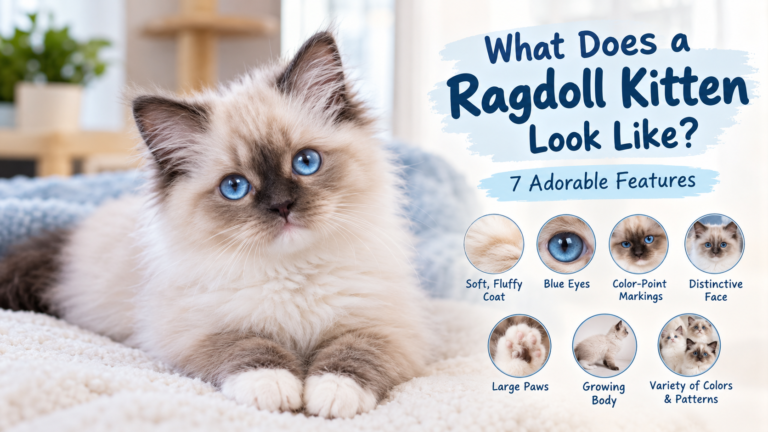
Ragdoll cats are known for their striking blue eyes, soft semi-long coats, large bodies, and affectionate personalities. They have become one of the most recognizable cat breeds in the world, but their name remains one of their most interesting characteristics. Understanding the meaning behind the name also provides an opportunity to learn about the breed’s history, temperament, physical development, and relationship with people.
The term Ragdoll is closely associated with the breed’s tendency to relax when being carried. The comparison is related to the way a soft rag doll can become loose and relaxed when held. However, the name should not be interpreted as meaning that every Ragdoll cat will completely relax every time someone picks it up. Cats have individual personalities, and their reactions to handling can vary considerably.
The history of the Ragdoll breed is also important when discussing its name. The breed was developed in California during the 1960s, with breeder Ann Baker playing a central role in its early development. Over time, the distinctive appearance and calm temperament of these cats helped establish their identity, while the memorable name Ragdoll became strongly associated with the breed.
What Does Ragdoll Mean?
So, what does Ragdoll mean when referring to cats? The name Ragdoll describes a cat breed that became known for its unusually relaxed and gentle behavior when handled. The name comes from the observation that some of these cats could become very relaxed in a person’s arms, creating a physical impression similar to holding a soft rag doll.
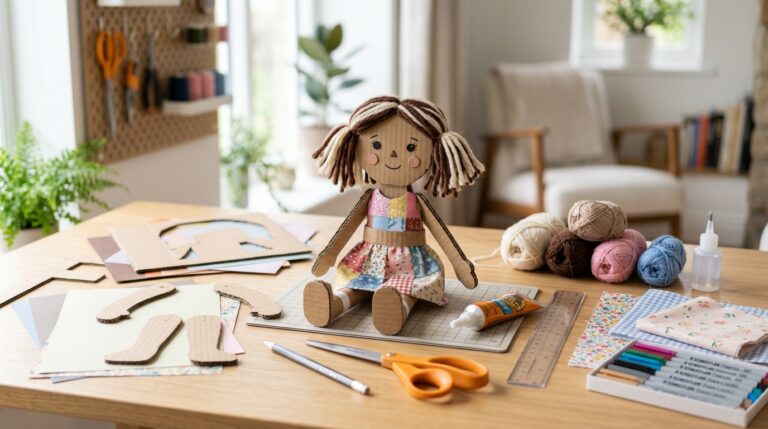
A rag doll is traditionally a soft toy that does not have a rigid structure like a hard plastic figure. When lifted, its body can appear loose and flexible. The Ragdoll cat’s name was inspired by a similar impression created by some cats of the breed when they were picked up and allowed to relax.
The meaning is therefore connected more closely to behavior than to the cat’s physical appearance. Ragdoll cats are not named because their coats resemble fabric or because they look like dolls. Their name developed around their reputation for being calm, relaxed, and comfortable with human handling.
However, it is important to understand that this characteristic should not be treated as an absolute rule. Ragdolls are still cats, and each individual has its own temperament. Some may enjoy being held, while others may prefer keeping their paws on the ground. A responsible owner should always respect a cat’s body language and comfort level.
The name also reflects one of the characteristics that helped make the breed distinctive. Many cat breeds have names connected to their geographic origins, physical characteristics, or historical development. Ragdoll is unusual because its name became closely associated with a behavioral trait that helped define the breed in the public imagination.
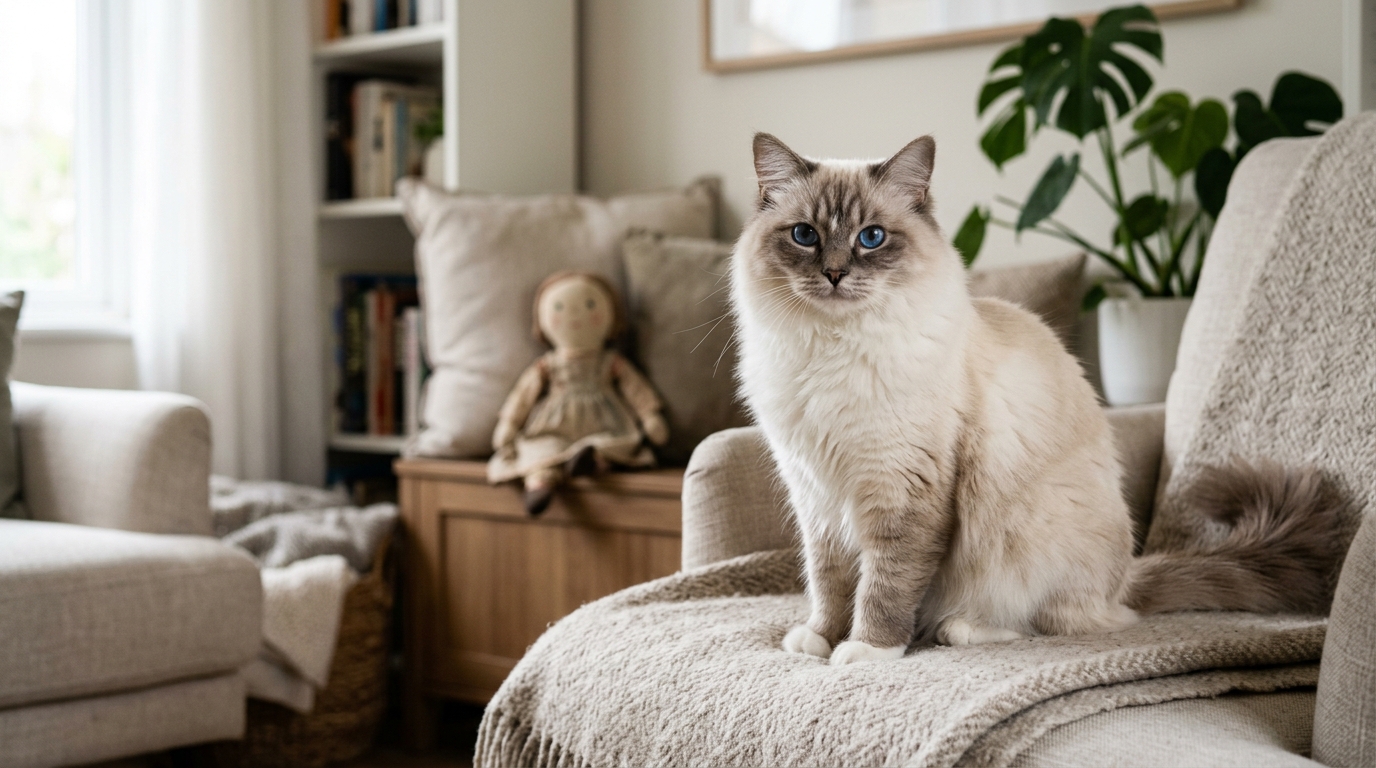
Today, the word Ragdoll immediately brings to mind a large, beautiful, blue-eyed cat with a calm and affectionate personality. The name has therefore become more than a simple description. It has developed into the identity of a recognized cat breed with a distinctive appearance, temperament, and history.
Why Are Ragdoll Cats Called Ragdolls?
Ragdoll cats are called Ragdolls because of their tendency to become relaxed when they are picked up and handled gently. This relaxed response was particularly noticeable in the early cats associated with the breed and became an important part of the breed’s identity.
When a relaxed Ragdoll is lifted, its body may become loose rather than remaining tense. Its muscles can appear relaxed, and the cat may allow itself to rest comfortably in the person’s arms. This behavior reminded people of the way a rag doll becomes flexible and relaxed when held.
The name became memorable because it described something unusual about the cats. Cat breeds can differ significantly in their behavior, and the apparent willingness of some Ragdolls to relax while being carried made the breed stand out.
The name also contributed to the popular image of the breed as a gentle companion. Ragdolls are often described as affectionate, people-oriented cats that enjoy staying close to their human companions. Their calm reputation and distinctive appearance have helped make them particularly popular among families and cat enthusiasts.
Nevertheless, the name should not create unrealistic expectations. A Ragdoll is not a toy and should never be handled like one. The fact that some Ragdolls relax when held does not mean they should be forced to remain in someone’s arms. Cats communicate discomfort through body posture, tail movement, vocalization, ear position, and attempts to move away.
A healthy relationship with a Ragdoll is based on trust and respect. If a cat willingly approaches a person and enjoys being held, gentle handling can become a pleasant part of their relationship. If the cat wants to leave, allowing it to do so is equally important.
The name Ragdoll therefore has a charming origin, but its real significance goes beyond the simple image of a limp cat. It represents a breed that became famous for a combination of relaxed behavior, affectionate temperament, and striking physical characteristics.
The Fascinating Origin of the Ragdoll Name
The origin of the Ragdoll name is connected to the early development of the breed in California during the 1960s. Ann Baker is widely associated with the creation and promotion of the Ragdoll breed. She worked with cats that had characteristics she wanted to develop into a distinctive breed.
The early history of the Ragdoll is surrounded by many stories and claims, and some details have been repeated differently over the years. For that reason, it is useful to separate the breed’s documented development from later myths and popular stories.
The name Ragdoll became associated with cats that demonstrated a particularly relaxed response to handling. This characteristic was important to the breed’s early identity and contributed to the name that eventually became internationally recognized.
As the breed developed, Ragdolls became known not only for their behavior but also for their beautiful appearance. Their large size, color-pointed coats, and blue eyes created a distinctive visual identity. Their temperament and appearance together helped establish Ragdolls as a unique breed.
The early development of the breed also shows why names can become powerful parts of breed identity. Once the name Ragdoll became associated with these cats, it created a simple and memorable way for people to recognize them. The word itself immediately suggested softness, relaxation, and gentleness.
Over time, breeders and cat organizations helped establish standards for what a Ragdoll should look like and how the breed should be recognized. The breed eventually became established internationally, and its name became familiar to cat lovers around the world.
Although the modern Ragdoll is recognized for many characteristics, the original meaning of its name remains an important part of its history. The name provides a direct connection between the breed’s early reputation and the calm behavior that helped distinguish it.
Do Ragdoll Cats Really Go Limp?
One of the most common questions about the breed is whether Ragdoll cats really go limp when picked up. The answer is more nuanced than the popular image suggests. Many Ragdolls are relaxed and comfortable with human contact, but not every cat will become completely limp.
The phrase “go limp” is often used to describe a cat that relaxes its body when being held. A relaxed Ragdoll may allow its body to rest against the person holding it rather than keeping its muscles tense. This can create the impression that the cat has very little resistance.
However, individual temperament matters. Some Ragdolls may be extremely comfortable with being carried, while others may prefer sitting beside their owners rather than being lifted. Age, previous experiences, socialization, environment, health, and personal temperament can all influence how a cat responds to handling.
Young Ragdolls may also behave differently from mature cats. Kittens can be energetic and curious, while adult cats may become calmer as they grow. Even within the same breed, personality differences can be significant.
The physical condition of the cat also matters. A cat that is uncomfortable, frightened, injured, or experiencing pain may resist handling. Owners should never assume that resistance is simply a personality difference without considering whether something may be wrong.
Proper handling is especially important because Ragdolls are large cats. When lifting one, the entire body should be supported comfortably. Supporting the chest and hindquarters helps the cat feel secure and reduces unnecessary strain.
The famous relaxed behavior associated with Ragdolls is therefore best understood as a breed tendency rather than a guarantee. The name describes a characteristic that helped define the breed, but it does not determine the behavior of every individual cat.
What Makes Ragdoll Cats So Unique?
The meaning of Ragdoll becomes even more interesting when the name is considered alongside the breed’s other characteristics. Ragdolls are known for a combination of physical beauty and a generally gentle personality.
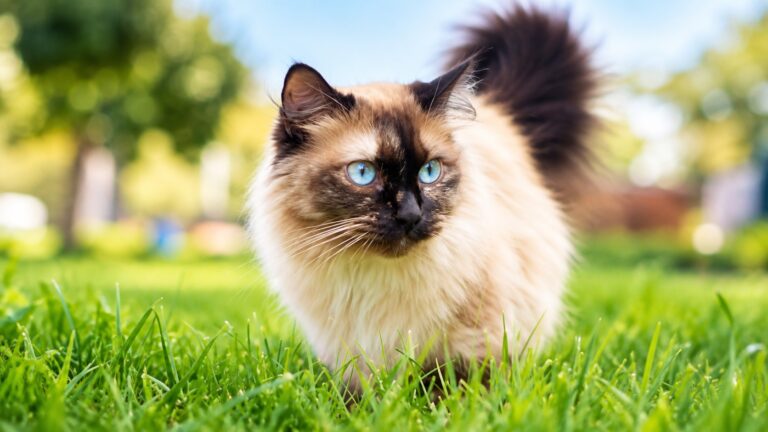
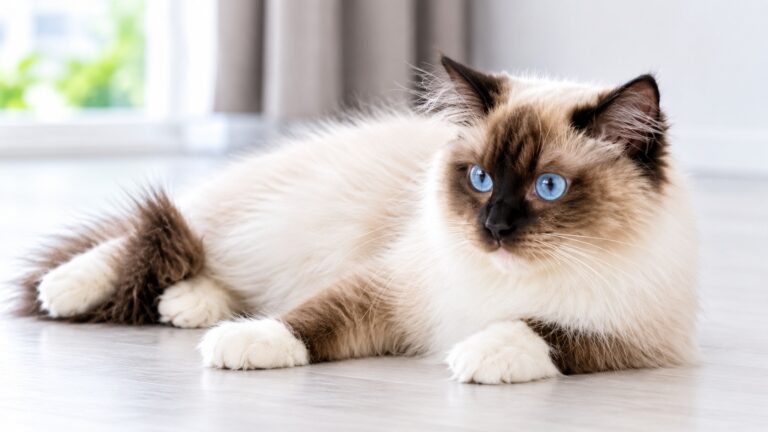
One of their most recognizable characteristics is their blue eyes. Traditional Ragdolls have blue eyes, and the intensity and shade can vary. Their eye color creates a strong contrast with their color-pointed coats and contributes significantly to the breed’s distinctive appearance.
Ragdolls are also large cats. They typically develop slowly compared with many smaller breeds, and they can continue maturing for several years. Their substantial body, broad chest, and strong bone structure contribute to their impressive appearance.
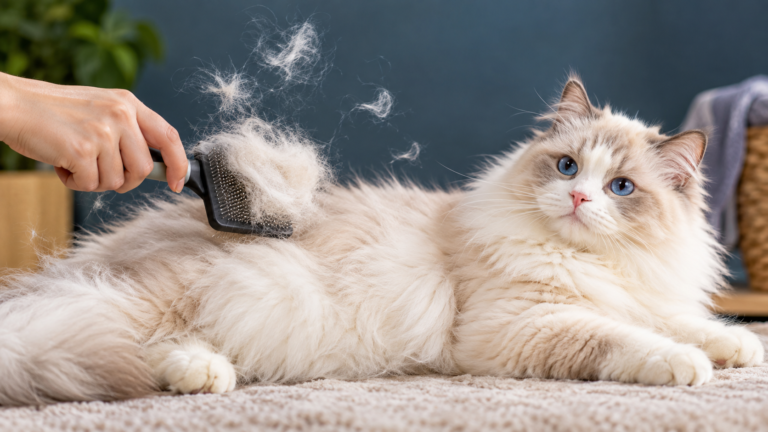
Their coats are another defining feature. Ragdolls have soft, semi-long fur that usually forms a pointed pattern. The body is generally lighter than the ears, face, legs, and tail, although the exact appearance varies according to the color and pattern.
The breed is also widely recognized for its affectionate personality. Ragdolls often enjoy spending time around people and may follow their owners from room to room. They can form strong social relationships with their families and may prefer being involved in everyday household activity.
Their gentle nature does not mean they are completely inactive. Ragdolls still need play, exercise, mental stimulation, scratching opportunities, and appropriate environmental enrichment. Their calm personality should not be confused with a lack of curiosity.
The combination of size, coat, blue eyes, color-point pattern, and affectionate behavior gives the Ragdoll a distinctive identity. The name is only one part of that identity, but it is perhaps the most memorable because it refers directly to their characteristic relaxed behavior.
Is “Ragdoll” a Description of Personality?
The name Ragdoll can be viewed partly as a description of personality, although it does not capture the entire temperament of the breed. The name became connected with relaxation, but Ragdolls are known for several other behavioral traits as well.
Many Ragdolls are described as gentle and people-oriented. They often enjoy human companionship and may seek attention from their owners. Their social nature can make them engaging household companions.
Their temperament is often described as calm, but calm does not mean completely passive. Ragdolls can be playful, curious, and active, particularly when they are young. They may enjoy interactive toys, climbing structures, scratching posts, and other forms of enrichment.
The breed’s social nature is one reason owners should provide regular interaction. A Ragdoll may enjoy being near people even when it is not directly being touched or held. Simply staying in the same room can be part of its social behavior.
Individual personality remains extremely important. Breed tendencies provide useful information, but they cannot predict every behavior. Two Ragdolls from the same household may have noticeably different personalities.
One may actively seek physical affection, while another may prefer sitting nearby. One may enjoy being carried, while another may become uncomfortable after a short period. These differences are normal and should be respected.
Therefore, the word Ragdoll should not be treated as a promise that every cat will behave in exactly the same way. Instead, it represents a general breed characteristic that became especially famous because of the relaxed behavior observed in many cats.
The Meaning of Ragdoll Goes Beyond the Name
The significance of the Ragdoll name extends beyond its literal meaning. It has become strongly connected with the breed’s overall identity, including its appearance, temperament, history, and popularity.
When people hear the word Ragdoll, they often immediately think of a large cat with blue eyes and a soft color-pointed coat. The name has become so closely connected to the breed that it functions as an identity rather than simply a descriptive word.
The name also communicates an impression of gentleness. Although individual cats can have different personalities, the Ragdoll breed has developed a reputation for being calm and affectionate. That reputation has played an important role in its popularity.
Another important aspect of the name is its simplicity. “Ragdoll” is easy to remember and creates a strong mental image. The name is distinctive compared with many traditional breed names and has helped the breed stand out in the international cat community.
The meaning also gives people a starting point for learning about the breed. Someone who asks what does Ragdoll mean may begin by learning about the name and then discover the breed’s history, physical characteristics, care requirements, and temperament.
Understanding the name can also help correct misconceptions. A Ragdoll is not a toy, and its relaxed behavior should never be interpreted as an invitation to handle it without limits. The breed’s name is based on a behavioral observation, not a statement that these cats lack normal feline instincts.
Ragdolls remain independent animals with their own preferences. They need appropriate nutrition, veterinary care, grooming, exercise, social interaction, and a safe environment. Their affectionate reputation does not eliminate their need for normal feline care.
The Difference Between the Name and the Reality
It is easy to take the name Ragdoll too literally. The word can create an image of a cat that simply lies still whenever someone picks it up. In reality, Ragdoll behavior is more complex.
A cat’s willingness to relax depends on its relationship with the person, its surroundings, its mood, and its individual personality. A Ragdoll that feels safe may relax deeply, while the same cat may become more alert in an unfamiliar environment.
Socialization can also influence behavior. Cats that have positive experiences with gentle human interaction may become more comfortable with handling. However, socialization does not erase individual temperament.
Owners should therefore focus on reading their cat’s signals instead of relying on the breed name. A relaxed posture, soft body language, and willingness to remain close can indicate comfort. Attempts to escape, tense muscles, flattened ears, rapid tail movements, or vocalization can indicate that the cat wants more space.
Respecting these signals creates a stronger relationship between the cat and its owner. The famous Ragdoll personality is best appreciated when the cat is allowed to behave naturally rather than being forced to match a stereotype.
The name is fascinating because it reflects something real, but the reality is always more individual than the name suggests.
Ragdoll Cats and Their Relationship With People
Ragdolls have developed a strong reputation as companion cats because of their generally social and affectionate nature. Many enjoy being around people and may seek opportunities to remain close to their owners.
Their social behavior can make them especially noticeable within a household. Instead of spending all their time hidden away, many Ragdolls prefer participating in everyday family activity. They may rest nearby, follow people around the home, or seek attention when they want interaction.
This people-oriented behavior helps explain why the breed has become so popular. Cat owners often appreciate companions that enjoy human presence while still retaining the independent qualities associated with cats.
The relationship should always remain mutual. A Ragdoll may enjoy affection, but it should still be allowed to decide when it wants attention. Cats communicate differently from humans, and understanding their body language is an important part of responsible ownership.
The breed’s affectionate nature also means that owners should consider the amount of time they can devote to companionship. A social cat benefits from interaction and stimulation. Providing toys, comfortable resting areas, scratching surfaces, and regular attention can help support its physical and emotional well-being.
The name Ragdoll may focus attention on relaxed behavior, but the broader story is really about a companion animal with a distinctive personality and strong social tendencies.
For readers who want to learn more about the Ragdoll breed, the Cat Fanciers’ Association provides useful information about Ragdoll characteristics, history, appearance, and breed standards. Consulting a recognized cat organization can help readers understand the official characteristics associated with the breed and distinguish established breed information from common myths or misunderstandings about Ragdoll cats.
Common Misunderstandings About What Ragdoll Means
There are several misunderstandings surrounding the name Ragdoll. One of the most common is the idea that every Ragdoll automatically becomes completely limp when lifted. This is not accurate. Individual cats vary, and many factors can influence their behavior.
Another misunderstanding is that Ragdolls are inactive. While they often have a calm reputation, they still need opportunities to play and exercise. Young Ragdolls can be energetic and curious, and adult cats also benefit from regular physical and mental activity.
Some people may also assume that the name means Ragdolls are unusually easy to handle. While many can be gentle and cooperative, every cat should be handled according to its own comfort level.
The name also does not mean that Ragdolls are physically fragile. They are large, substantial cats with strong bodies. Their soft appearance should not be confused with weakness.
Perhaps the biggest misunderstanding is treating the breed’s name as a complete description of its personality. A name can reflect a characteristic without describing everything about an animal. Ragdolls can be affectionate, playful, curious, intelligent, relaxed, and independent at different times.
Understanding these differences helps create a more realistic picture of the breed.
Why the Ragdoll Name Remains So Memorable
The Ragdoll name has remained memorable because it connects a simple word with a distinctive behavioral characteristic. People can easily remember a name that creates a clear mental image, and Ragdoll does exactly that.
The breed’s physical appearance reinforces the name’s popularity. Their soft coats, striking blue eyes, and large bodies give them a distinctive appearance that matches the gentle image associated with the word.
Their personality adds another layer. Ragdolls are widely recognized for being affectionate and people-oriented, which makes the name feel consistent with the breed’s general reputation.
The combination of a memorable name, recognizable appearance, and distinctive temperament has helped establish Ragdolls as one of the world’s best-known cat breeds.
For someone researching what does Ragdoll mean, the answer therefore involves more than a simple dictionary definition. It involves the history of a breed, a behavioral characteristic, and the way that characteristic became part of the breed’s identity.
FAQ
What does Ragdoll mean?
Ragdoll refers to a cat breed whose name is associated with its tendency to relax when handled. The behavior was compared with the loose, relaxed form of a soft rag doll, which helped inspire the breed’s name.
Why are Ragdoll cats called Ragdolls?
Ragdoll cats are called Ragdolls because some of the early cats associated with the breed were known for becoming very relaxed when picked up. Their loose, comfortable posture reminded people of a soft rag doll.
Do all Ragdoll cats go limp?
No. Not every Ragdoll becomes completely limp when picked up. Individual temperament, socialization, environment, age, and personal preferences can affect how a cat responds to handling.
Are Ragdoll cats naturally calm?
Ragdolls are generally known for their calm and gentle temperament, but individual personalities vary. They can also be playful, curious, and energetic, especially when young.
Where did the Ragdoll breed originate?
The Ragdoll breed was developed in California during the 1960s. Ann Baker is closely associated with the early development and promotion of the breed.
Are Ragdoll cats affectionate?
Many Ragdolls are affectionate and enjoy human companionship. However, affection can be expressed differently from one cat to another, so owners should respect each cat’s individual preferences.
Why do Ragdoll cats have blue eyes?
Blue eyes are one of the defining characteristics of the traditional Ragdoll breed standard. Their blue eyes are associated with the breed’s color-point genetics and contribute strongly to their recognizable appearance.
Does the name Ragdoll describe the cat’s appearance?
The name primarily refers to behavior rather than physical appearance. It is associated with the tendency of some Ragdolls to relax when picked up rather than with their coat or body shape.
Are Ragdolls easy to care for?
Ragdolls require regular grooming, appropriate nutrition, veterinary care, exercise, mental stimulation, and social interaction. Their care needs should be considered carefully before bringing one home.
Can Ragdolls be playful?
Yes. Although Ragdolls are often described as calm, they can be playful and curious. Their activity level can vary depending on age, personality, environment, and individual preferences.
Conclusion
Understanding what does Ragdoll mean reveals an interesting connection between a cat breed’s name and its characteristic temperament. The name Ragdoll became associated with the tendency of some cats of the breed to relax when they were picked up, creating an impression similar to holding a soft rag doll.
The meaning of the name is only one part of what makes these cats fascinating. Ragdolls are also recognized for their blue eyes, color-pointed coats, large size, affectionate nature, and strong relationships with people. Their history, particularly their development in California during the 1960s, adds another important dimension to their identity.
At the same time, the famous Ragdoll behavior should not be treated as a guarantee. Every cat is an individual. Some Ragdolls may love being held, while others may prefer sitting beside their owners or choosing when they want physical contact. Respecting those differences is an essential part of responsible cat ownership.
The name has survived and remained popular because it captures one of the breed’s most memorable characteristics in a single word. When people hear “Ragdoll,” they often think of a beautiful, gentle, relaxed companion. That image has become an important part of the breed’s identity.
Ultimately, the answer to what does Ragdoll mean is both simple and fascinating. It refers to a breed whose name was inspired by its famously relaxed behavior, while the complete story includes decades of breed development, distinctive physical traits, and a reputation for affectionate companionship. The name may be unusual, but it perfectly helped establish the Ragdoll as one of the most recognizable and fascinating cat breeds in the world.