
How Big Do Ragdolls Get? Discover Their Full Size, Growth Stages, Weight, Height & Healthy Development
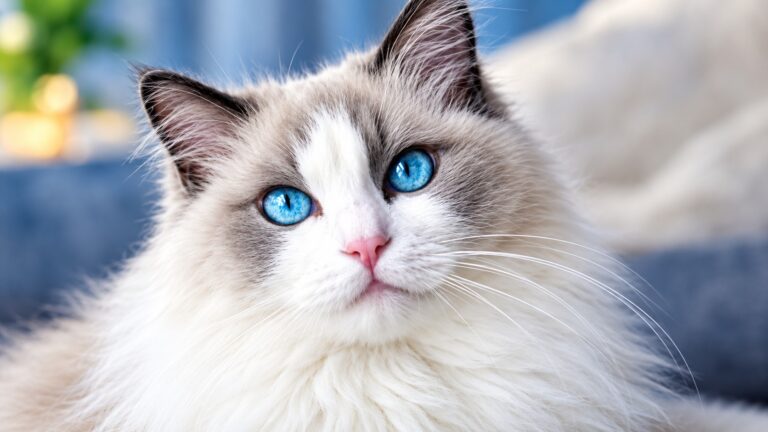
Ragdoll cats are known for their beautiful blue eyes, soft coats, relaxed personalities, and surprisingly large bodies. If you are thinking about bringing one home, you may naturally wonder, how big do Ragdolls get? Unlike many cat breeds that reach their adult size relatively quickly, Ragdolls have a much slower growth pattern. They can continue developing for several years before their body reaches full maturity.
An adult Ragdoll can have a substantial frame, long body, strong legs, and a fluffy tail that makes the cat appear even larger. Their size can also vary from one individual to another. Male Ragdolls are generally larger than females, while genetics, nutrition, activity, age, and overall health can all influence the final size of a particular cat.
Understanding Ragdoll growth is useful for both new and experienced cat owners. It can help you choose appropriate food, prepare your home, monitor your kitten’s development, and understand what is normal as your cat grows. It is also important to remember that being bigger does not automatically mean being healthier. A healthy Ragdoll should have a suitable body condition for its individual frame.
How Big Do Ragdolls Get?
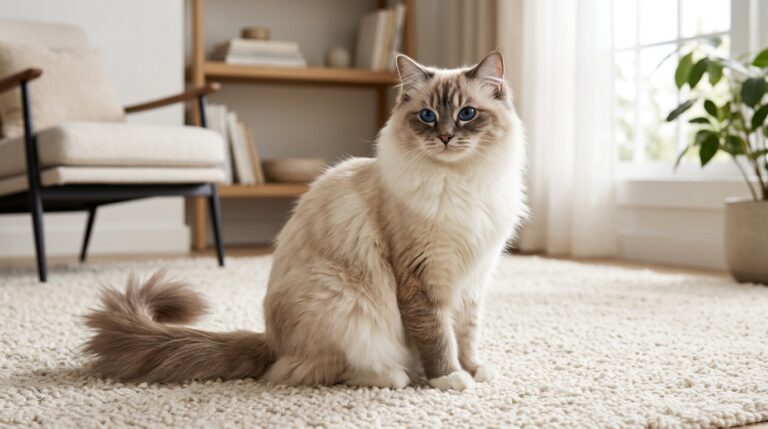
Ragdolls are considered one of the larger domestic cat breeds. Their adult size can be impressive, especially when their long hair and broad body structure are taken into account. Adult males are generally larger and heavier than females, although there is natural variation within both sexes.
Many adult male Ragdolls can weigh around 15 to 20 pounds, while females commonly weigh around 10 to 15 pounds. Some individual cats may fall outside these ranges without necessarily having a health problem. A cat’s ideal weight depends on its body frame, muscle mass, age, and overall condition.
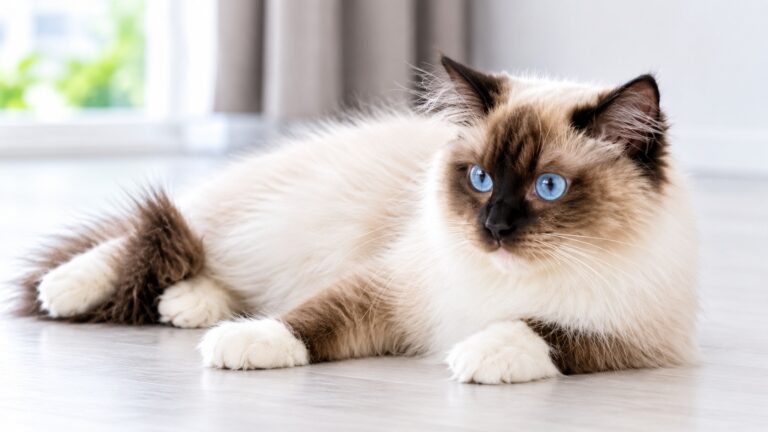
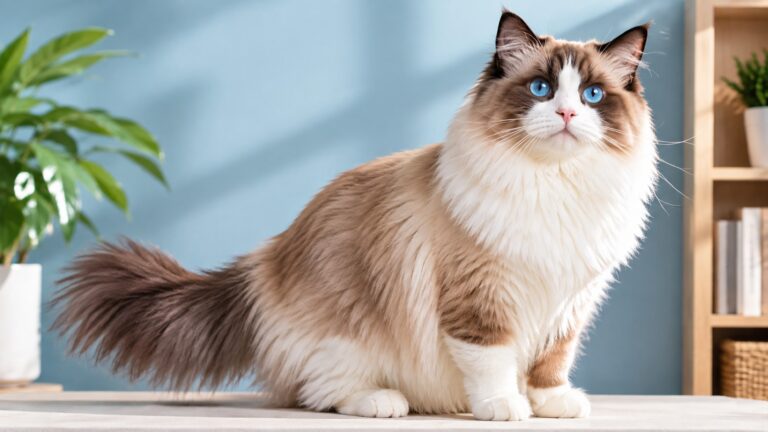
Ragdolls are also relatively long-bodied cats. Their substantial appearance comes from more than weight alone. Their long torso, strong legs, broad chest, large paws, and fluffy tail all contribute to their impressive appearance.
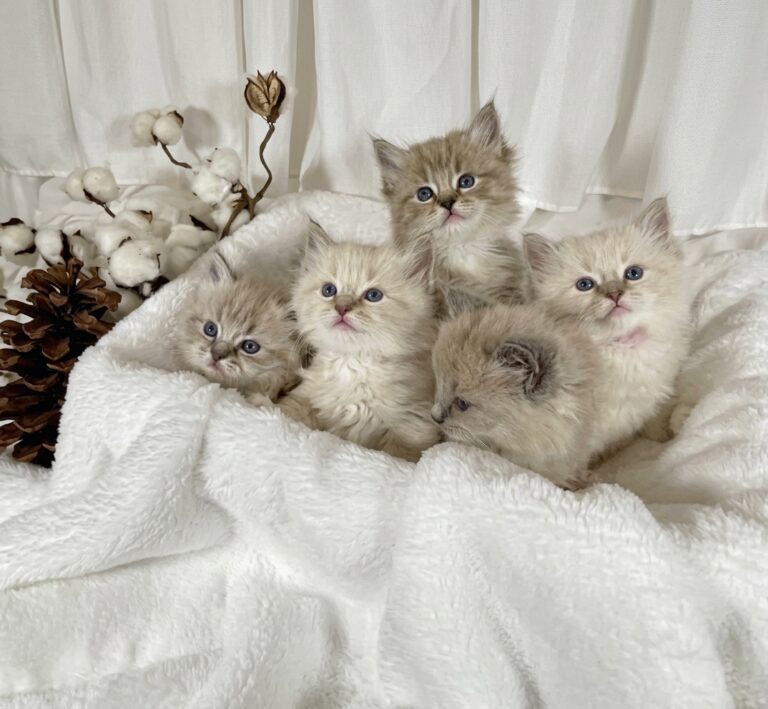
One reason people sometimes underestimate Ragdoll size is that kittens can look surprisingly small during their early months. Their growth happens gradually, so a young Ragdoll may look completely different from the same cat several years later.
How Much Do Ragdoll Cats Weigh?
Weight is one of the easiest ways to understand Ragdoll size, but it should not be considered the only measurement. A healthy adult male may weigh considerably more than a healthy female, while two cats of the same sex and age can still have noticeably different body weights.
Male Ragdoll Weight
Male Ragdolls are typically the larger sex. A mature male may commonly weigh somewhere around 15 to 20 pounds, although some can be lighter or heavier depending on their genetics and body structure.
A male with a larger frame may naturally weigh more than another male without being overweight. For this reason, simply comparing the number on a scale is not enough to determine whether a cat is healthy.
Female Ragdoll Weight
Female Ragdolls are generally smaller than males. Many mature females fall somewhere around 10 to 15 pounds, but individual variation is completely normal.
A female with a smaller frame may have a healthy weight below the upper end of that range, while a larger-framed female may naturally weigh more. What matters most is whether the cat maintains an appropriate body condition.
How Tall Are Ragdoll Cats?
Ragdolls can have a noticeable height because of their long legs and substantial body structure. Adult Ragdolls commonly stand around 9 to 11 inches tall at the shoulder, although individual measurements can vary.
Their height is only one part of their overall appearance. When you combine their height with a long body, large paws, and fluffy coat, they can look considerably bigger than their shoulder measurement suggests.
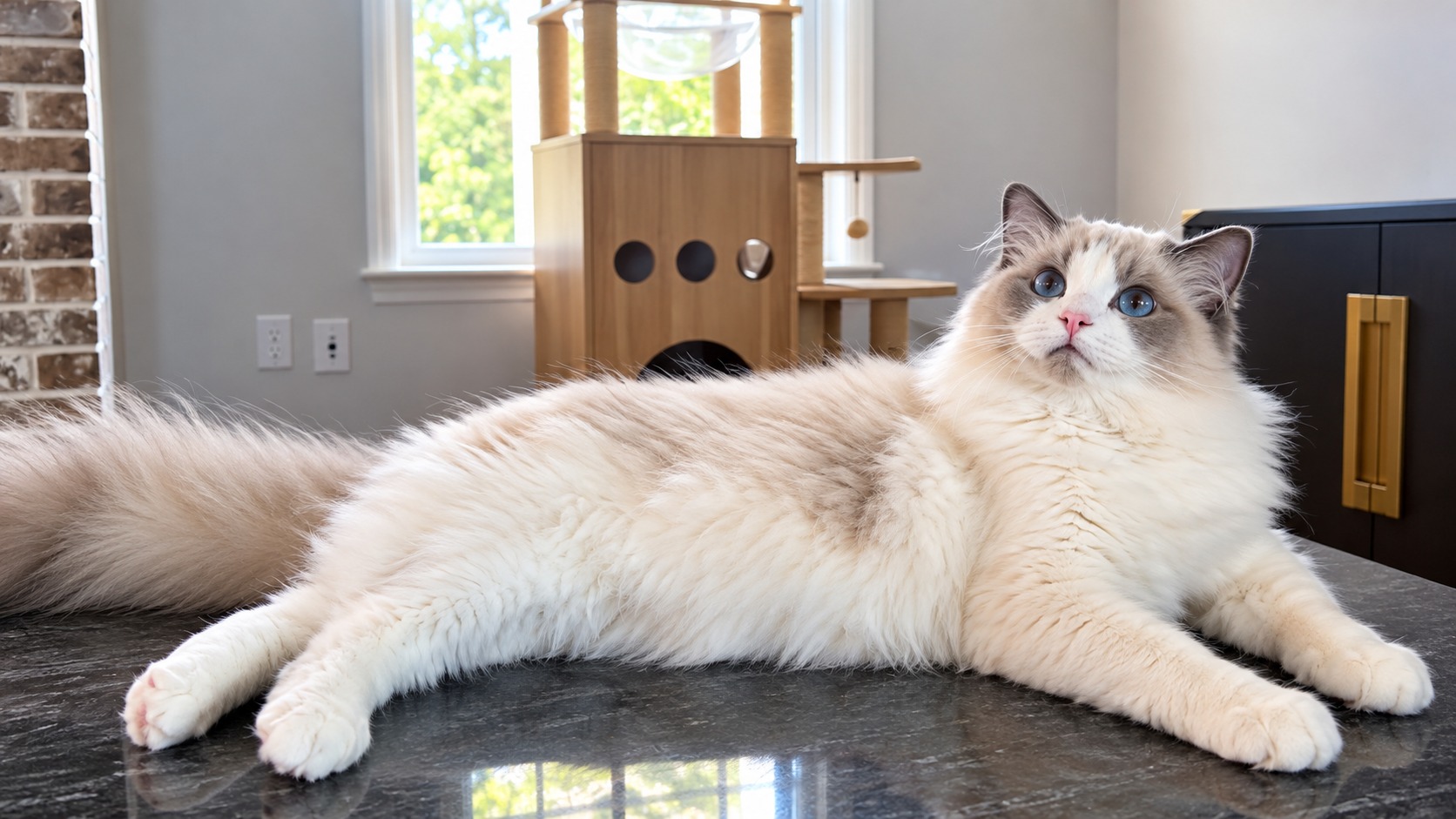
A Ragdoll’s relaxed personality can also make its size particularly noticeable. When stretched out across a sofa or bed, a mature Ragdoll may occupy much more space than someone unfamiliar with the breed might expect.
How Long Do Ragdoll Cats Get?
Ragdolls have a long body that contributes strongly to their overall size. Many can reach roughly 17 to 21 inches in body length, not including the tail, although measurements vary.
Their tails are also long and heavily coated. The tail can add considerable visual length and make the cat look even more substantial.
When measuring a Ragdoll, it is useful to distinguish between body length, total length including the tail, and shoulder height. These measurements describe different aspects of the cat’s physical structure.
When Do Ragdolls Stop Growing?
One of the most interesting things about Ragdoll development is how long it can take. Ragdolls are slow-maturing cats, and they may continue growing and filling out for several years.
Many Ragdolls reach much of their adult height and length during their first year or two, but their body may continue developing afterward. Their muscles, chest, overall proportions, and adult coat can become more established as they mature.
Some Ragdolls are not considered fully mature until they are around three to four years old. This does not mean they grow rapidly throughout all four years. Instead, growth gradually slows as they approach their mature structure.
This extended development period is one reason a Ragdoll kitten should not be judged too quickly based on its size at only a few months old.
Ragdoll Growth Stages
Understanding the different stages of Ragdoll development can make it easier to appreciate how much change occurs from kittenhood to adulthood.
Newborn to 3 Months
During the first few months, Ragdoll kittens experience rapid physical and neurological development. They become more coordinated, active, curious, and independent as they grow.
Their bodies are still small compared with their eventual adult size. At this stage, genetics and early nutrition play important roles in healthy development.
Kittens need appropriate nutrition designed for growth rather than food intended only for adult maintenance. They also benefit from a safe environment where they can gradually develop coordination and confidence.
3 to 6 Months
Between three and six months, a Ragdoll kitten can change noticeably. The legs may appear longer, the body begins to stretch out, and the kitten becomes increasingly active.
You may notice that your kitten seems to grow in phases. Sometimes the legs appear to lengthen first, followed by changes in the body. At other times, the kitten may appear to gain weight before experiencing another growth spurt.
These differences are normal. Growth is not always perfectly linear.
6 to 12 Months
During the second half of the first year, Ragdolls continue to develop their adult body proportions. They may become noticeably longer and heavier, while their coat also becomes more developed.
A Ragdoll approaching one year old can already look like a large cat, but it may still have substantial growing and maturing ahead.
Owners should avoid assuming that a one-year-old Ragdoll has reached its final adult size. The breed’s slow maturation means that additional development can occur during the following years.
1 to 2 Years
Between one and two years, many Ragdolls continue developing their frame. They may become broader through the chest and shoulders and gain additional muscle as they mature.
Their appearance can also change as the coat becomes fuller. Because Ragdolls have semi-long fur, changes in coat volume can make them appear larger even when their actual body size has not changed dramatically.
This stage is also a good time to establish healthy long-term habits involving nutrition, grooming, exercise, and veterinary care.
2 to 3 Years
Growth generally becomes slower during this period, but Ragdolls can continue filling out. Their body may become more substantial and mature-looking.
Rather than expecting dramatic increases in height or length, owners may notice gradual changes in overall body shape and muscle development.
A Ragdoll that looked somewhat lanky as a young adult may develop a more balanced adult appearance during this stage.
3 to 4 Years
Some Ragdolls continue reaching full maturity around this period. By now, their adult body structure is usually much easier to recognize.
Their weight should be evaluated alongside their body condition rather than against a single breed-wide number. A healthy mature Ragdoll does not need to reach the largest possible size.
The goal should be healthy development, not maximum weight.
Why Are Ragdolls So Large?
Ragdolls naturally have a substantial body structure. Their size is influenced by genetics and the characteristics that have been developed within the breed over generations.
Their broad bodies, strong bone structure, long torsos, large paws, and muscular build all contribute to their appearance.
Their coat also creates an optical effect. A Ragdoll with a thick, fluffy coat can look significantly larger than a short-haired cat with a similar body weight.
This is why looking at body structure and condition is more useful than judging size purely by appearance.
What Determines a Ragdoll’s Adult Size?
Several factors can influence how large a Ragdoll eventually becomes. Some are inherited, while others are connected to the cat’s environment and health.
Genetics
Genetics is one of the biggest factors affecting adult size. If a kitten comes from larger parents, it may inherit characteristics associated with a larger adult frame.
However, parent size does not guarantee an identical adult size. Kittens receive a combination of genetic traits, and siblings from the same litter can develop differently.
Sex
Sex is another factor. Male Ragdolls are generally larger than females.
This difference is common in many cat breeds, but individual variation still matters. A large female can weigh more than a small male, so sex should never be used as the only way to predict a cat’s final size.
Nutrition
Good nutrition supports normal growth and development. Growing Ragdolls need a complete and balanced diet that provides appropriate nutrients for their life stage.
Feeding extra food simply to make a cat larger is not a healthy approach. Excess calories can lead to unnecessary body fat rather than healthy growth.
Activity
Regular activity supports muscle development and helps maintain a healthy body condition. Ragdolls may be calm cats, but they still benefit from play and movement.
Interactive toys, climbing opportunities, scratching posts, and short play sessions can encourage natural activity.
Overall Health
Health problems can sometimes affect appetite, development, body condition, or growth. Regular veterinary examinations can help identify concerns early.
If a Ragdoll suddenly loses weight, fails to gain weight appropriately, develops an unusual appetite, or experiences persistent digestive problems, discussing the situation with a veterinarian is appropriate.
Is a Bigger Ragdoll Always Healthier?
No. A larger body does not automatically mean a healthier cat.
This is an important point for anyone researching how big do Ragdolls get. Breed size describes what is typical, but it does not create a requirement for every cat to reach the upper end of a weight range.
A healthy Ragdoll should have an appropriate amount of body fat and muscle for its individual structure. Carrying excessive weight can create unnecessary stress on the body.
Instead of trying to make your Ragdoll as large as possible, focus on balanced nutrition, regular activity, preventive veterinary care, and a healthy body condition.
Your veterinarian can help determine whether your cat’s weight is appropriate for its individual frame.
How to Tell If Your Ragdoll Is Growing Normally
There is no single number that every Ragdoll should reach at every age. Growth rates can vary considerably between individual cats.
One useful approach is to monitor your kitten’s development consistently. Regular weigh-ins can help you identify general trends rather than focusing on one isolated measurement.
You can also pay attention to appetite, energy, coat condition, muscle development, and general behavior.
An active kitten, eating appropriately, developing gradually, and receiving routine veterinary care may be progressing normally even if it is smaller or larger than another Ragdoll of the same age.
If you are concerned about your cat’s growth, a veterinarian can assess its body condition and development more accurately than a simple comparison with internet weight charts.
How to Support Healthy Ragdoll Growth
Supporting healthy growth does not mean trying to maximize size. Instead, it means giving your Ragdoll the conditions it needs to develop naturally.
Feed an Appropriate Diet
Choose nutritionally complete food that is appropriate for your cat’s age and life stage. Kittens have different nutritional needs from adult cats.
Portion sizes should be adjusted according to age, activity level, body condition, and veterinary guidance.
Fresh drinking water should also be available every day.
Encourage Daily Movement
Ragdolls are often known for their relaxed personalities, but they still need opportunities to move.
Interactive play can encourage jumping, chasing, stretching, and other natural behaviors. Toys that involve participation from both the cat and owner can also provide mental stimulation.
Provide Safe Climbing and Resting Areas
A suitable cat tree, scratching post, window perch, or other safe elevated space can encourage movement.
Because Ragdolls can become large and heavy, sturdy furniture and climbing equipment are particularly important. Everything should be stable enough to support an adult cat.
Maintain Regular Grooming
Ragdolls have semi-long coats that require regular grooming. Brushing helps remove loose fur and can reduce the formation of mats.
Grooming also provides an opportunity to notice changes in the skin, coat, body condition, or overall appearance.
Keep Veterinary Appointments
Routine veterinary care can help monitor weight, development, dental health, vaccinations, parasite prevention, and other aspects of long-term wellbeing.
For a slow-growing breed like the Ragdoll, regular professional monitoring can be especially useful during kittenhood and adolescence.
How Big Do Ragdoll Kittens Get Compared With Adult Ragdolls?
Ragdoll kittens may look surprisingly small when compared with their eventual adult appearance. Their growth takes place over a longer period than many people expect.
A young kitten may have a delicate-looking body and relatively large-looking paws. As it develops, the legs, torso, shoulders, and muscles gradually become more substantial.
The contrast between kittenhood and adulthood can be remarkable. A small Ragdoll that fits comfortably in your arms during early kittenhood can eventually become a large, impressive companion.
This is part of what makes watching a Ragdoll grow so enjoyable. Instead of experiencing all of its physical development within the first few months, owners can watch gradual changes over several years.
Male vs Female Ragdoll Size
Male and female Ragdolls can both become large, but males are generally heavier and more substantial.
A mature male often has a broader frame and greater overall body mass. Females usually have a somewhat lighter build, although individual females can still be quite large.
It is better to think of these as general patterns rather than strict rules. There is no guarantee that every male will be larger than every female.
Genetics, nutrition, age, and individual body structure all contribute to final size.
Do Ragdolls Keep Growing After One Year?
Yes, they can.
This is one of the most important things to understand about the breed. Reaching one year of age does not necessarily mean a Ragdoll has reached complete physical maturity.
The cat may continue gaining muscle, developing its chest and shoulders, and becoming more substantial over the next couple of years.
Growth after one year is usually slower than during kittenhood. The changes may be more gradual and less obvious from month to month.
Because of this, owners should be patient when watching a young Ragdoll develop.
Why Does My Ragdoll Look Smaller Than Other Ragdolls?
If your Ragdoll looks smaller than another cat of the same breed, it does not automatically indicate a problem.
Individual cats naturally differ. One may inherit a smaller frame, while another may come from larger parents.
Age is another important consideration. Two cats that are both called “one year old” can have different levels of physical maturity.
Sex can also contribute to differences, with males generally being larger.
Instead of comparing your cat directly with photographs or social media posts, consider its individual health, body condition, growth pattern, and veterinary assessments.
Can You Make a Ragdoll Grow Bigger?
There is no healthy method for turning an average-sized Ragdoll into an unusually large cat.
Adult size is strongly influenced by genetics and natural development. Providing excessive food will not safely increase skeletal size. Instead, overfeeding can contribute to excess body fat.
The healthiest approach is to support normal growth with appropriate nutrition, exercise, environmental enrichment, and veterinary care.
If your kitten seems unusually small or is not developing as expected, professional advice is much more useful than trying to increase its food intake independently.
Do Ragdolls Need More Food Because They Are Large?
A larger breed may have different nutritional requirements from a smaller cat, but food portions should not be determined by size alone.
Age, activity, metabolism, body condition, food type, and individual health all matter.
Growing kittens generally need food formulated for growth, while adult cats need nutrition suited to maintenance.
Your veterinarian can help determine an appropriate feeding routine for your individual Ragdoll.
Does the Ragdoll Coat Make Them Look Bigger?
Yes. Their coat can make a significant difference in how large they appear.
Ragdolls have semi-long fur that can create a fuller outline around the body. A thick ruff around the neck, fluffy tail, and soft coat around the sides can make an already large cat look even more substantial.
This means visual size is not always an accurate indication of body weight.
A recently groomed Ragdoll may even look somewhat different from the same cat after its coat becomes naturally fluffy again.
How Big Is a Ragdoll Compared With an Average House Cat?
Ragdolls are generally larger than many typical domestic cats. Their long bodies, substantial frames, and heavier adult weights contribute to this difference.
However, domestic cats are extremely diverse. Some mixed-breed cats can also become quite large, while some Ragdolls may remain relatively moderate in size.
The important distinction is that Ragdolls are intentionally recognized as a large breed, so substantial size is part of their normal breed characteristics.
Preparing Your Home for a Large Ragdoll
If you are bringing a Ragdoll kitten into your home, remember that the small kitten you bring home may eventually become a large adult.
Choose litter boxes that will remain comfortable as the cat grows. Large, sturdy scratching posts and cat trees are also useful.
Sleeping spaces should provide enough room for an adult cat to stretch out comfortably.
Food and water bowls should be placed somewhere clean and accessible. Because Ragdolls can be large and heavy, make sure furniture and climbing structures are stable and secure.
Planning can make the transition from kittenhood to adulthood much easier.
FAQs
How big do Ragdolls get?
Ragdolls are a large domestic cat breed. Adult males commonly weigh around 15 to 20 pounds, while females often fall around 10 to 15 pounds. Individual size varies according to genetics, sex, age, body structure, and health.
Are male Ragdolls bigger than females?
Generally, yes. Male Ragdolls tend to have a larger and heavier body structure than females, although there is natural variation among individual cats.
At what age is a Ragdoll fully grown?
Ragdolls mature slowly and may continue developing for several years. Many reach full physical maturity around three to four years of age, although the timing can vary.
Can Ragdolls keep growing after one year?
Yes. A Ragdoll can continue developing after its first birthday. Growth becomes slower, but the cat may continue gaining muscle and developing a more mature body shape.
How tall can a Ragdoll become?
Adult Ragdolls commonly stand around 9 to 11 inches at the shoulder, although individual measurements can vary.
How long can a Ragdoll cat be?
Ragdolls have relatively long bodies and can reach roughly 17 to 21 inches in body length, excluding the tail. Individual cats may differ.
Why is my Ragdoll smaller than expected?
Genetics, sex, age, nutrition, and individual development can all affect size. A smaller Ragdoll is not necessarily unhealthy if it has a good body condition and is developing normally.
Is a larger Ragdoll healthier?
Not necessarily. Healthy body condition is more important than maximum size. Excess weight can be unhealthy even when a cat is naturally a large breed.
Should I feed my Ragdoll extra food to make it bigger?
No. Feeding excessive calories to increase size can result in excess body fat rather than healthy development. Follow an appropriate feeding plan based on your cat’s age, condition, and veterinary guidance.
How can I monitor my Ragdoll’s growth?
Regular weighing, observing body condition, monitoring appetite and activity, and attending veterinary appointments can help you understand your cat’s development.
Final Thoughts
Understanding how big do Ragdolls get can help future and current owners prepare for the impressive size these beautiful cats may eventually reach. Ragdolls are naturally a large breed, with males generally growing larger and heavier than females. Their long bodies, strong legs, broad frames, large paws, and fluffy coats all contribute to their distinctive appearance.
One of the most interesting characteristics of the breed is its slow development. A Ragdoll kitten may look relatively small during its early months but continue developing well beyond its first birthday. Many Ragdolls take several years to reach full physical maturity, so patience is important when watching a young cat grow.
Size, however, should never be the only measure of a healthy Ragdoll. Genetics strongly influence adult size, and individual cats can naturally fall above or below common weight ranges. Providing balanced nutrition, encouraging regular activity, maintaining a safe home environment, grooming the coat, and keeping up with veterinary care are much more important than trying to make a cat as large as possible.