Why Are Ragdoll Cats So Expensive? Costly Reasons Explained
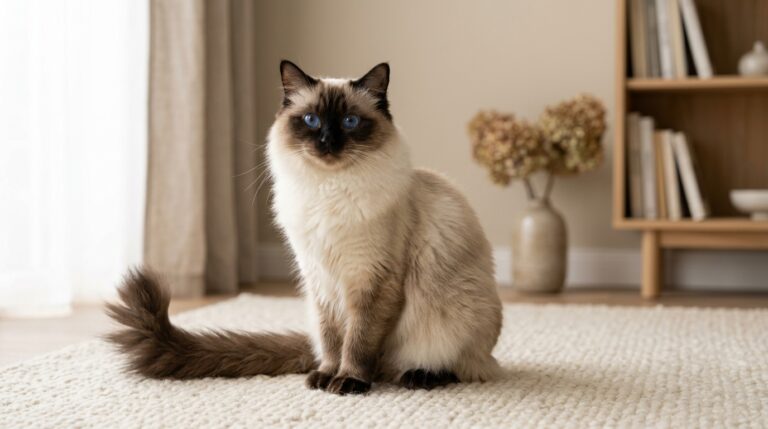
Ragdoll cats are among the most recognizable and sought-after cat breeds in the world. Their striking blue eyes, soft semi-long coat, large size, calm personality, and affectionate nature make them especially appealing to cat lovers. However, anyone researching this breed quickly notices that Ragdoll kittens can cost considerably more than many other cats. This naturally leads to an important question: why are Ragdoll cats so expensive?
The high price of a Ragdoll cat is usually connected to much more than its appearance. Responsible breeding requires significant financial investment, careful planning, health screening, veterinary care, quality nutrition, and years of experience. A reputable breeder also spends considerable time raising kittens in a clean, safe, and socially stimulating environment before they are ready for a new home. These costs are reflected in the price of a healthy, well-raised kitten.
Ragdolls are also a recognized purebred with specific physical and behavioral characteristics. Maintaining those characteristics requires selective breeding and careful attention to pedigrees and breed standards. Factors such as bloodline, registration, breeder reputation, location, kitten quality, and health testing can all influence the final price. Understanding these factors makes it easier to see why purchasing a Ragdoll is often a significant financial commitment.
Why Are Ragdoll Cats So Expensive?
The answer to why Ragdoll cats are so expensive comes down to several connected factors. Responsible breeders invest money and time before a kitten is ever placed for sale. They must care for breeding cats throughout their lives, arrange veterinary examinations, provide appropriate nutrition, perform recommended genetic testing, manage pregnancies, care for newborn kittens, and ensure that young cats receive proper vaccinations and preventive care.
Ragdoll kittens also mature relatively slowly compared with many common domestic cats. Responsible breeders generally keep kittens with their mothers and littermates for an appropriate period so they can develop socially and physically. This means the breeder continues paying for food, litter, veterinary care, housing, and daily care before receiving payment for the kitten.
The breed’s popularity contributes to demand as well. Ragdolls have become particularly popular among people looking for affectionate companion cats with distinctive appearances. When demand is strong and responsibly bred kittens are limited, prices can remain relatively high.
Another important factor is that not every Ragdoll carries the same level of pedigree or breeding quality. A kitten from carefully documented lines, with extensive health records and parents selected according to recognized breed standards, can cost substantially more than a cat with uncertain ancestry.
Ragdoll Cats Are a Popular Purebred Breed
One of the primary reasons Ragdoll cats can be expensive is their status as a recognized purebred breed. Purebred cats are bred according to established characteristics involving appearance, structure, coat, color patterns, and temperament. Producing kittens that consistently meet those characteristics requires selective breeding rather than simply allowing cats to reproduce.
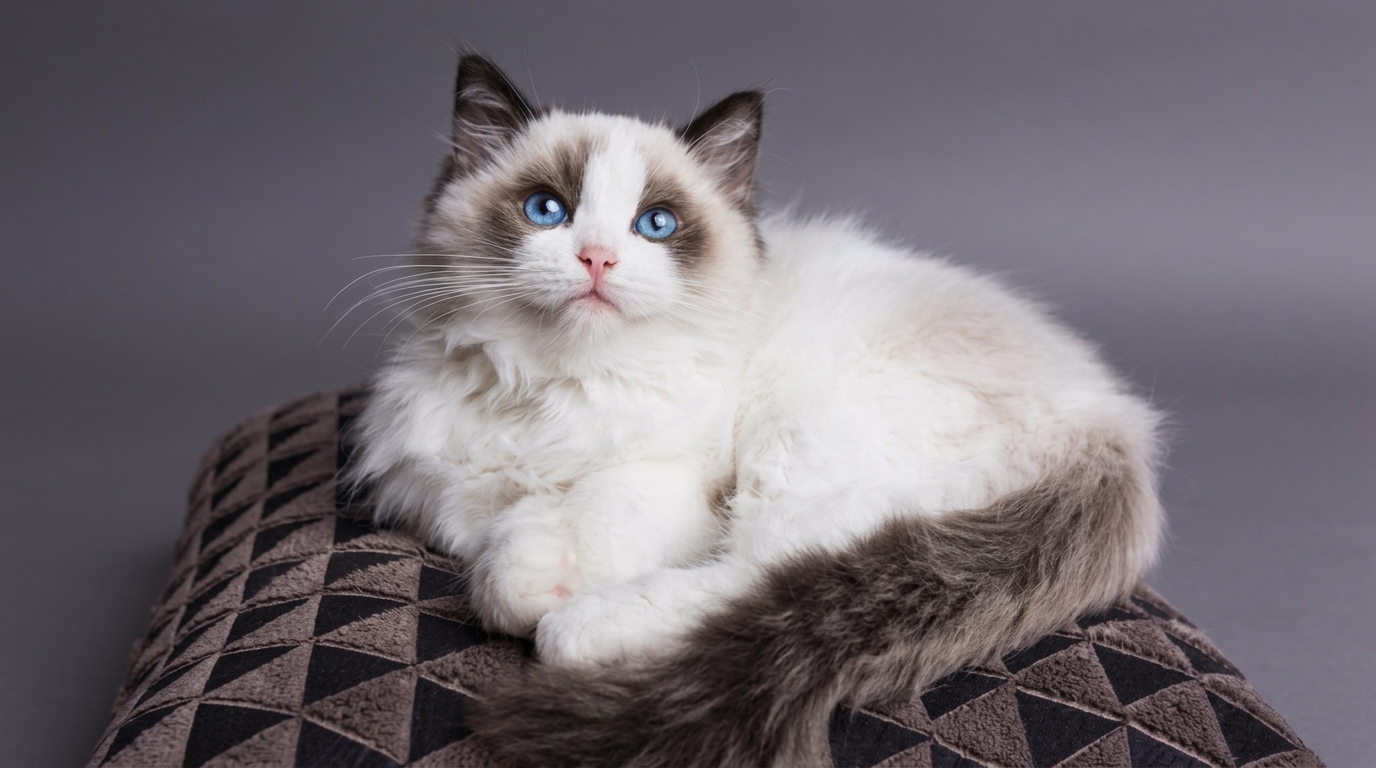
Ragdolls are known for their large bodies, distinctive color-point patterns, blue eyes, soft coats, and generally gentle personalities. Breeders who aim to preserve these characteristics carefully select parent cats. They consider pedigrees, physical traits, temperament, and health before planning a breeding.
Maintaining a purebred line requires documentation as well. Depending on the breeder and organization involved, registration and pedigree records may be part of the process. Keeping accurate breeding records helps establish ancestry and allows breeders to make more informed decisions about future pairings.
Purebred breeding also requires long-term planning. A responsible breeder cannot simply focus on producing as many kittens as possible. They must consider the health and characteristics of the parents, genetic diversity, litter planning, and the future welfare of the kittens. The financial cost of maintaining this process contributes to the final price of Ragdoll kittens.
Responsible Breeding Requires Significant Investment
Responsible breeding is one of the biggest reasons behind the price of a Ragdoll kitten. Breeders must spend money long before kittens are available to buyers. The cats used for breeding require appropriate housing, nutrition, veterinary examinations, preventive healthcare, grooming, and regular monitoring.
Choosing breeding cats is also a serious process. A responsible breeder does not select parents solely because they look attractive. Health, temperament, pedigree, genetic background, and breed characteristics all matter. Good breeding decisions can help reduce the likelihood of passing certain inherited problems to future generations.
Breeding females require additional care during pregnancy and after giving birth. Pregnancy monitoring, veterinary consultations, nutritional support, and emergency care can all add significant expenses. The breeder must also be prepared for unexpected complications that can require urgent veterinary attention.
After kittens are born, the financial responsibility continues. Newborn kittens need a clean environment, appropriate nutrition, monitoring, and regular care. As they grow, they may require vaccinations, deworming, veterinary examinations, identification, registration, and other preventive services.
The breeder also invests considerable time. Feeding, cleaning, monitoring, socializing, grooming, and handling kittens are daily responsibilities. This labor is not always obvious to someone simply looking at the purchase price, but it is an important part of producing a healthy and well-adjusted companion animal.
Ragdoll Kittens Receive Extensive Early Care
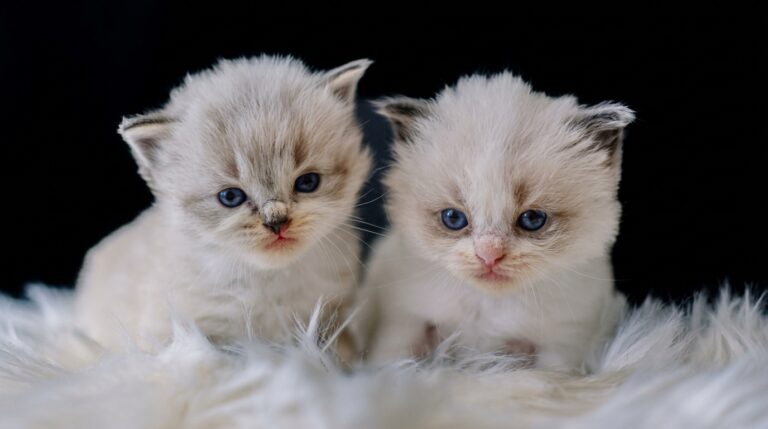
The first months of a kitten’s life are extremely important for physical development and social behavior. Responsible Ragdoll breeders invest heavily in providing proper early care. This contributes directly to the price of kittens.
Nutrition is an important part of early development. Growing kittens need food that supports healthy growth and development. Breeders must provide appropriate meals while monitoring the kittens’ condition and development. Food expenses can become substantial when caring for an entire litter along with adult breeding cats.
Veterinary care is another major expense. Kittens may require examinations, vaccinations, parasite prevention, and other routine services before they leave the breeder. Some breeders also perform additional health screening depending on their breeding program and veterinary recommendations.
Socialization requires time rather than simply money. Kittens benefit from appropriate human interaction, gentle handling, exposure to normal household sounds, and positive experiences. Early socialization can help kittens become more comfortable with people and their new environments.
The breeder also needs to maintain a clean living environment. Bedding, litter, cleaning supplies, grooming equipment, food bowls, carriers, and other materials all create ongoing expenses. When these costs are spread across a litter, they become part of the overall cost of raising each kitten.
Pedigree and Bloodline Can Increase the Price
Pedigree is another major factor that can influence Ragdoll pricing. A pedigree provides information about a cat’s ancestry and can help demonstrate that the kitten comes from established purebred lines.
Not all Ragdoll cats have identical backgrounds. Some come from lines that have been carefully documented over multiple generations. Breeders may invest years developing and maintaining particular lines, selecting cats according to health, temperament, structure, coat, and other characteristics.
Show-quality or breeding-quality kittens can also have different pricing from kittens sold strictly as companions. The distinction depends on the breeder and the kitten’s characteristics, contractual terms, and intended purpose.
A strong pedigree does not automatically guarantee perfect health or temperament. Responsible buyers should therefore look at the complete picture rather than focusing only on ancestry. Health records, veterinary care, breeder practices, and living conditions remain important considerations.
Pedigree can nevertheless add value because it provides documented information about ancestry. For breeders who are building a responsible breeding program, reliable pedigree records can be an important part of making future breeding decisions.
Ragdolls Have Distinctive Physical Characteristics
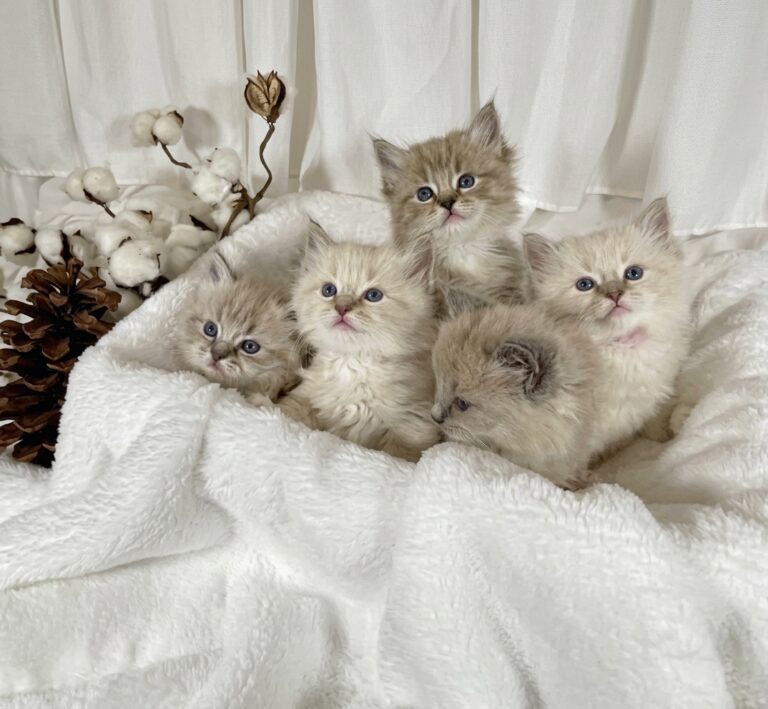
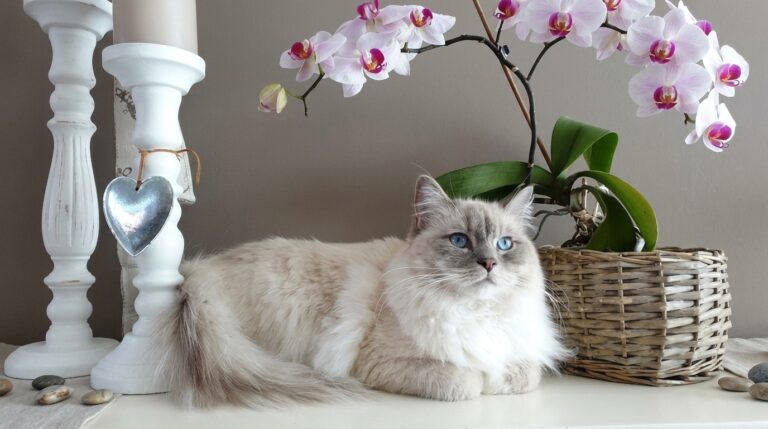
Ragdoll cats are visually distinctive, and their appearance contributes to their popularity. They are known for their large size, blue eyes, color-point patterns, and soft semi-long coats. Producing kittens that meet desired breed characteristics requires careful selection of parents.
Their size is another factor that can affect ownership costs. Larger cats generally require more food, larger equipment, and potentially more space than smaller cats. While this does not necessarily determine the purchase price, it contributes to the overall financial commitment involved in owning the breed.
The Ragdoll coat also requires regular attention. Their fur is relatively soft and can become tangled or matted without proper grooming. Regular brushing helps remove loose hair and maintain coat condition. Grooming supplies and professional grooming services, when used, can add to long-term ownership costs.
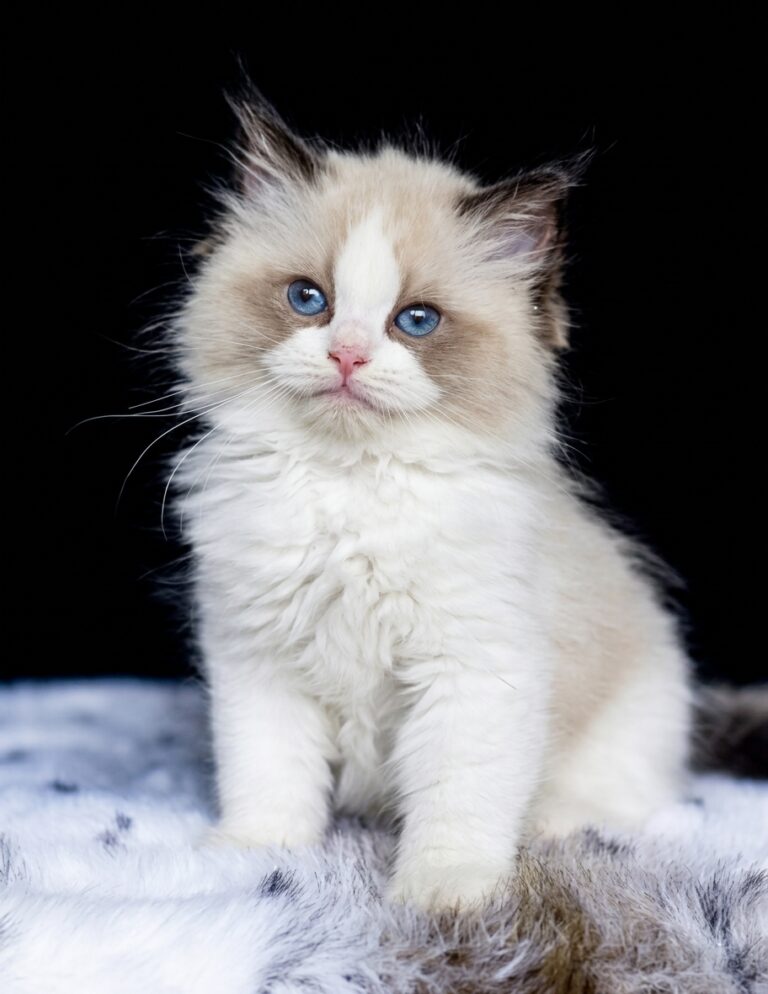
The breed’s signature blue eyes and pointed coloration are also part of its recognizable appearance. Because these traits are associated with the breed standard, breeders carefully consider coat patterns, coloration, and other physical characteristics when planning pairings.
The combination of appearance, size, coat, and temperament makes Ragdolls highly recognizable. Their distinctive characteristics contribute to demand, which can influence the price of responsibly bred kittens.
Health Testing Adds to Breeder Expenses
Health testing is another important factor when considering why Ragdoll cats are so expensive. Responsible breeders may invest in health screening to identify potential inherited conditions and make informed breeding decisions.
Genetic testing can provide useful information about whether breeding cats carry specific inherited traits. Veterinary examinations can also help identify health concerns before cats are included in a breeding program. These services cost money, and responsible breeders must absorb those expenses as part of maintaining their programs.
Heart health is particularly relevant when discussing Ragdolls because the breed can be affected by inherited forms of hypertrophic cardiomyopathy, commonly abbreviated as HCM. Genetic testing for known variants and appropriate veterinary evaluation may form part of a responsible breeding strategy, although genetic testing does not replace comprehensive veterinary care.
Health screening does not mean that every potential health problem can be eliminated. Genetics are complex, and no breeding program can guarantee that a cat will never develop a medical condition. However, responsible screening can help breeders make better-informed decisions.
Veterinary records are therefore valuable when evaluating a Ragdoll kitten. Buyers should be able to ask questions about vaccinations, parasite prevention, health examinations, and relevant testing performed by the breeder.
The cost of health testing can be substantial, especially when multiple breeding cats are involved. These expenses are one reason a responsibly bred kitten may cost considerably more than a cat produced without comparable health screening.
Demand for Ragdoll Cats Can Affect Prices
Supply and demand also influence Ragdoll prices. The breed has developed a strong reputation as a companion cat, and many people specifically search for Ragdoll kittens because of their appearance and personality.
When demand is high, responsible breeders may have waiting lists. A breeder who carefully limits the number of litters may have fewer kittens available than the number of interested buyers. This can contribute to higher prices.
Geography can also make a difference. Ragdoll prices vary between countries and regions because veterinary costs, registration requirements, transportation expenses, breeder operating costs, and local demand differ.
The reputation of the breeder can also influence pricing. A breeder with years of experience, documented pedigrees, health-testing practices, and strong demand may charge more than a new or less established breeder.
However, price alone should not be treated as proof of quality. An extremely expensive kitten is not automatically healthier or better bred, just as a lower-priced kitten is not automatically unsuitable. Buyers should examine the breeder’s practices, documentation, health care, and living conditions rather than relying on price as the only indicator.
How Much Does a Ragdoll Cat Cost?
There is no single worldwide price for a Ragdoll cat. The amount can vary significantly depending on location, breeder, pedigree, age, quality, registration, health care, and whether the cat is being sold as a companion, breeding cat, or show prospect.
Pet-quality kittens generally have different pricing from cats with characteristics considered suitable for breeding or showing. Contractual requirements can also vary. Some breeders sell kittens under agreements that include spay or neuter requirements, while others have separate arrangements for breeding-quality cats.
The age of the cat can also affect the price. Kittens are often in particularly high demand, while older cats may have different pricing. Retired breeding cats and adult Ragdolls can sometimes be available through breeders or rescue organizations under different circumstances.
Transportation can create additional expenses when a buyer obtains a kitten from another region. Travel arrangements, health certificates where required, carriers, and other logistics may increase the total cost.
Because prices vary so widely, prospective owners should research breeders in their region and compare what is included in the purchase price. A kitten that appears more expensive may include veterinary care, vaccinations, registration, health documentation, and other services that another seller does not provide.
Are Expensive Ragdoll Cats Worth the Price?
Whether a Ragdoll cat is worth its purchase price depends on the individual buyer’s circumstances, expectations, and budget. The price should be viewed as one part of the overall commitment rather than the entire cost of ownership.
A responsible buyer should consider the kitten’s health, breeder practices, temperament, living environment, documentation, and long-term needs. The initial purchase is only the beginning. Food, litter, veterinary care, grooming, toys, scratching equipment, and emergency expenses continue throughout the cat’s life.
Ragdolls can be affectionate and people-oriented cats, which makes them appealing to households that want an interactive companion. However, personality varies between individual cats. Buyers should therefore focus on the individual kitten and the breeder’s socialization practices rather than assuming every Ragdoll will behave the same way.
The financial responsibility of owning a Ragdoll should also be considered before purchasing. A buyer who can comfortably afford the initial cost but cannot consistently afford veterinary care, nutrition, grooming, and other necessities may face difficulties later.
A responsible purchase is therefore about more than finding the lowest price or paying the highest price. It is about finding a healthy, appropriately raised cat from a breeder or organization that prioritizes animal welfare.
What Makes a Ragdoll Breeder Reputable?
Finding a responsible breeder is one of the most important steps when purchasing a Ragdoll kitten. A reputable breeder should be willing to discuss their breeding practices, health testing, veterinary care, pedigree records, and kitten socialization.
Transparency is an important characteristic. Breeders should not be reluctant to answer reasonable questions about the kitten’s parents, health history, vaccinations, registration, and living conditions.
The environment where kittens are raised also matters. Clean surroundings, appropriate nutrition, veterinary care, and regular human interaction are important components of responsible kitten raising.
A reputable breeder should also care about where their kittens are going. They may ask prospective owners questions about their home, experience with cats, lifestyle, and plans for caring for the kitten. This can be a positive sign because responsible breeders generally want their cats placed in suitable homes.
Health documentation is another important consideration. Buyers should receive appropriate records and understand what veterinary care has already been provided.
A breeder who guarantees that a kitten will never experience health problems should be approached carefully. No responsible breeding program can guarantee perfect lifelong health. A more realistic approach is transparent health screening, appropriate veterinary care, and honest communication about known risks.
Additional Costs of Owning a Ragdoll Cat
The purchase price is only one part of the financial commitment involved in owning a Ragdoll. Food is an ongoing expense, and larger cats may consume more food than smaller cats. High-quality nutrition should be included in the household budget.
Litter is another recurring cost. Ragdoll owners may need to purchase litter regularly and maintain appropriate litter boxes. Because the breed is large, owners may find that spacious litter boxes are more practical.
Veterinary care is essential throughout the cat’s life. Routine examinations, vaccinations, parasite prevention, dental care, and unexpected medical treatment can all create expenses. Emergency veterinary care can be particularly costly, so owners should consider maintaining an emergency fund or exploring suitable pet insurance options where available.
Grooming supplies are also useful. Regular brushing can help reduce loose hair and prevent tangles. Owners may need brushes, combs, nail clippers, and other grooming equipment.
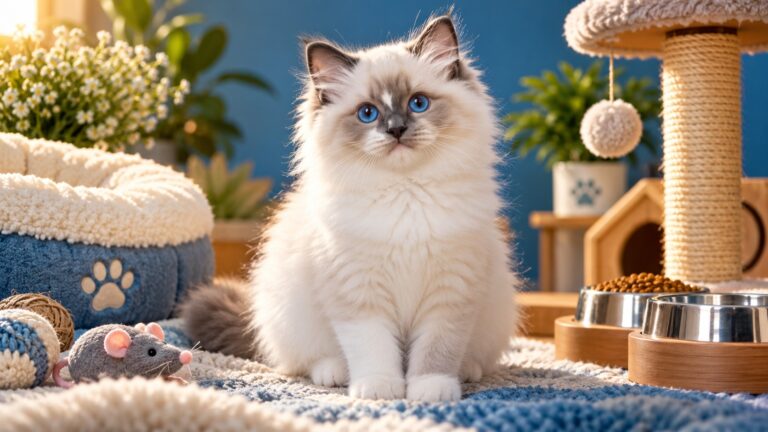
Environmental enrichment should not be overlooked. Scratching posts, climbing structures, toys, comfortable sleeping areas, and interactive activities can help support a cat’s physical and mental well-being.
When all of these expenses are considered together, the lifetime cost of a Ragdoll can be significantly higher than the initial purchase price.
Are Ragdoll Cats More Expensive to Maintain?
Ragdolls can require a meaningful financial commitment because of their size, coat, nutrition, grooming, and veterinary needs. Their maintenance is not necessarily dramatically more expensive in every category than that of other cats, but certain characteristics can increase expenses.
Their large size can mean greater food consumption and the need for larger accessories. Their semi-long coat requires regular brushing to reduce tangles and maintain a healthy appearance.
Veterinary care is another important consideration. All cats need routine veterinary attention, but owners should be prepared for potential health expenses regardless of breed.
Ragdolls are also often closely attached to their human families. Providing companionship, interactive play, and environmental enrichment is an important part of responsible ownership. While these activities do not always cost money, they require time and attention.
Potential owners should therefore evaluate both financial and lifestyle commitments before purchasing a Ragdoll. The breed can be a long-term companion, and responsible ownership requires planning for the entire life of the cat.
Ragdoll cats are among the most recognizable and sought-after cat breeds in the world. Their striking blue eyes, soft semi-long coat, large size, calm personality, and affectionate nature make them especially appealing to cat lovers. Ragdolls have several distinctive physical and behavioral characteristics that make them different from many other domestic cat breeds. According to the Cat Fanciers’ Association Ragdoll breed profile, the breed is recognized for its distinctive appearance and gentle temperament, which are important reasons for its continuing popularity among cat owners.
Why Cheap Ragdoll Cats Can Require Extra Attention
A surprisingly low price does not necessarily mean a buyer has found a great deal. When a kitten is advertised at a price far below what responsible breeding typically costs in a particular region, buyers should investigate what is included.
Very low prices may sometimes reflect differences in veterinary care, documentation, breeding practices, socialization, registration, or the seller’s circumstances. Buyers should not assume that every inexpensive Ragdoll is unhealthy, but they should ask more questions before making a decision.
Health records are particularly important. Buyers should understand whether the kitten has received appropriate vaccinations, parasite treatment, and veterinary examinations.
The kitten’s environment also deserves attention. Seeing where the kittens are raised can provide useful information about cleanliness, socialization, and general welfare.
Potential owners should also be cautious about sellers who pressure them to make immediate payments or refuse reasonable questions. A responsible transaction should allow time for the buyer to understand the kitten’s background and care requirements.
Why Some Ragdolls Cost More Than Others
Even within the same breed, Ragdoll prices can vary substantially. Pedigree is one factor, but it is not the only one. Breeder experience, health testing, location, registration, kitten quality, coat characteristics, and intended purpose can all affect pricing.
A kitten intended as a companion may have different requirements from a kitten selected as a potential breeding or show cat. Breeders may evaluate physical structure, coat, pattern, temperament, and pedigree when making these distinctions.
The costs of operating a breeding program also differ. Veterinary services, food, housing, registration, and general operating expenses vary by location. These differences naturally affect kitten prices.
Demand can also change over time. When interest in Ragdolls increases while the number of responsibly bred kittens remains limited, prices may rise.
For this reason, comparing two Ragdoll kittens based only on their advertised prices can be misleading. Buyers should compare what each price includes and evaluate the breeder’s overall practices.
What Should You Check Before Buying a Ragdoll Cat?
Before purchasing a Ragdoll, prospective owners should research the breeder carefully. The breeder’s experience, health practices, kitten-raising environment, and willingness to provide documentation are all important.
Ask about the kitten’s parents and ancestry. Understand whether the parents have been screened for relevant inherited conditions and whether veterinary records are available.
Ask about vaccinations, deworming, identification, and other routine care. The breeder should be able to explain what has already been completed and what the new owner will need to arrange.
Consider the kitten’s temperament and socialization. A kitten that has received regular positive human interaction may transition more easily into a new home.
The purchase agreement should also be read carefully. It may contain information about registration, breeding rights, spaying or neutering, health guarantees, returns, and responsibilities after purchase.
Finally, consider whether your household is prepared for a large, long-haired cat. Ragdolls can be wonderful companions, but they require long-term commitment and consistent care.
FAQs
Why are Ragdoll cats so expensive?
Ragdoll cats can be expensive because responsible breeding involves significant costs. These can include breeding cats, health testing, veterinary care, nutrition, kitten vaccinations, parasite prevention, socialization, pedigree documentation, housing, and daily care. Breed popularity and demand can also influence the price.
What makes Ragdoll kittens more expensive than many other cats?
Ragdolls are a recognized purebred breed with specific physical and behavioral characteristics. Producing healthy kittens that meet breed standards requires selective breeding, health screening, careful kitten care, and pedigree management. These responsibilities increase the cost of producing each kitten.
Does pedigree affect the price of a Ragdoll?
Yes, pedigree can influence price. Kittens from documented and established bloodlines may cost more, particularly when their ancestry and characteristics are important for breeding or showing. However, pedigree should be considered alongside health, temperament, and breeder practices.
Are Ragdoll cats expensive to maintain?
Ragdolls can involve significant ongoing expenses. Their larger size can increase food and equipment requirements, while their semi-long coats require regular grooming. Veterinary care, litter, toys, enrichment, and routine supplies also contribute to lifetime ownership costs.
Are cheap Ragdoll kittens safe to buy?
A low price does not automatically mean that a kitten is unhealthy, but buyers should investigate carefully. Health records, veterinary care, breeder practices, kitten living conditions, and pedigree information should all be considered before purchasing.
Why do Ragdoll breeders charge different prices?
Different breeders have different operating costs, breeding programs, pedigrees, health-testing practices, experience levels, and locations. Kittens can also differ in quality and intended purpose. These factors can create substantial differences in price.
Do Ragdoll cats need special grooming?
Ragdolls have semi-long coats that benefit from regular brushing. Grooming helps reduce loose hair and tangling and allows owners to monitor the condition of the skin and coat. Regular nail care and routine hygiene are also part of responsible ownership.
Are Ragdoll cats good family pets?
Ragdolls are widely known for their affectionate and generally calm nature, which contributes to their popularity as companion cats. However, individual personalities differ, and every cat needs appropriate care, socialization, enrichment, and a suitable home environment.
Final Thoughts
Understanding why Ragdoll cats are so expensive requires looking beyond the price tag. The cost of a responsibly bred Ragdoll reflects many different investments made before the kitten reaches its new home. Breeding cats need proper nutrition and veterinary care, while breeders must invest in health screening, pedigrees, housing, and responsible breeding decisions.
The kittens themselves require food, veterinary examinations, vaccinations, parasite prevention, socialization, grooming, and daily attention. These expenses accumulate throughout the breeding and kitten-raising process. Demand for this popular breed can further influence the market price.
A Ragdoll’s purchase price should therefore be considered alongside the long-term cost of ownership. Food, litter, grooming, veterinary care, enrichment, and unexpected medical expenses all form part of the financial responsibility of owning a cat.
For prospective owners, the most important goal should not simply be finding the cheapest or most expensive Ragdoll. Instead, buyers should look carefully at health records, breeder transparency, kitten care, pedigree information, socialization, and the overall conditions in which the cat was raised.
Ragdolls can become loving and rewarding companions, but they are a long-term commitment. Understanding the reasons behind their price helps potential owners make informed decisions and prepare properly for the responsibilities that come with bringing one of these beautiful cats into the home.