
How Much Do Ragdoll Cats Weigh? Healthy Weight Guide
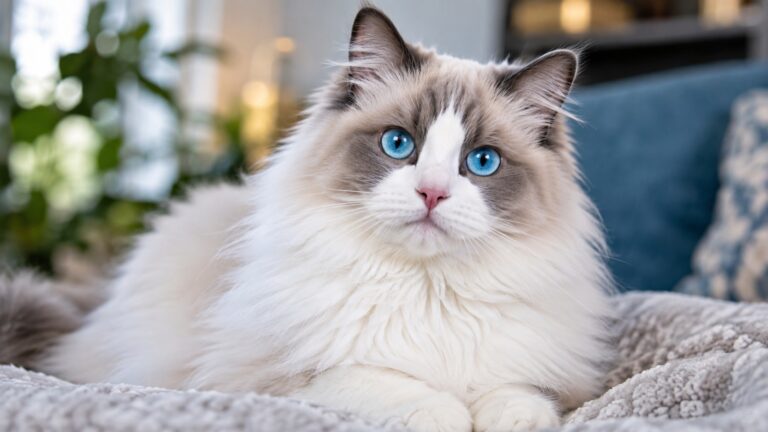
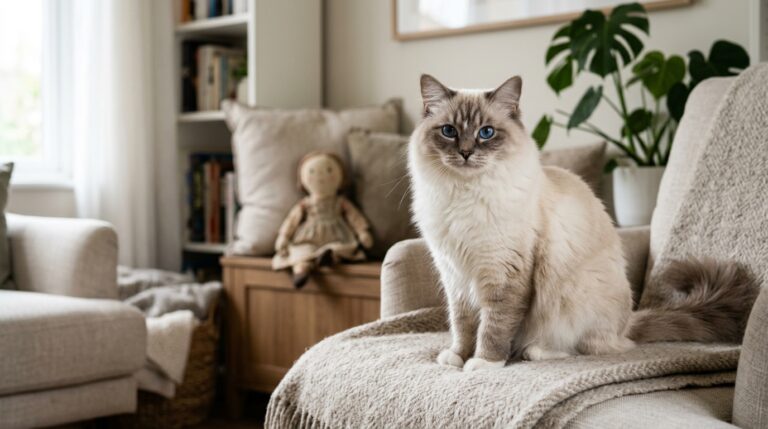
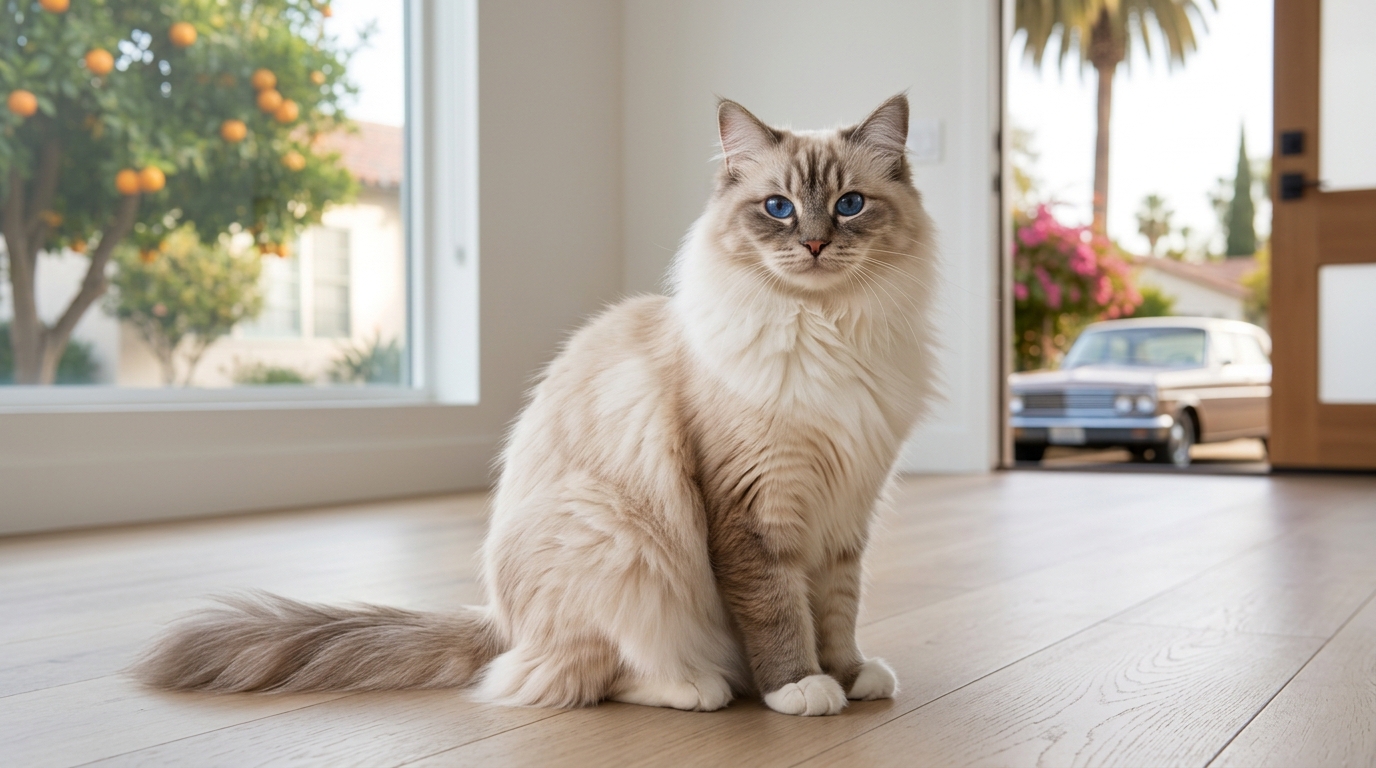
Ragdoll cats are one of the largest and most recognizable domestic cat breeds, known for their gentle personalities, beautiful blue eyes, soft semi-long coats, and impressive size. If you are considering bringing a Ragdoll into your home or already have one, you may naturally wonder: how much do Ragdoll cats weigh? Understanding a Ragdoll’s normal weight can help you monitor growth, choose appropriate food portions, and notice changes in body condition.
A healthy Ragdoll can have a surprisingly large frame compared with many other domestic cats. However, there is no single weight that is considered perfect for every Ragdoll. Weight can vary depending on sex, age, genetics, body structure, activity level, diet, and overall health. Male Ragdolls generally become larger and heavier than females, while kittens gradually gain weight as they mature. The breed is also known for taking several years to reach full physical maturity.
When considering Ragdoll cat weight, the number shown on a scale is only one part of the picture. A cat can weigh within a commonly reported range and still carry too much or too little body fat. For this reason, responsible weight monitoring should include body shape, muscle condition, eating habits, activity, and changes over time. This guide explains Ragdoll weight from kittenhood through adulthood and discusses the factors that can influence a healthy weight.
How Much Do Ragdoll Cats Weigh?
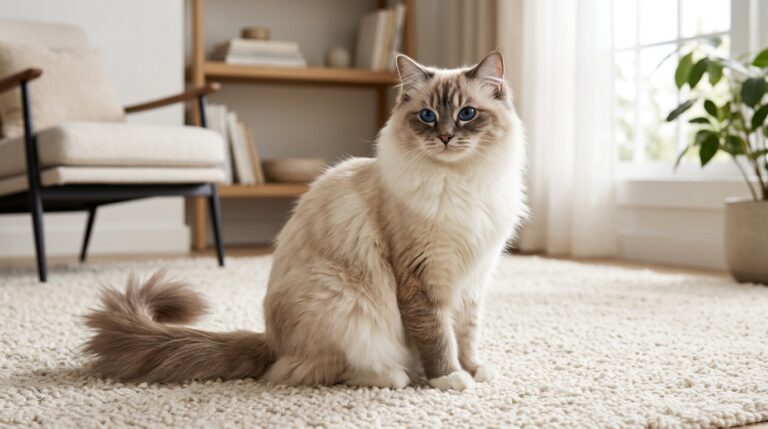
Adult Ragdoll cats are generally considered a large breed, with males usually weighing more than females. A fully grown male Ragdoll commonly weighs around 15 to 20 pounds, while females often weigh approximately 10 to 15 pounds. Individual cats can fall outside these ranges because every Ragdoll has its own genetic background, body structure, and growth pattern.
Ragdolls are not simply large because they carry more body fat. They have a naturally substantial bone structure and muscular body. Their size can also be visually emphasized by their long coat, which can make them appear even bigger than they actually are. This is one reason owners should avoid judging a Ragdoll’s health based only on appearance.
Age is another important consideration. A young Ragdoll should not be expected to weigh the same as an adult. The breed develops relatively slowly, and some cats continue growing and filling out well beyond their first year. A kitten that appears small compared with an adult Ragdoll may still be progressing normally.
The most useful approach is to look at weight as part of the cat’s overall growth pattern. Consistent growth, good muscle tone, normal energy, and a healthy body condition are generally more informative than one isolated measurement.
How Much Do Male Ragdoll Cats Weigh?
Male Ragdoll cats are typically larger than females and often develop a heavier bone structure and greater overall body mass. A mature male commonly falls within the range of approximately 15 to 20 pounds, although some healthy individuals may weigh somewhat less or more depending on their build and genetics.
Male Ragdolls may look particularly impressive once their bodies are fully developed. Their broad chest, large frame, substantial legs, and long body contribute to their overall size. Their coat can also make their silhouette appear larger, especially around the neck, chest, and tail.
It is important not to assume that a heavier male is automatically healthier. A large-framed Ragdoll can naturally weigh more than another male without being overweight. At the same time, excessive weight can put additional stress on the joints and may contribute to other health problems. The goal should be maintaining an appropriate body condition rather than reaching a particular number on the scale.
Male Ragdolls also mature gradually. A young male may look lean or somewhat lanky during certain stages of development before eventually developing a broader and more substantial adult body. Monitoring gradual changes can provide a better understanding of normal growth than comparing a young cat directly with a fully mature adult.
How Much Do Female Ragdoll Cats Weigh?
Female Ragdoll cats are usually smaller than males, although they are still considered large compared with many other domestic cat breeds. Adult females commonly weigh around 10 to 15 pounds, but healthy individual cats can naturally fall outside this range.
A female Ragdoll’s ideal weight depends on her frame, muscle mass, age, and lifestyle. A smaller-framed female may be perfectly healthy at a weight that would be considered light for a large male. Similarly, a large-framed female may naturally weigh more without being overweight.
Because Ragdolls have dense and fluffy coats, visual assessment can sometimes be difficult. Owners may need to gently feel the cat’s body rather than relying entirely on what they see. The ribs should generally be possible to feel without being excessively prominent, while the body should maintain a balanced shape.
Female Ragdolls can also experience changes in weight after reaching reproductive maturity or after being spayed. Changes in metabolism and activity can influence calorie requirements, so feeding amounts may need to be adjusted as the cat’s lifestyle changes.
Ragdoll Cat Weight by Age
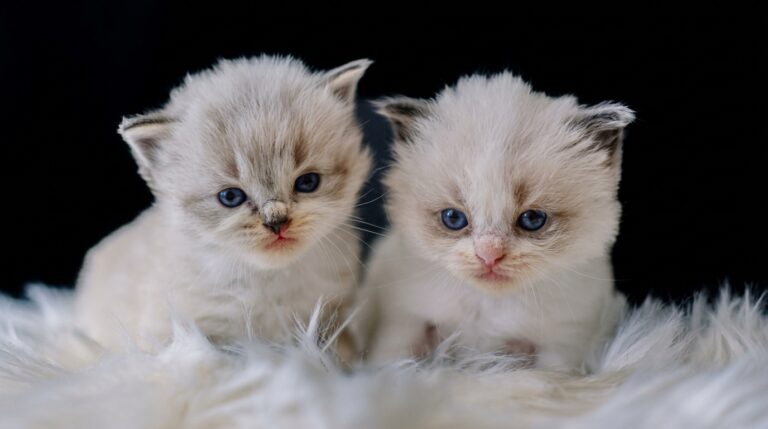
Ragdoll kittens go through several stages of growth before reaching their adult size. During the first months of life, weight can increase relatively quickly. As the kitten becomes older, growth continues but may become less dramatic. Ragdolls are a slow-maturing breed, so physical development can continue for several years.
Newborn Ragdoll kittens are naturally very small compared with their eventual adult size. During the first weeks, their main nutritional needs are connected to growth and development. Proper nutrition during this period is particularly important because kittens require energy and nutrients to support developing bones, muscles, organs, and immune function.
During the first few months, Ragdoll kittens gradually become heavier and more active. Their bodies begin developing the characteristic proportions associated with the breed. At this stage, differences between individual kittens can be noticeable, and littermates may not always grow at exactly the same rate.
Between roughly four and six months, kittens continue gaining size and developing muscle. Their legs and body may appear somewhat disproportionate at times as different parts of the body grow at different rates. This is normal during many stages of kitten development.
From six months to one year, a Ragdoll can continue gaining significant weight, although the growth pattern varies between individuals. Reaching one year of age does not necessarily mean that the cat has reached full adult size. Many Ragdolls continue filling out after their first birthday.
During the second and third years, a Ragdoll may continue developing a more mature body shape. Some cats gain additional muscle and overall substance during this period. This slow maturation is one of the distinctive characteristics that owners should understand when evaluating the breed’s size.
Ragdoll Kitten Weight Chart
A Ragdoll kitten weight chart can be useful for tracking general development, but it should never be treated as an exact target that every kitten must reach. Growth can vary based on genetics, sex, nutrition, litter size, health, and other factors.
During the newborn stage, kittens are dependent on their mother for nutrition and care. Their weight should increase steadily during early development. A kitten that consistently fails to gain weight may require professional assessment.
At around one to three months, kittens are becoming increasingly active and beginning important developmental changes. Their body weight should generally increase as they grow, but individual differences can be significant.
Between four and six months, the kitten begins looking less like a tiny baby and more like a young cat. Weight gain continues, and muscle development becomes increasingly important. Good nutrition and appropriate feeding are essential during this stage.
From seven to twelve months, a Ragdoll may become considerably larger, but the cat may still have a long way to go before reaching full maturity. Owners should avoid restricting food simply because the kitten appears larger than expected without first considering body condition and professional guidance.
After twelve months, many Ragdolls continue developing. A cat that appears relatively lean at one year may naturally gain additional muscle and body mass during the following years.
When Do Ragdoll Cats Reach Their Full Weight?
Ragdolls are slow-maturing cats, and they can take considerably longer to reach their full physical development than many other breeds. Many Ragdolls continue growing and filling out until they are around three to four years old.
This extended development period means that owners should not assume that a one-year-old Ragdoll has reached its final adult weight. Some cats continue gaining muscle, developing a broader body, and becoming more substantial during their second and third years.
Genetics plays an important role in determining when a Ragdoll reaches mature size. Family history can influence bone structure, body length, muscle mass, and overall adult weight. Male and female cats can also follow different growth patterns.
The important point is that Ragdoll growth should be viewed as a gradual process. Sudden changes in weight are more important to investigate than small differences between a cat’s current weight and a general breed range.
What Factors Affect a Ragdoll Cat’s Weight?
Several factors influence how much an individual Ragdoll cat weighs. Genetics is one of the most important because it determines much of the cat’s natural size and body structure. Cats from larger bloodlines may naturally develop heavier frames than cats with smaller parents.
Sex also plays a major role. Male Ragdolls are generally larger than females and often have greater muscle mass and heavier bone structure. However, there is still considerable variation among individual cats.
Age is another major factor. A kitten should naturally weigh much less than a mature adult. Because Ragdolls mature slowly, their weight can continue changing for several years.
Diet has a direct relationship with weight. Cats that consume more calories than they use can gradually gain excess body fat. On the other hand, insufficient nutrition can interfere with normal growth and maintenance.
Activity level also matters. An active Ragdoll that regularly plays, climbs, and moves around the home may use more energy than a sedentary cat. Indoor cats can sometimes become less active, particularly if they have limited play opportunities.
Spaying or neutering can also influence calorie needs and body weight. Metabolic and behavioral changes after these procedures may mean that feeding portions need to be reconsidered. Owners should discuss appropriate nutrition with a veterinarian rather than automatically increasing or decreasing food.
Health conditions can affect weight as well. Unexpected weight gain or loss may sometimes be connected to an underlying problem. A noticeable change that cannot be explained by diet, activity, or another obvious factor deserves attention.
How to Tell if Your Ragdoll Cat Is a Healthy Weight
Determining whether a Ragdoll has a healthy weight requires more than stepping on a scale. Body condition is an important part of the assessment because two cats can weigh the same but have very different amounts of muscle and body fat.
One useful approach is gently feeling the ribs. In a healthy cat, the ribs should generally be easy to feel beneath a modest layer of tissue. They should not be extremely difficult to locate because of excessive fat, but they also should not be sharply visible or prominent.
The waist can provide another clue. When viewed from above, a healthy cat generally has some narrowing behind the rib cage. The shape should not be completely straight from the chest to the hips.
The abdomen can also provide useful information. A cat carrying excess body fat may have a noticeably rounded or sagging abdomen. However, body shape naturally varies, so these observations should be considered alongside other signs.
Because Ragdolls have long, fluffy coats, looking at the body alone can be misleading. Regular gentle handling can help owners become familiar with their cat’s normal body condition.
A veterinarian can provide a more objective body condition assessment and help determine whether a particular weight is appropriate for the individual cat.
Is My Ragdoll Cat Overweight?
An overweight Ragdoll may have excessive fat around the abdomen, chest, and other areas of the body. The ribs may become increasingly difficult to feel, and the natural waist may become less noticeable.
Reduced activity can sometimes accompany excess weight. A cat may become less interested in playing, jumping, climbing, or moving around the home. Some cats may also have difficulty grooming areas of their body if they become significantly overweight.
Weight gain can happen gradually, which makes it easy for owners to overlook. A cat may gain a small amount of weight each month until the change becomes significant. Regular weighing can make these gradual changes easier to detect.
If you believe your Ragdoll is overweight, sudden food restriction is generally not an appropriate approach. Cats have specific nutritional needs, and rapid weight loss can create health risks. A veterinarian can help establish an appropriate feeding and weight-management plan.
Maintaining an appropriate weight is especially important for a large breed because excess body mass can place additional stress on the joints and make movement more difficult.
Is My Ragdoll Cat Underweight?
An underweight Ragdoll may have ribs, spine, or hip bones that are unusually prominent. The cat may also have reduced muscle mass and a noticeably thin body shape.
Weight loss can occur for many reasons. Changes in appetite, dental problems, digestive issues, parasites, stress, illness, or other health concerns may affect a cat’s weight. Sometimes an owner may notice the weight loss before seeing any other obvious sign.
A small or naturally slender Ragdoll is not automatically underweight. Some cats simply have smaller frames or different body proportions. The key issue is whether the cat’s body condition is appropriate and whether its weight is stable.
Unexplained weight loss should be taken seriously, particularly when it happens quickly or is accompanied by changes in appetite, thirst, energy, digestion, grooming, or behavior. Professional veterinary evaluation can help identify the cause.
How to Help Your Ragdoll Maintain a Healthy Weight
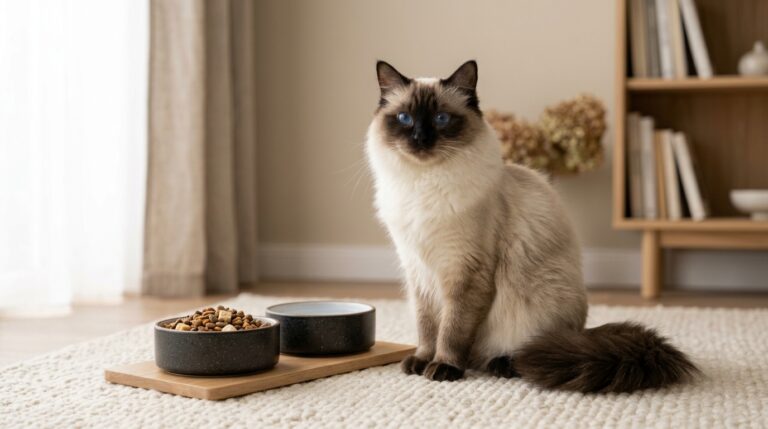
Maintaining a healthy Ragdoll weight starts with appropriate nutrition. Food should provide the nutrients required for the cat’s age, size, activity level, and life stage. Feeding amounts should be based on the individual cat rather than simply filling the bowl whenever it becomes empty.
Portion control can be particularly useful for cats that are prone to overeating. Some Ragdolls may enjoy food enough to consume more calories than they need, especially when meals are freely available throughout the day.
Regular physical activity is another important part of weight management. Interactive play can encourage movement and provide mental stimulation. Toys, climbing structures, scratching posts, and other enrichment can help an indoor Ragdoll remain active.
Treats should also be considered part of the cat’s total daily calorie intake. Frequent treats can contribute to weight gain even when regular meals are appropriately portioned.
Monitoring weight periodically can help owners recognize changes early. Weighing a cat under similar conditions can make trends easier to identify. A sudden change should be discussed with a veterinarian when there is no clear explanation.
Healthy weight management should always focus on gradual and sustainable changes. Extreme dieting or sudden calorie restriction can be harmful to cats and should not be attempted without professional guidance.
How Much Should a Ragdoll Kitten Weigh?
There is no single weight that every Ragdoll kitten should reach at a particular age. Growth varies considerably between kittens, and male kittens may develop differently from females.
A healthy kitten should generally show consistent growth and development. Appetite, energy, muscle development, coat condition, and overall behavior can all provide useful health information.
Instead of focusing only on whether a kitten has reached a specific number, owners should monitor the overall growth trend. A kitten that steadily gains weight and remains active may be progressing appropriately even if its weight differs from a general chart.
Kittens also require different nutritional support from adult cats. Their growing bodies need adequate energy and nutrients, so feeding a kitten-appropriate diet is important during development.
If a Ragdoll kitten is not gaining weight as expected, loses weight, becomes unusually tired, develops digestive problems, or shows a significant change in appetite, veterinary advice should be sought promptly.
Ragdoll Cat Weight vs. Other Cat Breeds
Ragdolls are generally larger than many common domestic cat breeds. Their substantial bone structure, long body, and muscular build contribute to their impressive adult size.
However, breed comparisons can sometimes create unrealistic expectations. Not every Ragdoll needs to reach the upper end of the typical weight range to be healthy. A smaller Ragdoll with an appropriate body condition can be just as healthy as a larger individual.
The visual appearance of a Ragdoll can also be misleading because its coat adds considerable volume. A heavily coated cat may look much heavier than a short-haired cat of the same actual weight.
Breed standards and general weight ranges are useful for understanding typical characteristics, but they should not replace an individualized health assessment. Your cat’s body condition and growth history are more meaningful when determining whether its current weight is appropriate.
Does a Ragdoll’s Coat Affect How Heavy It Looks?
A Ragdoll’s coat can significantly influence how large the cat appears. Their semi-long fur creates additional volume around the body, neck, legs, and tail.
This is particularly noticeable during periods when the coat becomes especially full. An owner may assume that a fluffy Ragdoll is overweight simply because its body appears wider than expected.
Feeling the cat’s body can provide a more accurate impression. Gently checking the ribs and observing the overall body shape can help distinguish coat volume from actual body fat.
Regular grooming can also make changes in body condition easier to notice. Removing loose hair and keeping the coat well maintained allows owners to become more familiar with the cat’s underlying body shape.
Maintaining a healthy weight is an important part of caring for a Ragdoll cat, especially because this breed naturally has a substantial body structure. However, weight should always be considered alongside body condition, activity level, diet, and overall health rather than relying on a single number on the scale. The Cornell Feline Health Center recommends paying attention to a cat’s ideal body weight and working with a veterinarian when adjusting diet or managing weight. Regular monitoring can help owners recognize gradual changes and support their Ragdoll in maintaining a healthy body condition.
Should You Weigh Your Ragdoll Cat Regularly?
Regular weight monitoring can be useful, especially for kittens, older cats, cats with previous weight problems, and cats experiencing changes in health or diet.
The goal is not to become obsessed with small fluctuations. Instead, regular measurements can reveal longer-term trends. A gradual increase or decrease may be easier to recognize when weights are recorded over time.
For kittens, monitoring growth can be particularly valuable because their bodies are changing rapidly. For adult cats, periodic measurements can help identify changes before they become visually obvious.
The frequency of weighing depends on the individual cat. A veterinarian can recommend an appropriate monitoring schedule based on age, health, and weight-management needs.
Why Ragdoll Weight Should Be Monitored Over Time
A single weight measurement provides only a snapshot. Looking at how a Ragdoll’s weight changes over weeks, months, and years provides much more useful information.
A growing kitten should generally gain weight as it develops. An adult cat may maintain a relatively stable weight for long periods. Sudden changes from an established pattern may deserve closer attention.
Weight records can also help veterinarians evaluate health changes. If a cat becomes ill, previous weight information may provide useful context when determining how long a change has been occurring.
Owners can make monitoring easier by recording the date and weight each time the cat is measured. Keeping track of feeding changes, activity changes, and other relevant observations can also help identify possible causes of weight changes.
Common Mistakes When Managing Ragdoll Cat Weight
One common mistake is assuming that every Ragdoll should weigh the same. The breed has a wide range of natural variation, and individual body structure matters.
Another mistake is judging weight solely by appearance. Ragdolls have thick, fluffy coats that can make them look considerably larger than their actual body size.
Overfeeding is another concern. Because Ragdolls are large cats, owners may mistakenly assume that they need unlimited food. Their calorie needs depend on their age, activity, metabolism, and body condition rather than breed size alone.
The opposite problem can also occur when owners become concerned about a number on the scale and unnecessarily restrict food. Growing kittens in particular require adequate nutrition to support healthy development.
Finally, ignoring gradual changes can allow a small problem to become more significant. Regular monitoring makes it easier to recognize meaningful changes and seek advice when necessary.
FAQ
How much does a full-grown Ragdoll cat weigh?
A full-grown male Ragdoll commonly weighs around 15 to 20 pounds, while females often weigh approximately 10 to 15 pounds. Individual healthy cats can fall outside these ranges because genetics, body structure, age, and lifestyle all influence weight.
Are male Ragdoll cats heavier than females?
Male Ragdolls are generally heavier and larger than females. They often develop greater muscle mass, a broader body, and a heavier bone structure. However, individual variation means that some females may weigh more than some males.
How fast do Ragdoll kittens grow?
Ragdoll kittens grow steadily during their early months, but the breed matures relatively slowly. Growth continues well beyond the first year, and many Ragdolls continue filling out until they are around three to four years old.
At what age is a Ragdoll fully grown?
Ragdolls are slow-maturing cats and may not reach their full physical size until approximately three to four years of age. The exact timing varies between individual cats and can be influenced by genetics, sex, nutrition, and overall health.
Can a Ragdoll cat weigh more than the average?
Yes. Breed weight ranges describe typical patterns rather than strict limits. A large-framed Ragdoll may naturally weigh more than the commonly reported average while remaining healthy if its body condition is appropriate.
How can I tell if my Ragdoll is overweight?
Difficulty feeling the ribs, loss of a visible waist, a rounded body shape, and reduced activity can be signs of excess weight. Because Ragdolls have thick coats, physical assessment is often more useful than appearance alone.
How often should I weigh my Ragdoll cat?
The appropriate frequency depends on the cat’s age and health. Regular monitoring can be useful for growing kittens and cats managing their weight. Your veterinarian can recommend a schedule that fits your cat’s individual needs.
Do Ragdolls need more food because they are a large breed?
Ragdolls may have greater nutritional needs than some smaller cats, but food requirements should still be based on individual factors such as age, activity, metabolism, and body condition. Simply being a large breed does not mean a cat should have unlimited food.
Why is my Ragdoll gaining weight?
Weight gain can result from consuming more calories than the cat uses, reduced activity, changes after spaying or neutering, feeding habits, or other factors. If weight gain is rapid or unexplained, veterinary advice can help determine the cause.
Why is my Ragdoll losing weight?
Weight loss can have many possible causes, including changes in food intake, digestive problems, dental issues, parasites, stress, or underlying health conditions. Unexplained or rapid weight loss should be evaluated by a veterinarian.
Final Thoughts
Understanding how much do Ragdoll cats weigh is useful for every Ragdoll owner, but there is no single number that defines a healthy cat. Adult males commonly weigh more than females, and the breed’s slow growth means that young Ragdolls may continue developing for several years before reaching their mature size.
Genetics, sex, age, nutrition, activity, body structure, and health can all influence a Ragdoll’s weight. Because of these differences, a healthy weight should be evaluated in relation to the individual cat rather than by comparing the cat with a single breed average.
Regular monitoring is one of the simplest ways to understand your Ragdoll’s normal pattern. Paying attention to body condition, appetite, activity, and gradual changes can help you recognize when something may need attention. Maintaining appropriate nutrition and encouraging regular activity can also support a healthy body throughout the cat’s life.
If your Ragdoll experiences unexplained weight gain, weight loss, changes in appetite, reduced activity, or other unusual changes, professional veterinary advice is important. With appropriate nutrition, regular monitoring, exercise, and attentive care, owners can help their Ragdoll maintain a healthy body condition while enjoying the breed’s characteristic large and beautiful appearance.