
How Big Do Ragdoll Cats Get? Discover Their Impressive Size, Growth Stages, Weight, Height & Gentle Giant Charm
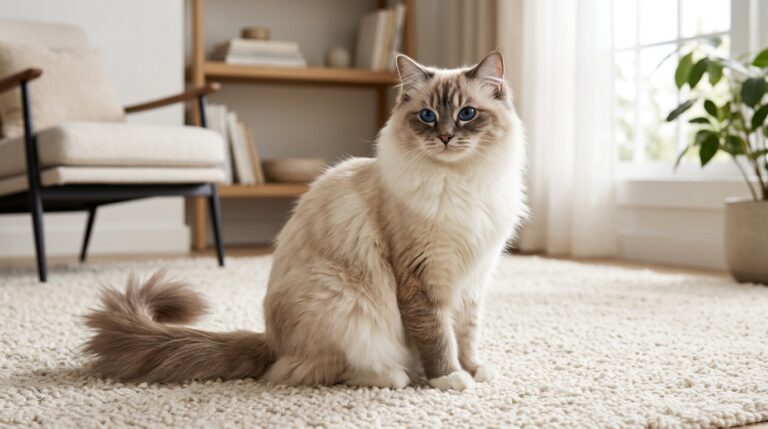
Ragdoll cats are known for their beautiful blue eyes, soft semi-long coats, relaxed personalities, and impressive size. If you have ever seen a Ragdoll beside an average house cat, you may have wondered just how big these gentle cats can become. Their large frames, long bodies, fluffy tails, and substantial paws can make them look remarkably majestic.
So, how big do Ragdoll cats get? Adult Ragdolls are generally considered one of the larger domestic cat breeds. Males commonly grow larger than females, although individual size can vary considerably. Unlike some cats that reach their adult size relatively quickly, Ragdolls are slow developers and can continue filling out for several years.
Understanding Ragdoll size is useful whether you already share your home with one, are thinking about adopting one, or simply want to learn more about this fascinating breed. Weight is only one part of the picture. Height, body length, bone structure, muscle, coat, age, genetics, nutrition, and overall health all contribute to how large a Ragdoll appears.
How Big Do Ragdoll Cats Get?
Ragdoll cats can become quite large compared with many common domestic cats. Adult males are often heavier and more substantial than females, while females usually have a somewhat smaller frame. However, there is no single weight or measurement that defines the perfect Ragdoll.
A healthy adult male may commonly weigh around 15 to 20 pounds, while some can be smaller or larger depending on genetics and body structure. Adult females are often around 10 to 15 pounds. These figures are general ranges rather than strict requirements, because healthy cats can naturally fall outside them.
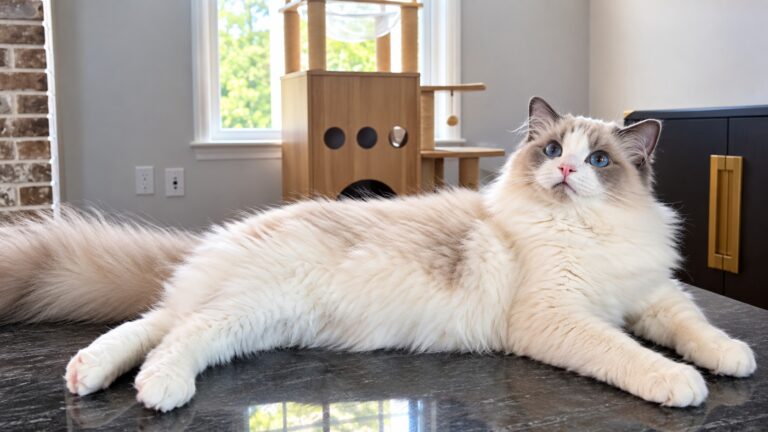
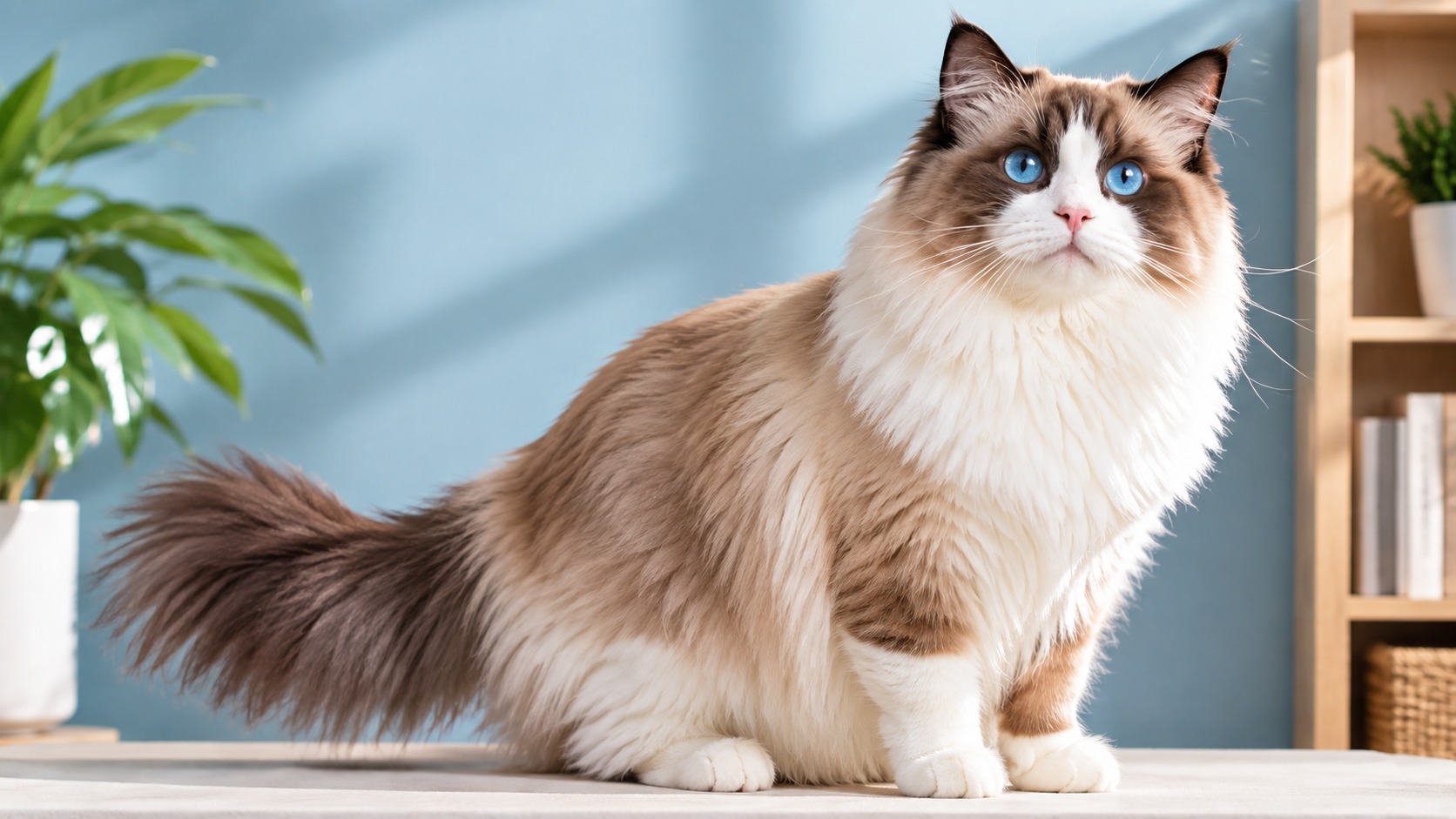
Ragdolls are also long-bodied cats. Their size is not simply a matter of stepping on a scale. A Ragdoll with a long torso, broad chest, large paws, and a full tail may look considerably larger than another cat with a similar weight.
Their coat adds another visual effect. The breed has a plush, semi-long coat that can make the body appear even more substantial. This is especially noticeable around the neck, chest, and tail.
How Much Do Ragdoll Cats Weigh?
Weight is one of the easiest ways to understand a Ragdoll’s overall size, but it should always be considered alongside body condition and development.
Average Weight of Male Ragdoll Cats
Male Ragdolls are typically the larger sex. Many mature males fall somewhere around 15 to 20 pounds, although individual cats can weigh less or more.
A male Ragdoll may gradually develop a broad chest, strong legs, large paws, and a long body. As he matures, his overall appearance can become increasingly substantial.
It is important not to assume that a heavier Ragdoll is automatically healthier. A cat’s ideal weight depends on its frame, age, activity level, and individual condition. A veterinarian can help determine whether a particular cat is growing appropriately.
Average Weight of Female Ragdoll Cats
Female Ragdolls are usually smaller than males but can still be impressive in size. Many adult females weigh approximately 10 to 15 pounds.
Some females may naturally be below or above this range without having a health problem. Genetics can have a major influence on their eventual body size.
Rather than comparing one female Ragdoll directly with another, it is more useful to look at her individual growth pattern and body condition.
Why Can Ragdoll Weight Vary?
Several factors influence a Ragdoll’s final weight. Genetics is one of the most important. Kittens from larger parents may have the potential to develop larger frames, while cats from smaller lines may remain more moderate in size.
Age also matters. A young Ragdoll that has not finished developing should not be expected to weigh as much as a mature adult.
Diet and activity influence body composition as well. A balanced diet supports normal development, while excessive feeding can contribute to unwanted weight gain.
How Tall and Long Can Ragdoll Cats Become?
Ragdolls are not only heavy cats. They are also known for their long, substantial bodies.
Their body structure can give them a stretched-out appearance, particularly when they are walking or lying down. Their legs are proportionate to their large frame, and their hindquarters may appear especially strong.
Exact height and length can vary significantly between individual cats, so breed descriptions should be treated as general guidance rather than exact measurements.
A mature Ragdoll may have a long body and an equally noticeable tail. When the tail is fully fluffed, the cat can appear even longer and larger.
This is one reason photographs can sometimes make Ragdolls seem enormous. Their fluffy coats and extended body shape create a distinctive silhouette.
When Do Ragdoll Cats Reach Full Size?
One of the most interesting things about Ragdolls is that they mature slowly.
Many cat breeds reach most of their adult size during their first year or so. Ragdolls can continue developing well beyond that point. Their bodies may become heavier, broader, and more muscular as they mature.
Some Ragdolls can continue filling out until around three or four years of age. This does not mean they are constantly gaining weight throughout those years. Instead, their physical development happens gradually.
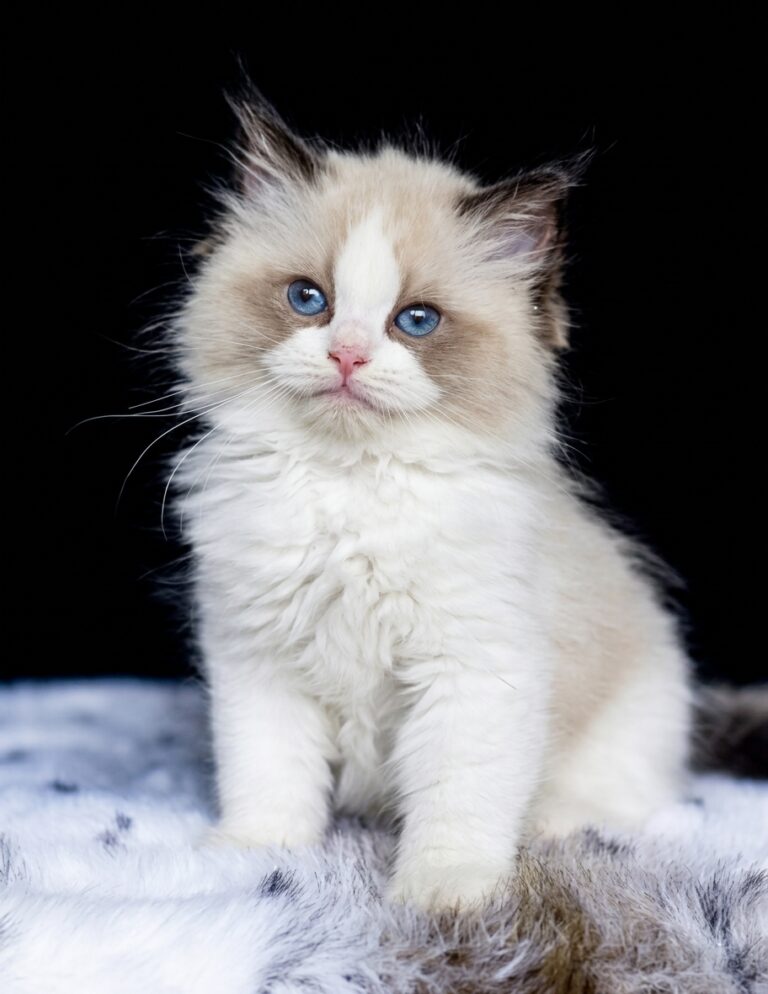
A young Ragdoll may look surprisingly lanky for a while. Their paws and legs can appear large compared with the rest of their body. With time, the body can become more balanced and substantial.
This slow maturation is an important part of understanding the breed. A Ragdoll kitten should not be judged by its appearance at only a few months old.
Ragdoll Cat Growth Stages by Age
Ragdoll development can be easier to understand when broken into broad stages.
Newborn Ragdoll Kittens
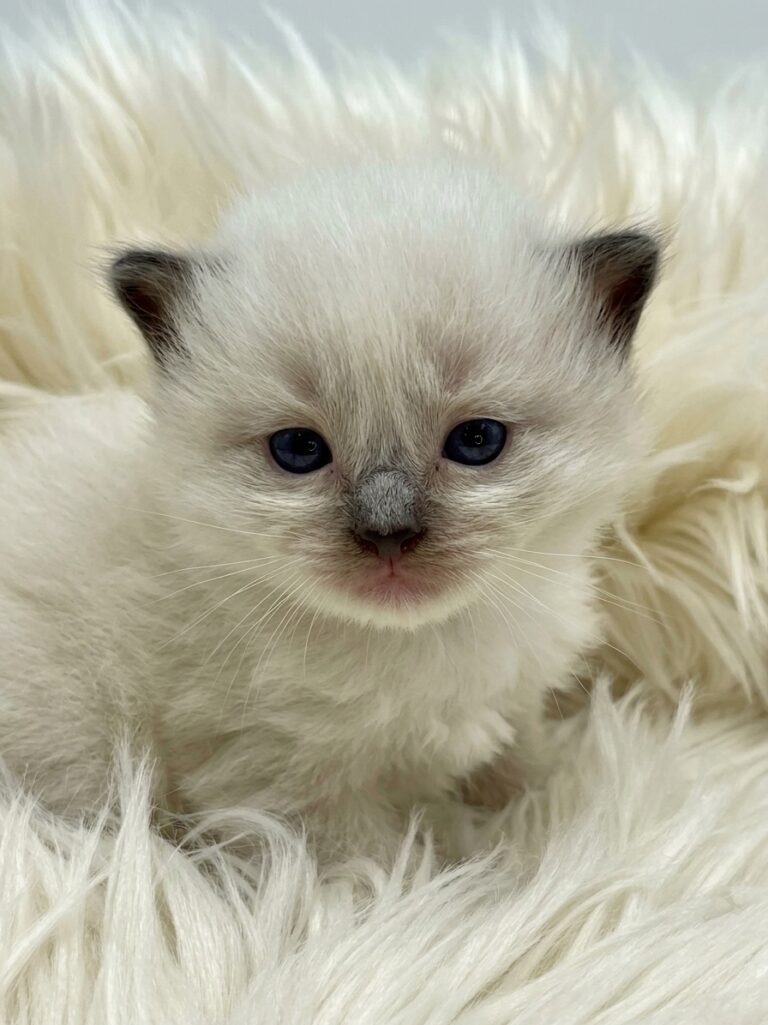
Newborn Ragdoll kittens are tiny compared with the impressive adults they can eventually become. During the first weeks of life, they depend heavily on their mother for nutrition, warmth, and care.
Their growth can be rapid during this period. They gradually become more active and begin exploring their surroundings as their senses and coordination develop.
Ragdolls From Three to Six Months
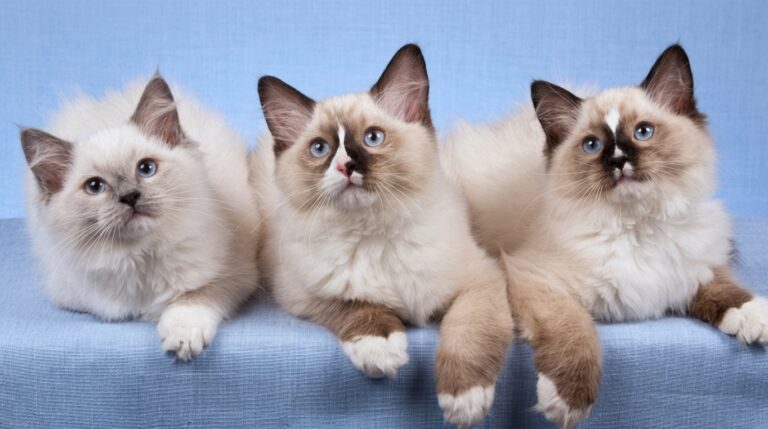
Between three and six months, Ragdoll kittens can experience significant growth. Their legs may become longer, their paws more noticeable, and their bodies more elongated.
At this age, they may still have a distinctly kitten-like appearance. They are growing rapidly but are nowhere near their final adult proportions.
Ragdolls From Six to Twelve Months
During the second half of the first year, a Ragdoll may continue growing in length and overall size.
Some young Ragdolls look slim or slightly awkward during this stage. This is not necessarily a concern. Their bodies are still developing, and their adult shape has not fully appeared.
Ragdolls From One to Two Years
After the first birthday, growth usually becomes less dramatic, but development continues.
The cat may gradually gain more body mass and develop a more mature appearance. Males in particular can take considerable time to develop their full size.
Ragdolls From Two to Four Years
This is when many Ragdolls continue to mature into the large, substantial cats associated with the breed.
Their body can become broader, their muscles more developed, and their overall proportions more adult-like. Some cats may reach their mature size earlier, while others take longer.
Why Are Ragdoll Cats So Large?
Ragdolls have been selectively bred for particular physical characteristics, including their substantial body structure.
Their large bone structure gives them a solid foundation. They also have long bodies, strong legs, broad chests, and relatively large paws.
Genetics plays a major role as well. A kitten’s parents can provide clues about its potential adult size, although there is no guarantee that a kitten will grow to exactly the same size as either parent.
Their coat also contributes to their visual size. Ragdolls have a soft, semi-long coat that can create additional volume around the body.
Together, these characteristics give the breed its recognizable large and elegant appearance.
Male vs. Female Ragdoll Cat Size
The difference between male and female Ragdolls is one of the more noticeable aspects of their size.
Males generally develop larger frames and greater body weight. Their shoulders, chest, paws, and overall body can appear especially substantial.
Females are typically smaller, but they are still considered large compared with many ordinary domestic cats.
There can be considerable overlap between the sexes. A smaller male may weigh less than a particularly large female, for instance. Individual genetics are more important than simply looking at sex alone.
The best way to understand a Ragdoll’s healthy size is to consider the whole cat rather than focusing on one number.
Does a Ragdoll Cat’s Coat Make It Look Bigger?
Absolutely. A Ragdoll’s coat can have a significant effect on its appearance.
The breed has a medium-to-long coat with a soft texture. Fur around the neck, chest, legs, and tail can create a fluffy outline that makes the cat look larger.
This is particularly noticeable when the cat is sitting upright. The chest and tail can appear extremely full, giving the impression of an even larger body underneath.
However, fur does not necessarily mean extra body mass. A heavily coated Ragdoll can look much bigger than its actual measurements suggest.
This is why judging a cat’s weight simply by looking at it can be misleading.
What Factors Affect Ragdoll Cat Growth?
Ragdoll size is influenced by several factors, and genetics is only one part of the story.
Genetics
Genetics strongly influences a cat’s body structure, growth rate, and eventual adult size.
Parents from larger lines may produce kittens with the potential for larger frames. However, genetics is complex, so siblings can still end up with different body sizes.
Not necessarily. A bigger Ragdoll cat is not automatically a healthier Ragdoll cat. Because this breed is naturally known for having a large body, it can be easy to assume that a heavier or larger cat is healthier. However, healthy development is about having the right body condition for an individual cat rather than simply reaching the highest possible weight. The Cornell Feline Health Center provides helpful educational information about feline health and responsible cat care.
Good nutrition provides the building blocks needed for normal growth and development.
Growing kittens have different nutritional needs from mature cats, so their food should be appropriate for their life stage. Portion sizes should also be considered carefully.
Overfeeding does not make a kitten develop into a healthier large adult. Instead, excessive calorie intake can contribute to unnecessary body fat.
Exercise and Activity
Ragdolls are often described as relaxed cats, but they still benefit from regular movement and play.
Interactive toys, climbing opportunities, gentle games, and exploration can help keep them active. Regular activity also supports muscle development and healthy body composition.
Overall Health
Health conditions can sometimes influence growth, appetite, weight, or development.
Regular veterinary care can help monitor a kitten’s progress and identify potential concerns early. A veterinarian can also evaluate whether a cat’s body condition is appropriate for its size and age.
Age and Development
A Ragdoll’s age must always be considered when discussing size.
A six-month-old Ragdoll and a four-year-old Ragdoll are at very different stages of development. Comparing their weights without considering age can create an inaccurate impression.
How to Support Healthy Ragdoll Growth
Supporting healthy growth does not mean trying to make a Ragdoll as large as possible. The goal should be steady, appropriate development.
A high-quality diet suitable for the cat’s age can provide essential nutrients. Kittens need food designed for growth, while adult cats generally need nutrition formulated for maintenance.
Fresh drinking water should always be available.
Regular play is also valuable. Ragdolls may have calm personalities, but they still need opportunities to move, explore, and engage their natural curiosity.
Routine veterinary visits can help track weight and body condition over time. This is especially useful during kittenhood, when changes can happen quickly.
It is also helpful to avoid judging your Ragdoll against photographs of exceptionally large cats online. Social media often highlights unusual examples, while ordinary healthy Ragdolls may look considerably different.
How Big Is a Ragdoll Compared With Other Cat Breeds?
Ragdolls are generally considered a large domestic cat breed.
Many typical house cats have a more moderate body size, while Ragdolls tend to have longer bodies and heavier frames.
Their size is somewhat similar to other large breeds in the sense that they can be noticeably bigger than the average cat. However, every breed has its own body structure.
For example, one breed may be tall and lean, while another may be broad and muscular. Ragdolls combine a substantial frame with a long, elegant body and a full coat.
This combination gives them a distinctive appearance that is easy to recognize.
Is a Bigger Ragdoll Cat Always Healthier?
Not necessarily. A bigger Ragdoll cat is not automatically a healthier Ragdoll cat. Because this breed is naturally known for having a large body, it can be easy to assume that a heavier or larger cat is healthier. However, healthy development is about having the right body condition for an individual cat rather than simply reaching the highest possible weight.
Ragdolls naturally have a substantial bone structure, long bodies, broad chests, and large paws. Some individuals may grow into particularly large adults, while others may remain somewhat smaller. Both can be completely normal. Genetics plays an important role in determining a cat’s eventual size, so comparing one Ragdoll with another is not always useful.
Age is another important factor to consider. Ragdolls mature more slowly than many other cats and can continue developing for several years. A young Ragdoll may appear slim, lanky, or less muscular before gradually filling out as it matures. This does not necessarily mean that the kitten needs extra food to become larger.
Nutrition also has a major influence on healthy growth. Growing kittens need appropriate nutrition to support their developing bones, muscles, and organs, but giving them excessive amounts of food will not necessarily make them develop into healthier adults. Instead, unnecessary calorie intake can contribute to excess body fat.
Regular activity is equally important. Even though Ragdolls are often calm and relaxed, they still benefit from play, movement, climbing, and exploration. Keeping them active can support muscle development and help maintain a healthy body condition throughout adulthood.
Owners should also pay attention to changes rather than focusing only on a specific number on the scale. A sudden increase or decrease in weight, noticeable changes in appetite, reduced activity, or other unusual behavior may deserve attention. Regular veterinary checkups can help monitor growth and body condition and provide personalized guidance.
Ultimately, the goal should not be to make a Ragdoll as large as possible. The goal is to help the cat develop naturally and maintain a healthy body condition throughout every stage of life.
Why Does My Ragdoll Look Smaller Than Other Ragdolls?
Two healthy Ragdolls can look noticeably different.
Genetics can produce variation in body size, bone structure, coat density, and growth rate. One cat may mature earlier, while another may continue developing for longer.
Age is another major factor. A young Ragdoll may look considerably smaller than a fully mature adult.
Coat density can also change your perception. A Ragdoll with a thick, fluffy coat may appear much larger than a cat with a less voluminous coat.
Rather than worrying about comparisons, pay attention to your cat’s own growth pattern. A veterinarian can help determine whether the cat is developing appropriately.
FAQs
How big do Ragdoll cats get?
Ragdolls are large domestic cats. Adult males commonly weigh around 15 to 20 pounds, while females often weigh around 10 to 15 pounds. Individual cats can naturally fall outside these ranges.
Are Ragdoll cats bigger than normal cats?
Ragdolls are generally larger than many average domestic cats. Their long bodies, substantial bone structure, large paws, and fluffy coats contribute to their impressive appearance.
At what age do Ragdoll cats stop growing?
Ragdolls mature relatively slowly. Many continue developing and filling out until around three or four years of age, although the exact growth pattern varies between individuals.
How much should a full-grown Ragdoll cat weigh?
There is no single ideal weight for every adult Ragdoll. Many males fall around 15 to 20 pounds and many females around 10 to 15 pounds, but healthy individual variation is normal.
Do male Ragdolls grow bigger than females?
Generally, yes. Male Ragdolls tend to have larger and heavier frames than females. However, individual cats can vary considerably.
Can Ragdoll cats become overweight?
Yes. Like other cats, Ragdolls can gain excess body fat if calorie intake consistently exceeds their needs. Appropriate portions, regular activity, and veterinary guidance can help maintain a healthy body condition.
Why does my Ragdoll look so big?
A Ragdoll’s large bone structure, long body, fluffy coat, broad chest, and full tail can all contribute to its impressive appearance. Fur can make the cat look larger than its actual body measurements.
Do all Ragdoll cats become huge?
No. Ragdolls are generally a large breed, but not every individual becomes exceptionally large. Genetics, sex, age, nutrition, and individual development all influence final size.
Can I tell how big my Ragdoll kitten will become?
You can get some clues from the kitten’s parents, current growth pattern, and overall structure, but there is no perfect way to predict an exact adult size. Ragdolls mature slowly, so their appearance can change considerably over several years.
Final Thoughts
Ragdoll cats are famous for their impressive size, but their charm goes far beyond the number on a scale. Their long bodies, substantial frames, beautiful coats, large paws, and fluffy tails give them a distinctive presence that makes them stand out among domestic cat breeds. Male Ragdolls generally grow larger than females, while individual cats can vary significantly because of genetics, age, nutrition, and overall development.
One of the most important things to remember is that Ragdolls are slow-growing cats. A kitten may look surprisingly small or lanky during its early years before gradually developing the fuller body associated with a mature adult. Some continue filling out until around three or four years old.
If you share your home with a Ragdoll, focus on healthy development rather than trying to achieve a particular weight. Appropriate nutrition, regular activity, fresh water, routine veterinary care, and plenty of affection can help your cat thrive. Whether your Ragdoll becomes especially large or simply reaches a moderate size, its individual personality and healthy body condition are far more meaningful than a number on the scale.