How Expensive Are Ragdoll Cats? Surprising Costs Explained
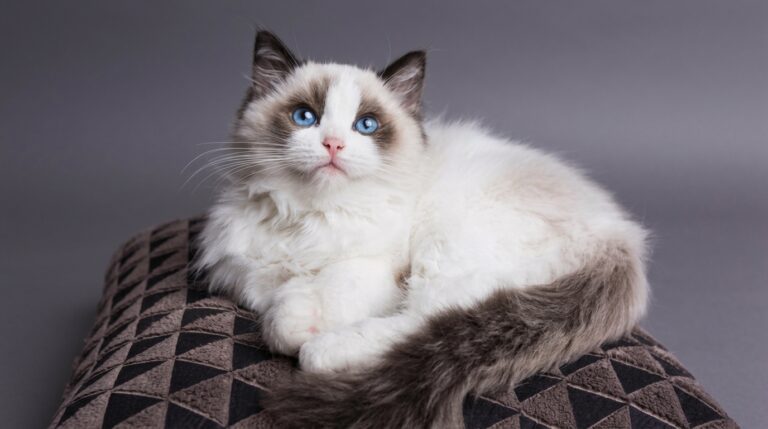
Ragdoll cats are known for their beautiful blue eyes, soft semi-long coats, gentle personalities, and large size. They are one of the most recognizable cat breeds, and their affectionate nature has made them especially popular among people looking for a calm and friendly companion. However, before bringing one home, many future owners naturally ask an important question: how expensive are Ragdoll cats? The answer depends on much more than the initial price of a kitten. The total cost can include the purchase price, food, veterinary care, grooming, litter, toys, supplies, insurance, and unexpected medical expenses.
A Ragdoll cat can represent a significant financial commitment over its lifetime. The initial purchase price may be the largest expense at the beginning, but everyday ownership costs continue for many years. Because Ragdolls are a relatively large breed, they may also require more food and appropriately sized equipment than a smaller cat. Their long, silky coat needs regular maintenance, while responsible owners should also budget for routine veterinary visits and preventive healthcare.
Understanding the full cost of Ragdoll ownership can help you make a realistic decision before adopting or purchasing one. Prices vary considerably depending on location, breeder, pedigree, age, health status, and whether the cat is intended as a pet or for breeding or showing. Ongoing costs also differ from household to household. By looking at each major expense separately, it becomes much easier to understand what owning a Ragdoll cat may involve financially.
How Expensive Are Ragdoll Cats?
When people search for how expensive are Ragdoll cats, they are often thinking about the price of buying a kitten. A Ragdoll kitten from a reputable breeder can cost substantially more than an ordinary domestic cat. The price may depend on pedigree, bloodline, coat characteristics, breeder reputation, location, registration, health screening, vaccinations, and the amount of care provided before the kitten goes to its new home.
Pet-quality Ragdoll kittens are generally less expensive than cats specifically bred for showing or breeding. Show-quality cats may have characteristics that closely match breed standards and may come from carefully selected bloodlines. Breeding rights can also increase the purchase price because a breeding-quality cat represents a different investment for the buyer and breeder.
The price of an adult Ragdoll can be different from that of a young kitten. Retired breeding cats, adult cats, and rescue Ragdolls may sometimes have lower adoption or purchase fees. However, a lower initial price does not automatically mean lower total ownership costs. An older cat may have different nutritional, veterinary, or healthcare requirements that should be considered.
The most important point is that the purchase price is only the beginning. A person who can afford the kitten but cannot comfortably cover food, litter, veterinary care, grooming, and emergency expenses may find Ragdoll ownership difficult later. A responsible budget should therefore consider both the initial cost and the recurring cost of caring for the cat.
1. Ragdoll Kitten Purchase Price
The first major expense is the price of the Ragdoll kitten itself. Reputable breeders generally invest considerable time and money into maintaining healthy breeding programs. Their expenses can include veterinary examinations, genetic health testing, vaccinations, quality food, housing, registration, breeding management, and early socialization. These costs are reflected in the price buyers pay for kittens.
The price can vary significantly from one breeder to another. Location is one factor because veterinary services, housing, food, and general operating expenses differ between regions. Demand for Ragdoll kittens can also influence prices. Highly established breeders with strong reputations may have waiting lists and may charge more because their breeding programs involve careful planning and health screening.
Pedigree is another important factor. A kitten with documented ancestry from recognized bloodlines may command a higher price than a cat without pedigree documentation. The intended purpose of the cat can also affect pricing. A kitten sold strictly as a companion may have different terms and pricing from one sold with breeding rights or show potential.
Responsible buyers should pay attention to what is included in the purchase price rather than focusing only on the number attached to the kitten. Some breeders include initial vaccinations, veterinary examinations, microchipping, registration documents, health guarantees, and early parasite prevention. When these services are already provided, the higher purchase price may reflect additional care received before the kitten reaches its new home.
A very low price can also deserve careful consideration. The cheapest available kitten is not necessarily the most economical choice in the long term. Poor breeding practices, inadequate veterinary care, weak socialization, or undisclosed health concerns can result in significant expenses later. Researching the breeder and asking clear questions about health testing and kitten care is an important part of responsible purchasing.
2. Adoption and Rescue Costs
Not every Ragdoll needs to be purchased directly from a breeder. Some Ragdolls become available through shelters, rescue organizations, breed-specific rescues, or private rehoming situations. Adoption can provide an opportunity to give an adult or previously owned cat a new home while potentially reducing the initial acquisition cost.
Adoption fees vary depending on the organization and the services already provided. A rescue organization may use the adoption fee to help cover veterinary examinations, vaccinations, sterilization, parasite treatment, microchipping, food, temporary housing, and other care. Therefore, an adoption fee should not be viewed simply as the price of the cat itself.
Adult Ragdolls may also be available through breeders who retire cats from breeding programs. These cats can already be accustomed to household life and may have completed many early veterinary procedures. Their personalities are also more established, which can make it easier for a prospective owner to understand their temperament before adoption.
However, adopting a Ragdoll does not mean the cat will necessarily be inexpensive to maintain. The cat still needs nutritious food, litter, veterinary care, grooming, enrichment, and a safe environment. Some rescue cats may arrive with previous health problems or emotional needs that require additional attention.
The adoption route can be particularly appealing to people who are more interested in providing a loving home than obtaining a young kitten. Whether buying from a breeder or adopting from a rescue, the most important consideration is the long-term ability to provide responsible care.
3. Food Costs for Ragdoll Cats
Food is one of the most consistent expenses of cat ownership. Ragdolls are known for being a large breed, and their nutritional requirements should be considered when creating a household budget. A healthy diet supports normal growth, muscle maintenance, healthy skin, and a well-maintained coat.
The amount a Ragdoll eats can depend on age, size, activity level, metabolism, health status, and the type of food provided. Kittens generally have different nutritional requirements from adults, while senior cats may require diets appropriate for changing nutritional needs. Veterinary recommendations can be especially useful when a cat develops a health condition that requires dietary management.
The type of food can also affect monthly spending. Dry food may be convenient and economical, while wet food can contribute additional moisture to the diet. Some owners use a combination of food types. Premium diets can cost more, but price alone does not determine nutritional quality. Choosing a complete and balanced diet appropriate for the cat’s life stage is more important than simply choosing the most expensive product.
Because Ragdolls can live for many years, food becomes a substantial long-term expense. A small difference in monthly food spending can become significant when multiplied across many years. Owners should therefore choose a diet they can consistently afford while meeting their cat’s nutritional needs.
Treats should also be included in the food budget. Although treats are usually a relatively small expense, frequent use can increase monthly costs and contribute unnecessary calories. Treats should remain a modest part of the overall diet.
4. Veterinary and Health Care Expenses
Veterinary care is one of the most important parts of responsible Ragdoll ownership. Routine examinations allow a veterinarian to monitor weight, dental health, skin, coat, eyes, ears, and general condition. Regular healthcare can also help identify potential problems before they become more serious.
Vaccinations and preventive treatments may represent recurring expenses. Depending on the cat’s lifestyle and local veterinary recommendations, preventive care can include vaccinations, parasite prevention, dental care, and routine screening. The exact schedule and cost vary by location and individual health needs.
Spaying or neutering is another cost that should be considered if it has not already been performed. Responsible breeders commonly have specific agreements regarding sterilization, while adopted cats may already have the procedure completed. If not, the owner should discuss appropriate timing and cost with a veterinarian.
Unexpected veterinary expenses are much harder to predict. A cat can become injured or develop an illness requiring diagnostic tests, medication, hospitalization, or specialized treatment. These costs can sometimes be much higher than routine veterinary expenses.
Because of this uncertainty, an emergency fund can be an important part of the Ragdoll ownership budget. Setting aside money specifically for unexpected veterinary needs can reduce financial stress when an urgent situation occurs.
Pet insurance is another possible approach. Insurance policies differ in coverage, exclusions, deductibles, reimbursement levels, and monthly premiums. Anyone considering insurance should carefully review the policy before purchasing it because not every condition or treatment will necessarily be covered.
5. Grooming Costs
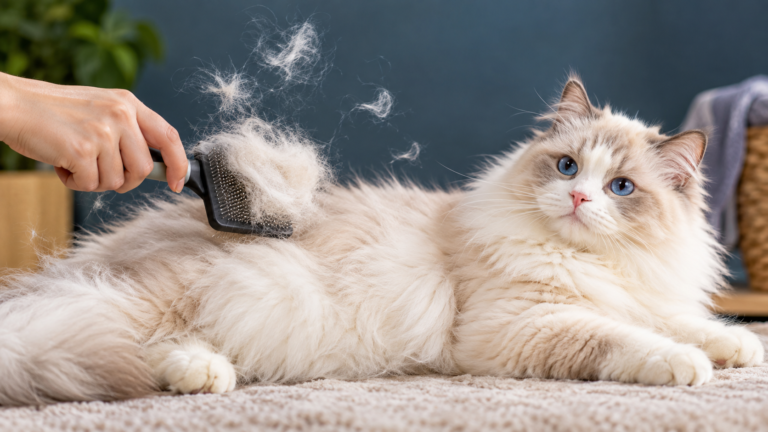
Ragdoll cats have a distinctive semi-long coat that contributes greatly to their appearance. Their fur is generally soft and silky, but it still requires regular maintenance. Grooming helps reduce loose hair, prevent mats, and keep the coat looking healthy.
Many Ragdoll owners can manage routine grooming at home. A suitable brush or comb is a relatively small initial investment compared with professional grooming. Regular brushing can also help owners become familiar with their cat’s skin and coat, making it easier to notice unusual lumps, irritation, parasites, or other changes.
Professional grooming is optional for many healthy Ragdolls, but some owners choose it for convenience or when their cat develops difficult mats. Professional grooming costs vary depending on location, coat condition, service type, and the groomer’s experience with cats.
Grooming expenses can also increase when a cat is not brushed regularly. Mats can become uncomfortable and difficult to remove, sometimes requiring professional assistance. Establishing a consistent grooming routine from an early age can make coat care easier for both the cat and owner.
Dental care should also be considered part of overall grooming and health maintenance. Cats can develop dental problems, and regular dental care may help support oral health. Veterinary dental procedures can become expensive when significant dental disease develops, making preventive care an important consideration.
6. Essential Supplies for a Ragdoll Cat
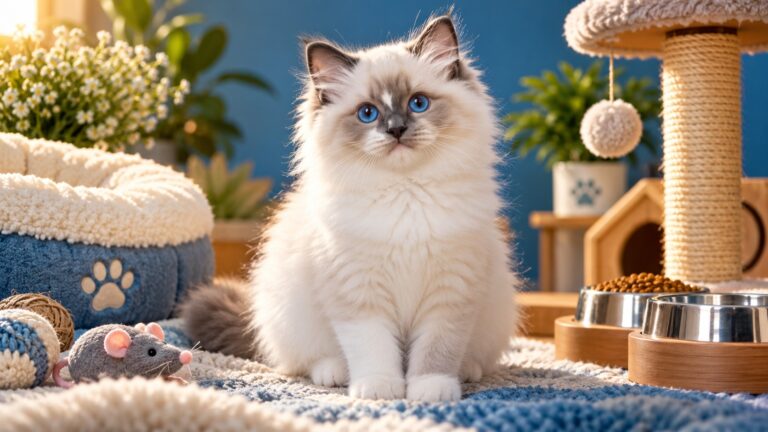
The initial setup for a Ragdoll involves more than buying the cat. A new owner needs to create a comfortable and safe environment. Essential supplies can include food and water bowls, litter boxes, litter, a carrier, scratching surfaces, toys, bedding, grooming tools, and appropriate identification.
Because Ragdolls are larger than many domestic cats, owners should pay attention to the size and durability of their equipment. A carrier needs to provide enough space for the cat to sit and turn comfortably. Similarly, litter boxes should be appropriately sized so the cat can use them without feeling cramped.
Scratching posts and climbing structures can provide physical activity and mental stimulation. Ragdolls are generally known for their relaxed personalities, but they still benefit from opportunities to play, explore, stretch, and interact with their surroundings.
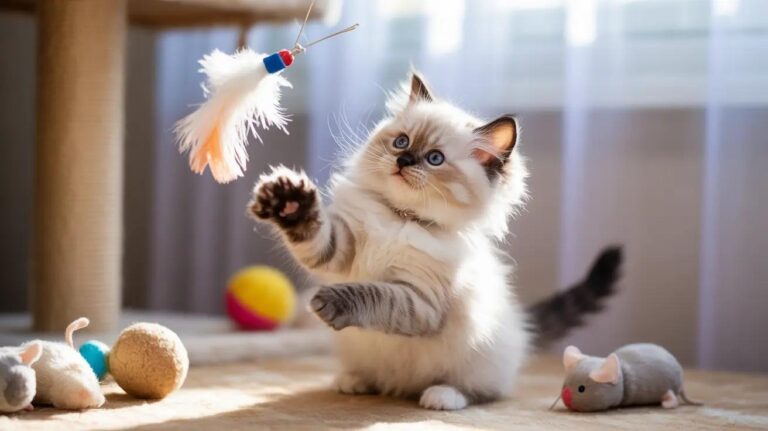
Toys also represent an ongoing but relatively flexible expense. Cats do not necessarily need a large collection of expensive toys. Safe interactive toys, scratching surfaces, and regular human interaction can provide valuable enrichment.
Litter is another recurring cost that owners sometimes underestimate. The monthly amount depends on the number of litter boxes, the type of litter used, the cat’s habits, and how frequently the boxes are cleaned. Maintaining clean litter boxes is important for hygiene and can also encourage appropriate litter box use.
7. Long-Term Cost of Owning a Ragdoll
The long-term cost of owning a Ragdoll is usually much greater than the original purchase price. Food, litter, veterinary care, grooming supplies, toys, replacement equipment, and other household expenses continue throughout the cat’s life.
The total cost can also change as the cat ages. Kittens may require vaccinations, sterilization, early veterinary appointments, and specialized food. Adult cats may have relatively predictable routine expenses. Senior cats can sometimes require more frequent veterinary monitoring, specialized diets, medications, or additional healthcare.
The lifespan of a cat means that even moderate monthly expenses can accumulate over many years. This is why potential owners should think beyond the first year. A realistic financial plan should consider both predictable costs and unexpected events.
Travel can introduce another expense. Owners who travel may need to arrange pet sitters, boarding, or other forms of care. These costs vary greatly depending on the length of travel and the type of service chosen.
Moving homes can also create expenses. A Ragdoll needs a safe environment during transportation and may require new equipment after moving. Although these costs are not monthly expenses, they are worth remembering when considering the overall financial commitment.
What Makes Ragdoll Cats So Expensive?
Several factors can contribute to the relatively high cost of Ragdoll cats. Responsible breeding is one of the most important. Breeders who prioritize health and temperament must invest in appropriate breeding cats, veterinary care, testing, nutrition, housing, and kitten care.
Pedigree is another factor. Cats from established bloodlines can carry documented ancestry that has been carefully maintained over generations. Buyers interested in registered or breeding-quality cats may pay more for this documentation and lineage.
Ragdoll cats are also highly recognizable. Their blue eyes, color-pointed coats, large bodies, and gentle reputation have created strong demand in many markets. When demand is high and responsible breeding is limited, prices can increase.
The cost of raising a kitten before sale also contributes to its final price. A responsible breeder may provide veterinary checks, vaccinations, parasite prevention, quality food, socialization, and other care during the kitten’s early development.
However, a high price should not automatically be interpreted as proof of quality. Price is only one factor. Buyers should investigate health practices, breeder transparency, kitten conditions, documentation, and the overall welfare of the cats.
Are Ragdoll Cats Worth the Cost?
Whether a Ragdoll cat fits someone’s budget depends on individual circumstances. The breed can provide companionship, affection, and a distinctive personality, but those benefits come with a financial and time commitment.
Potential owners should consider whether they can comfortably afford routine expenses without depending on unrealistic assumptions. Food, litter, veterinary care, grooming, and household supplies are not optional parts of responsible ownership.
Time is also important. Ragdolls benefit from social interaction and a stable home environment. Although they are often described as relaxed and affectionate, individual personalities differ. Every cat needs attention, enrichment, appropriate care, and a safe living environment.
A responsible decision therefore involves looking at the complete picture rather than focusing exclusively on the kitten’s purchase price. Someone who plans carefully can have a much clearer understanding of whether a Ragdoll fits their household.
The emotional value of a pet cannot be measured in the same way as a monthly expense. However, affection and companionship should not replace practical financial planning. The healthiest approach is to appreciate the relationship while also accepting the responsibilities that come with caring for another living animal.
How to Budget for a Ragdoll Cat
Creating a Ragdoll budget can make ownership easier to manage. Start by separating one-time expenses from recurring expenses. One-time expenses can include the initial purchase or adoption fee, carrier, litter boxes, scratching equipment, grooming tools, and other basic supplies.
Recurring expenses can include food, litter, preventive veterinary care, grooming supplies, toys, and other replacement items. These should be estimated on a monthly and annual basis so the owner can understand the broader financial commitment.
An emergency fund should be treated separately from routine spending. Routine expenses are predictable, while emergencies are not. Having dedicated savings can help cover unexpected veterinary treatment without disrupting other household finances.
It is also useful to review the budget periodically. Prices for food, litter, veterinary services, and other products can change. A budget that works during the first year may need adjustment later.
Owners should also consider the financial effect of major life changes. Changes in employment, housing, family circumstances, or travel habits can affect the ability to care for a pet. Planning ahead can help ensure that the cat continues to receive proper care even when circumstances change.
How to Reduce Ragdoll Ownership Costs Responsibly
Owning a Ragdoll does not necessarily require spending money on every available pet product. Responsible cost management begins with prioritizing essential needs. Quality nutrition, preventive veterinary care, proper grooming, clean litter facilities, and a safe environment should come before unnecessary accessories.
Learning basic grooming at home can reduce professional grooming expenses when the cat’s coat can be safely maintained by the owner. Regular brushing may also help prevent serious matting that could require professional intervention.
Preventive healthcare can also be financially sensible. Regular examinations and appropriate preventive care may help identify problems earlier. Although veterinary visits have a cost, ignoring health problems can potentially lead to more complicated treatment later.
Buying durable supplies can also reduce replacement costs. A well-made carrier, scratching post, or grooming tool may last longer than a low-quality alternative. However, safety and suitability should always take priority over price.
Food should also be purchased thoughtfully. The cheapest option is not always the most appropriate, while the most expensive option is not automatically the best. Owners should focus on nutritional completeness, life-stage suitability, veterinary guidance when needed, and a diet that can be maintained consistently.
Ragdoll Cat Costs by Life Stage
The financial needs of a Ragdoll can change throughout its life. During kittenhood, expenses can be concentrated around the initial acquisition, vaccinations, veterinary appointments, sterilization, supplies, and appropriate kitten nutrition.
During adulthood, costs may become more predictable. Food, litter, routine veterinary care, grooming, and enrichment become the main ongoing expenses. A healthy adult cat may have relatively stable healthcare needs, although unexpected illness can occur at any age.
Senior Ragdolls may require additional attention. Older cats can experience changes in mobility, dental health, weight, appetite, or general health. Veterinary monitoring may become more important, and some cats may require medications or specialized diets.
Planning for different life stages helps owners avoid assuming that monthly costs will remain identical forever. A flexible budget is more realistic than a fixed figure that ignores the changing needs of an aging cat.
Factors That Can Change the Total Cost
There is no single universal answer to how expensive are Ragdoll cats because several factors can change the total cost. Geographic location is one of the biggest influences. Veterinary fees, food prices, grooming services, breeder prices, and pet supplies vary significantly between regions.
The cat’s health is another major factor. A healthy cat with routine veterinary needs may have relatively predictable expenses, while a cat with chronic health problems can require additional treatment and medication.
The owner’s choices also affect costs. Feeding practices, grooming habits, insurance decisions, travel arrangements, and the type of products purchased can all change the annual budget.
The cat’s age matters as well. Kittens and seniors may have different healthcare requirements from healthy adult cats. Household circumstances can also affect costs when multiple pets are present.
For these reasons, published price estimates should be treated as general guidance rather than guaranteed totals. The most useful budget is one based on local prices and the specific needs of the individual cat.
Ragdoll cats are known for their distinctive appearance, gentle temperament, and large size. If you are considering buying or adopting one, learning about the breed’s recognized characteristics can help you understand what to expect. The Cat Fanciers’ Association provides useful information about Ragdoll breed characteristics and standards, making it a helpful resource for prospective Ragdoll owners.
How to Choose a Responsible Ragdoll Breeder
If you decide to purchase a Ragdoll kitten, choosing the breeder carefully is one of the most important financial and ethical decisions you can make. A responsible breeder should be willing to discuss the health, background, care, and socialization of the kittens.
Potential buyers should ask about veterinary care, vaccinations, health screening, registration, and the conditions in which kittens are raised. Transparency is an important part of responsible breeding.
A breeder should also be interested in the suitability of the home rather than treating the transaction as a simple sale. Questions about your living environment, experience with cats, and ability to provide long-term care can indicate that the breeder takes kitten welfare seriously.
Documentation should be reviewed carefully. Health records, vaccination information, contracts, and pedigree documents should be clear and understandable.
Avoid making a decision based solely on attractive photographs or a low price. A healthy, well-socialized kitten from a responsible breeding program may represent a larger initial investment, but the quality of care provided before adoption is an important part of the overall picture.
The True Cost of a Ragdoll Cat
The true cost of a Ragdoll cat is not represented by one price tag. It is a combination of the initial purchase or adoption cost and years of daily care. Food, litter, veterinary services, grooming, enrichment, equipment, and unexpected expenses all contribute to the overall financial commitment.
The initial price can vary substantially depending on whether the cat comes from a breeder, rescue organization, or private rehoming situation. Pedigree, health screening, age, location, and breeding rights can also affect the amount paid at the beginning.
After the cat comes home, recurring expenses become the more important part of the budget. A responsible owner should be prepared to pay for quality nutrition, regular veterinary care, grooming, clean litter facilities, and a safe and stimulating environment.
Emergency planning is equally important. Even a healthy cat can experience an unexpected injury or illness. Having savings or appropriate insurance can help an owner respond quickly when medical care becomes necessary.
Understanding these costs before bringing a Ragdoll home allows potential owners to make a more informed decision. The goal is not simply to afford the purchase price but to be financially prepared for the entire life of the cat.
FAQ
How expensive are Ragdoll cats?
Ragdoll cats can be relatively expensive compared with many other cat breeds. The initial price depends on factors such as pedigree, breeder reputation, location, age, health care, and whether the cat is intended as a pet, show cat, or breeding cat. Ongoing expenses for food, litter, veterinary care, grooming, and supplies also contribute to the total cost.
How much does a Ragdoll kitten usually cost?
The price of a Ragdoll kitten varies considerably depending on the breeder, bloodline, location, pedigree, and included veterinary care. Pet-quality kittens are generally priced differently from show-quality or breeding-quality cats. Buyers should consider the breeder’s health practices and documentation rather than choosing a kitten based only on price.
Are Ragdoll cats more expensive to maintain?
Ragdolls can cost more to maintain because they are a large breed and have a semi-long coat. Their owners need to budget for appropriate food, regular grooming, litter, veterinary care, and suitably sized equipment. Individual costs vary depending on the cat’s health and the owner’s choices.
Why are Ragdoll cats so expensive?
Ragdoll cats can have higher prices because responsible breeders invest in health screening, veterinary care, nutrition, socialization, breeding management, and pedigree development. Demand for the breed and characteristics such as appearance and temperament can also influence prices.
Are Ragdoll cats expensive to feed?
Food is an ongoing expense for Ragdoll owners. Because Ragdolls are a relatively large breed, their food requirements may be greater than those of smaller cats. The monthly cost depends on the cat’s age, size, health, activity level, and the type and quality of food provided.
Do Ragdoll cats need expensive grooming?
Ragdolls need regular coat maintenance, but professional grooming is not always necessary. Many owners can manage routine brushing at home with suitable grooming tools. Professional grooming may become an additional expense if the coat develops difficult mats or the owner prefers professional care.
Is it cheaper to adopt a Ragdoll cat?
Adoption can sometimes have a lower initial cost than purchasing a Ragdoll kitten from a breeder. However, adoption fees vary by organization and may include services such as veterinary examinations, vaccinations, sterilization, and parasite treatment. Long-term ownership expenses still need to be considered.
Are Ragdoll cats worth the money?
The answer depends on an individual’s budget, lifestyle, and ability to provide long-term care. Ragdoll ownership involves more than the initial purchase price, including food, veterinary care, grooming, litter, supplies, and unexpected expenses. Prospective owners should consider the complete financial commitment before bringing one home.
Final Thoughts
So, how expensive are Ragdoll cats? The answer depends on many factors, and the purchase price is only one part of the equation. Ragdoll kittens can carry a substantial initial cost, particularly when they come from responsible breeders with documented pedigrees and comprehensive early care. Adoption can provide another path, with costs varying according to the organization and services provided.
The ongoing expenses are equally important. Food, litter, veterinary care, grooming, toys, supplies, and emergency treatment can add up over the years. Because Ragdolls are a long-term commitment, prospective owners should create a realistic budget that considers both predictable and unexpected expenses.
A Ragdoll cat can become a beloved member of a household, but responsible ownership requires more than affection. It requires planning, time, patience, appropriate healthcare, and financial preparation. Understanding the seven major cost areas can help potential owners approach the decision with realistic expectations.
Before bringing a Ragdoll home, research local prices, investigate breeders or rescue organizations carefully, estimate recurring expenses, and create an emergency fund. With thoughtful preparation, you can understand the financial responsibilities involved and provide your Ragdoll with the consistent care it needs throughout its life.